




Pizza Cutter Manufacturer: Practical Sourcing Guide for Wholesale Buyers
Choosing a pizza cutter manufacturer is not only about finding a low unit price. For restaurant suppliers, kitchenware retailers, promotional product buyers, and distributors, the right supplier should help you source a pizza cutter that cuts cleanly, feels safe in the hand, stores easily, and fits your target market. A simple kitchen tool can still create customer complaints if the blade dulls quickly, the handle feels uncomfortable, or the packaging does not protect the item during transit.
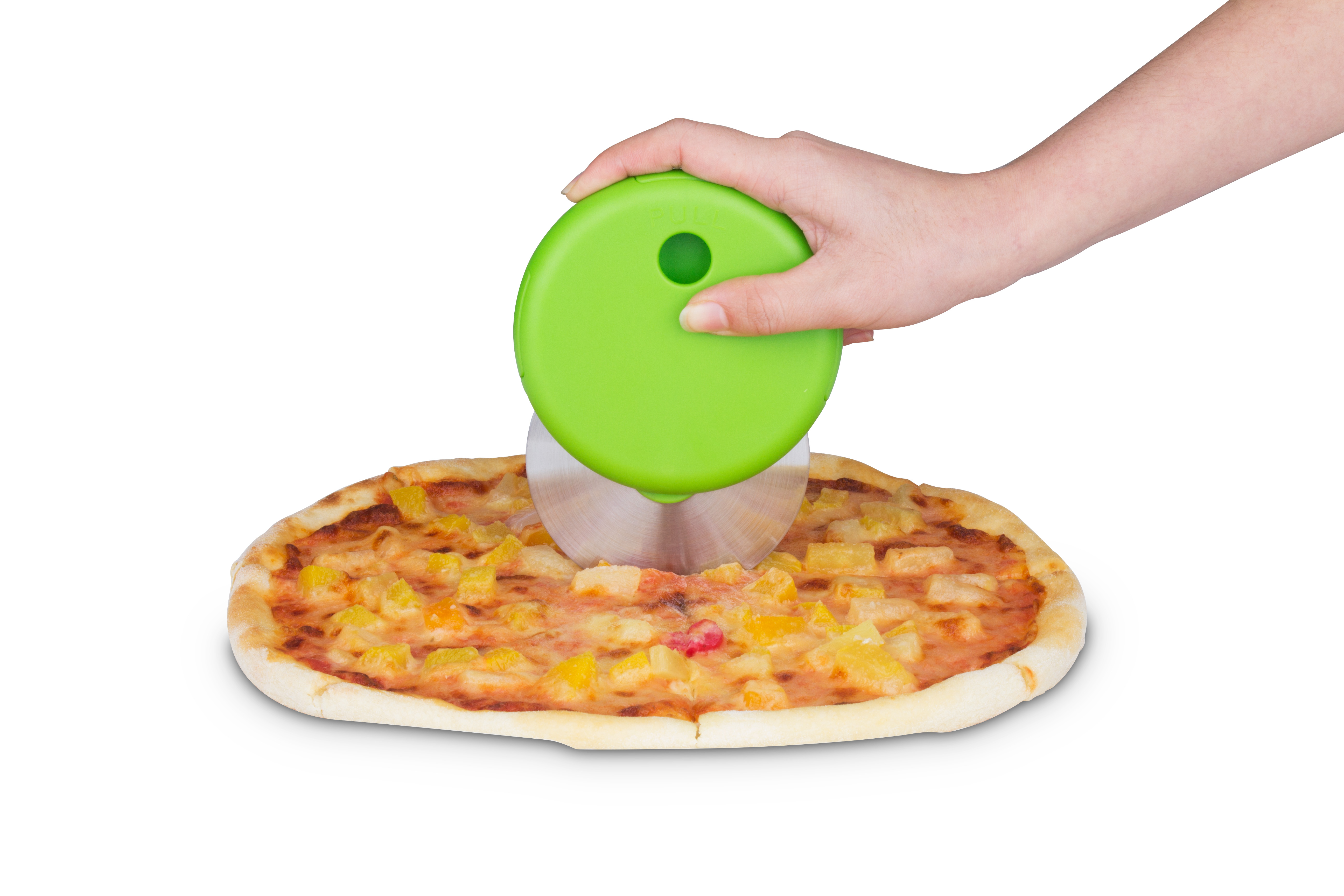
The original Bonet Houseware article introduced the idea of working with a pizza cutter manufacturer and highlighted the Pizza Cutter Master, described as a compact circular pizza cutter with a vibrant green ergonomic handle and stainless steel blade. This rewritten guide expands that topic into practical sourcing advice for B2B buyers who need to evaluate products, compare suppliers, and ask the right commercial and quality questions before placing a wholesale or OEM order.
Key Takeaways
- A pizza cutter should be assessed for cutting performance, grip comfort, blade alignment, cleaning convenience, and packaging strength.
- Wholesale buyers should request samples before confirming bulk orders, especially when sourcing for retail or foodservice channels.
- Do not rely only on product photos; ask about blade material, handle material, assembly method, packaging options, and quality inspection steps.
- For OEM or private label projects, confirm branding, color, packaging, lead time, order quantity, and artwork requirements directly with the supplier.
What Buyers Should Expect from a Pizza Cutter Manufacturer
A capable pizza cutter manufacturer should understand both product function and commercial sourcing needs. For end users, the tool must move through pizza crust without dragging toppings across the surface. For buyers, the product must also be consistent across batches, easy to pack, and suitable for the selling channel.
When evaluating a supplier, ask for clear product details rather than broad claims. Useful information may include blade diameter, blade thickness, handle material, item weight, packaging format, carton size, and whether the product is available for private label. If these details are not listed, treat them as questions to confirm rather than assumptions.
For a product like the Pizza Cutter Master, the original description notes a stainless steel blade, a vibrant green ergonomic handle, and a space-saving circular design. These are relevant selling points, but buyers should still request a sample to confirm the grip, cutting feel, and durability under normal use.
Product Selection: Wheel Cutter, Rocker, or Compact Circular Design?
Pizza cutters are available in several common formats. The best option depends on the customer group. A restaurant may prefer a larger, easy-to-clean cutter for frequent use, while a retail customer may value compact storage and attractive shelf presentation. Promotional buyers may focus on color, branding area, and packaging.
| Pizza cutter type | Best suited for | Buyer checks |
|---|---|---|
| Traditional wheel cutter | Restaurants, home kitchens, general retail | Blade sharpness, handle comfort, wheel stability, guard design |
| Rocker-style cutter | Foodservice kitchens and pizza preparation areas | Blade length, storage safety, cleaning process, packaging size |
| Compact circular cutter | Retail, gifting, small kitchens, online sales | Grip feel, blade exposure, storage design, customer instructions |
| Private label cutter | Retail brands, distributors, promotional programs | Logo method, packaging artwork, color options, sample approval |
The Pizza Cutter Master falls into the compact circular style based on the original description. Its smaller footprint may appeal to buyers serving households with limited drawer space, online retail customers, or kitchenware stores looking for a visually distinctive product. However, buyers should check whether the design suits their market’s safety expectations and cleaning preferences.
How to Assess Blade, Handle, and Cutting Performance
The blade is the most important functional part of any pizza cutter. The original article describes the Pizza Cutter Master as having a stainless steel blade. That is a useful starting point, but buyers should ask the supplier to specify the exact material details if needed for their purchasing standards. Also ask how the blade is sharpened, whether the wheel rotates smoothly, and how the blade is protected during packing and shipping.
The handle affects user comfort and perceived quality. A handle described as ergonomic should feel secure during downward pressure and forward movement. For a compact circular cutter, buyers should check how the fingers sit on the grip and whether the hand remains safely away from the cutting edge during use.
Sample testing does not need to be complicated. Use a consistent test method: cut a thin-crust pizza, a thick-crust pizza, and a slice with heavier toppings. Observe whether the cutter rolls smoothly, whether toppings shift, and whether the user needs excessive pressure. After cleaning, check whether water remains trapped in joints or hidden spaces.
Wholesale and OEM Questions to Ask Before Ordering
Bulk sourcing requires more than approving a product photo. Before placing a wholesale order, ask the pizza cutter supplier questions that affect cost, delivery, branding, and customer satisfaction. Commercial details can vary by project, so they should be confirmed directly instead of assumed.
- What is the current product specification, including blade material, handle material, size, and weight?
- Is the item available in the shown green handle only, or can colors be customized?
- What packaging options are available for retail, e-commerce, foodservice, or bulk distribution?
- Can the product or packaging support OEM branding or private label artwork?
- What is the minimum order quantity for standard and customized versions?
- What is the sample process, sample cost, and typical sample preparation time?
- What quality checks are performed before shipment?
- How are cartons packed to protect the blade and handle during international transport?
- What product documentation, if any, can be provided for the destination market?
- How are defects, shortages, or shipping damage handled after delivery?
These questions are especially important for importers and distributors because small specification differences can affect retail positioning, customs documentation, and after-sales service.
Quality Control Points for a Pizza Slicer Factory
When discussing production with a pizza slicer factory, focus on measurable inspection points. A reliable inspection plan may include visual checks, blade rotation checks, handle assembly checks, packaging checks, and carton drop considerations. If you have your own inspection standard, share it early so the supplier can confirm whether it is practical for the product.
For pizza cutters, common quality concerns include uneven blade movement, loose parts, sharp burrs, handle cracks, inconsistent color, poor logo printing, weak blister cards, or damaged packaging corners. Buyers sourcing for retail should pay close attention to display packaging because even a functional cutter can be difficult to sell if the retail pack arrives crushed or scratched.
If the supplier makes claims about materials, testing, or compliance, ask for supporting documents relevant to your market. Requirements can differ by country, sales channel, and use case, so buyers should verify details with the supplier and, when needed, with a qualified compliance professional.
Positioning the Pizza Cutter Master for Retail or Foodservice
The Pizza Cutter Master, as described in the source article, has a stainless steel blade, a vibrant green ergonomic handle, and a circular, space-saving design. These characteristics may make it suitable for retail kitchenware assortments, online product bundles, home pizza kits, or promotional kitchen campaigns. Its compact shape can also be useful where storage space is a concern.
For foodservice buyers, the key question is whether the cutter can handle repeated use and cleaning routines. For retail buyers, the key questions are packaging presentation, customer instructions, color consistency, and perceived value. For OEM buyers, branding space and packaging design may matter as much as the cutter itself.
Instead of treating one model as suitable for every channel, define your intended buyer first. A pizzeria may have different expectations from a supermarket kitchenware aisle, and an e-commerce customer may care about different details than a restaurant supply distributor.
FAQ: Sourcing Pizza Cutters from a Manufacturer
What should I check first when choosing a pizza cutter manufacturer?
Start with samples. Check cutting performance, blade movement, handle comfort, cleaning convenience, packaging quality, and whether the supplier can answer specification questions clearly.
Is stainless steel always the right blade material?
Stainless steel is commonly used for kitchen blades and is mentioned in the original Pizza Cutter Master description. Buyers should still ask the supplier for the exact material details and confirm whether it fits the intended market.
Can pizza cutters be customized for private label?
Many kitchenware suppliers may offer OEM or packaging customization, but options vary. Ask about logo placement, color choices, packaging artwork, sample approval, MOQ, and lead time.
What packaging is best for wholesale pizza cutters?
It depends on the channel. Retail may need hanging cards or display packaging, e-commerce may need stronger protective packaging, and foodservice may prefer simpler bulk packing. Confirm the packaging with samples before ordering.
How can buyers reduce risk before a bulk order?
Request pre-production samples for customized projects, confirm written specifications, define inspection standards, review packaging, and clarify how quality issues will be handled after shipment.
Final Sourcing Advice
A pizza cutter is a simple product, but sourcing it well requires attention to detail. Buyers should compare more than price: review product design, blade performance, handle comfort, packaging, supplier communication, and customization support. If you are considering a compact model such as the Pizza Cutter Master, use the sample stage to confirm that the green ergonomic handle, stainless steel blade, and circular storage-friendly design match your target customers’ needs. Clear questions and careful sample review are the best starting points for a successful wholesale or OEM pizza cutter project.
