




Popular Tailor Scissors: Precision and Craftsmanship for B2B Buyers
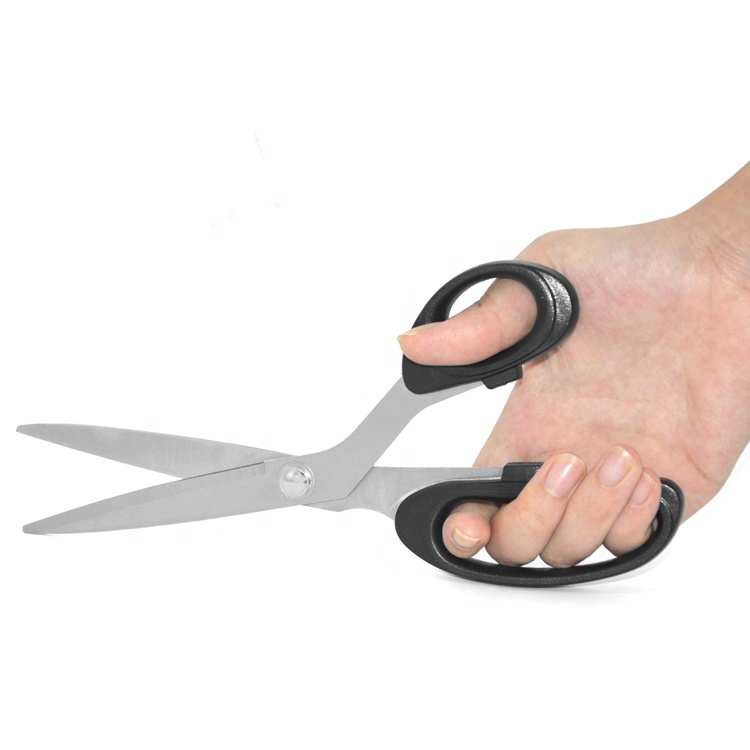
Tailor scissors are everyday production tools for garment workshops, sample rooms, alteration businesses, craft brands, fabric stores, and wholesale distributors. A good pair should cut cleanly, feel controlled in the hand, and remain reliable through repeated fabric-cutting tasks. The original article introduced popular tailor scissors, custom scissors from Yangjiang, fashion scissors, and the PrecisionMax Ergonomic Scissors. This rewritten guide keeps that focus while adding practical sourcing advice for buyers comparing factory, OEM, wholesale, or supplier options.
Because scissors affect both cutting accuracy and operator comfort, B2B buyers should evaluate more than appearance. Sharpness, blade alignment, handle fit, packaging, replacement policy, and consistency across batches all matter. If you are purchasing for resale, private label, or internal workshop use, the right questions can prevent mismatched products and unnecessary returns.
What Makes Tailor Scissors Popular?
Popular tailor scissors usually earn demand because they solve common cutting problems: uneven edges, hand fatigue, fabric snagging, and poor control on long cuts. Tailors and crafters often need scissors that can handle pattern trimming, sample preparation, layered fabric cutting, and detailed shaping. The ideal tool depends on the fabric type, frequency of use, and the skill level of the user.
For B2B sourcing, popularity should not be treated as a vague marketing claim. Ask the supplier which customer segment the scissors are intended for: professional tailoring, school use, home sewing, fashion design studios, craft kits, or retail hardware shelves. A product that works well for light craft use may not be suitable for daily production cutting.
Yangjiang Custom Scissors and Supplier Selection
The original article referenced Yangjiang in connection with custom scissors and fashion scissors. Yangjiang is widely associated with cutting tools, and many buyers look there when exploring scissors for OEM, wholesale, or customized packaging projects. However, location alone is not enough to qualify a supplier. Buyers should verify production scope, quality-control steps, communication speed, and the supplier's ability to support repeat orders.
When discussing custom scissors with a Yangjiang supplier, avoid assuming that every detail is included by default. Instead, request confirmation on what can be customized and what requires additional tooling or approval. Typical discussion points include handle color, logo position, blade finish, retail packaging, carton labeling, barcode placement, and instruction inserts. If any feature is important to your market, document it in the purchase specification before sampling.
How to Evaluate Cutting Performance
Cutting performance should be tested with the fabrics your customers actually use. A single paper-cutting test is not enough for tailor scissors. Prepare a small testing plan before approving a sample. Include lightweight cotton, denim or thick woven fabric if relevant, synthetic fabric, lining fabric, and pattern paper. Check whether the scissors start the cut smoothly at the blade tip and whether they maintain a clean cut through the full blade length.
- Check blade alignment by opening and closing the scissors slowly.
- Test the first cut and repeated cuts, not only a single demonstration cut.
- Look for fabric pushing, chewing, snagging, or uneven edges.
- Ask whether the sample represents mass-production quality.
- Record the sample reference number so future orders match the approved item.
If the scissors are intended for resale, include several users in the evaluation. A professional tailor may prefer a heavier or more traditional feel, while craft and classroom users may prioritize easy handling and comfort.
Ergonomics, Comfort, and the PrecisionMax Concept
The original article mentioned the PrecisionMax Ergonomic Scissors as a modern design connected with cutting precision and comfort. Ergonomics matter because scissors are hand tools used repeatedly throughout the day. Handle shape, finger opening size, balance, pivot smoothness, and grip surface can all affect user experience. For professional workshops, comfort is not only a preference; it can influence cutting speed and consistency.
When assessing ergonomic fabric scissors, ask users to perform real cutting motions for several minutes. Short demonstrations can hide pressure points. Pay attention to whether the handle fits different hand sizes, whether the thumb position feels natural, and whether the scissors remain stable during long straight cuts. If you are sourcing for retail, consider whether the product name, packaging, and product description clearly explain the intended use without exaggerating performance claims.
Comparison Checklist for B2B Buyers
| Evaluation Area | What to Check | Questions to Ask the Supplier |
|---|---|---|
| Cutting use | Fabric type, cutting length, detail work, layered cutting | Which fabrics is this model intended to cut? |
| Comfort | Handle fit, opening size, balance, smooth movement | Are alternative handle shapes or sizes available? |
| Customization | Logo, color, packaging, labeling, instructions | What customization options require extra cost or tooling? |
| Batch consistency | Sample-to-order match, inspection criteria, packaging quality | How do you control quality before shipment? |
| Commercial terms | MOQ, lead time, payment terms, after-sales process | What are the current order terms for this model? |
Wholesale and OEM Questions to Confirm Before Ordering
Before placing a bulk order, create a written product specification. This helps both buyer and supplier avoid confusion. Do not rely only on photos or general descriptions such as “high quality” or “professional.” A useful specification can include model reference, intended use, approved sample details, packaging method, carton markings, inspection standard, and contact person for approval.
- Request samples and compare them with your intended retail or workshop use.
- Confirm whether the product image, packaging artwork, and logo placement need approval.
- Ask for current MOQ, lead time, payment terms, and shipping options.
- Clarify how defects, shortages, and mixed cartons will be handled.
- Confirm whether replacement parts, care instructions, or user guidance can be supplied.
For fashion scissors or custom scissors, also ask whether color and finish may vary between production batches. Small differences can matter if the product is sold as part of a branded sewing kit or displayed in retail stores.
Use, Care, and Retail Guidance
Even good tailor scissors perform poorly when misused. If you sell scissors to end users, include simple care guidance on the product page or packaging. Recommend using fabric scissors only for fabric, thread, and pattern materials as intended. Cutting wire, plastic, adhesive tape, or hard packaging may reduce performance. Scissors should be stored dry, kept away from children, and protected from drops that can affect alignment.
For retail listings, describe the target use honestly. A clear product page should explain whether the scissors are suitable for tailoring, sewing, crafting, fashion design, or general fabric cutting. Avoid unsupported claims about material grade, certifications, or test results unless the supplier provides verifiable documents.
Key Takeaways
- Popular tailor scissors should be judged by real fabric-cutting performance, not only appearance.
- Yangjiang custom scissors can be a useful sourcing direction, but buyers still need supplier verification.
- Ergonomic design should be tested by actual users before bulk purchasing.
- Wholesale and OEM orders should be based on written specifications and approved samples.
FAQ
What should I test first when buying tailor scissors in bulk?
Start with cutting performance on the fabrics your customers use most. Check the blade tip, full-length cutting smoothness, handle comfort, and consistency across multiple sample pairs.
Can tailor scissors be customized for private label orders?
Many suppliers may offer customization, but the available options vary. Ask about logo placement, handle color, packaging design, carton labels, MOQ, tooling needs, and approval process.
Are fashion scissors different from regular fabric scissors?
Fashion scissors are usually positioned for garment design, sample cutting, and studio use. Buyers should confirm the intended fabric range and user profile instead of relying only on the product name.
What commercial details should I ask a supplier before ordering?
Ask for current MOQ, lead time, payment terms, sample policy, packaging options, inspection process, shipping method, and how quality issues are handled after delivery.
How can I reduce returns when selling tailor scissors online?
Use accurate product descriptions, include care guidance, show intended use clearly, and avoid unsupported performance claims. If possible, base your listing on tested samples and confirmed supplier information.
