




PrecisionEdge Household Scissors: A Practical Guide for Everyday Use and B2B Sourcing

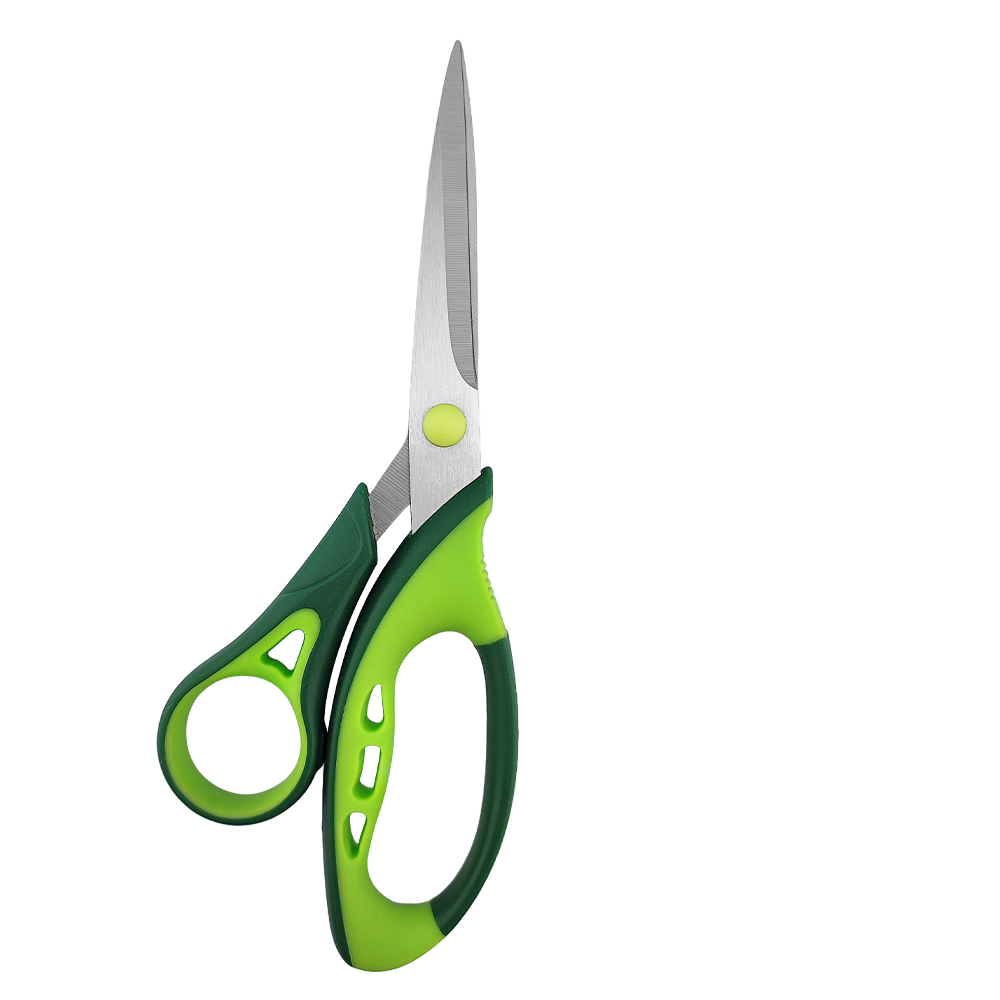
Household scissors are simple tools, but the wrong pair can slow down packaging, craft work, office tasks, and daily home use. The PrecisionEdge All-Purpose Scissors are presented as an 8 inch household scissors option with stainless steel blades, an ergonomic handle, and a green and black design. Those details make the product relevant not only for consumers, but also for retailers, distributors, promotional buyers, and OEM sourcing teams comparing general-purpose scissors for different channels.
This guide explains how to evaluate a versatile household scissors model without relying on unsupported claims. Instead of focusing only on appearance, buyers should consider intended use, blade construction, handle comfort, packaging needs, inspection questions, and supplier communication before placing an order.
What Makes Household Scissors Different?
Household scissors are usually expected to handle a wider range of materials than basic desk scissors. A typical pair may be used for opening parcels, cutting paper, trimming thread, preparing craft materials, or handling light cardboard. Because usage is varied, the best choice is often a balanced design rather than an extremely specialized tool.
The original product description highlights stainless steel blades and an ergonomic handle. These are useful starting points, but sourcing teams should confirm the details behind them. Ask what stainless steel type is used, how the blades are sharpened, whether the pivot tension is adjustable, and how the handle is tested for comfort. If the scissors will be sold under a retail brand, request samples and compare cutting feel across multiple materials before approving mass production.
8 Inch Scissors: Why This Size Is Popular
An 8 inch scissors format is common because it offers enough blade length for efficient straight cuts while remaining manageable for everyday users. Smaller scissors may be easier to store but can feel inefficient on cardboard or gift wrap. Larger shears may cut more aggressively but can be bulky for office drawers, craft kits, or household organizers.
For wholesale and private-label programs, 8 inch scissors also fit a broad target audience. They can be positioned for home, school, office, craft, or general utility use, provided the packaging and product claims remain accurate. If a buyer wants a single item for multiple channels, this size is often a practical place to start.
Household Scissors vs. Office Scissors
Office scissors are usually designed for paper, envelopes, labels, and light stationery tasks. Household scissors may need to work across more varied materials, so the blade alignment, handle comfort, and overall durability become more important. The difference is not always obvious from photos, which is why sample evaluation matters.
| Selection Point | Household Scissors | Office Scissors | Buyer Checklist |
|---|---|---|---|
| Typical use | Paper, packaging, crafts, thread, light cardboard | Paper, documents, envelopes | List the top 3 materials your customers will cut |
| Size preference | Often 8 inch for all-purpose use | Often compact to medium | Check drawer, display, and packaging fit |
| Handle comfort | Important for repeated household tasks | Important for desk use | Test with different hand sizes |
| Blade requirements | Needs clean cuts across mixed materials | Mainly paper performance | Request sample cutting tests |
| Channel fit | Retail, DIY, homeware, promotional, OEM | Stationery, office supply | Match product copy to real use cases |
How to Evaluate Blade and Handle Design
The original description mentions stainless steel blades and an ergonomic green and black handle. These are useful features, but commercial buyers should define measurable expectations before ordering. A blade that looks sharp in a photo may perform differently after repeated use, and a handle that appears comfortable may not suit every market.
- Blade alignment: Open and close the scissors slowly to check whether the blades meet evenly from pivot to tip.
- Cutting feel: Test paper, thin card, fabric scraps, tape, and packaging film if those materials match your market.
- Pivot stability: Check for wobble, excessive looseness, or stiffness after repeated opening and closing.
- Handle comfort: Ask several users to test grip comfort, especially during longer cutting sessions.
- Finish and edges: Inspect for burrs, rough handle seams, and inconsistent surface finish.
- Packaging safety: Confirm whether blade tips are protected during shipping and retail display.
Guidance for OEM, Wholesale, and Custom Scissors Manufacturing
When the topic is custom scissors manufacturing, buyers should be precise. Customization can mean many things: handle color, logo placement, retail card design, barcode labels, blade finish, packaging language, or carton configuration. It should not be assumed that every supplier offers the same options, minimum order quantities, tooling terms, lead times, or compliance documentation.
Before requesting a quotation, prepare a clear sourcing brief. Include the target market, expected use, preferred size, color direction, packaging type, annual forecast if available, and required inspection standards. If the scissors will be sold in regulated retail channels, ask the supplier what documentation they can provide and verify whether it matches your market requirements. Avoid vague requests such as “best quality scissors” because they lead to inconsistent quotations.
- Request a pre-production sample and compare it with the approved reference sample.
- Confirm material descriptions in writing rather than relying on catalog wording alone.
- Ask whether logo printing, handle color matching, or packaging artwork requires extra tooling or setup.
- Define acceptable appearance limits for scratches, stains, burrs, and packaging damage.
- Set clear inspection points for blade sharpness, handle assembly, pivot function, and carton labeling.
Use and Care Tips for Longer Service
For end users, simple care habits can make household scissors more reliable. Use them for suitable materials only; cutting wire, hard plastic, or abrasive items may damage the blades. Wipe the blades after cutting tape or adhesive materials, because residue can affect smooth cutting. Store scissors closed and dry, especially in kitchens, laundry rooms, or humid work areas. If the pivot becomes stiff, users should follow the supplier’s care guidance rather than forcing the blades.
Retailers can include these care tips on product pages or packaging inserts. Clear use instructions reduce unrealistic expectations and help customers choose the right tool for the job.
Key Takeaways
- The PrecisionEdge model is positioned as an 8 inch all-purpose household scissors design with stainless steel blades and an ergonomic green and black handle.
- Household scissors should be evaluated across mixed materials, not only paper.
- B2B buyers should confirm steel details, customization options, packaging, inspection standards, and documentation directly with the supplier.
- Samples are essential before wholesale, OEM, or private-label approval.
FAQ
Are 8 inch scissors suitable for both home and office use?
Yes, 8 inch scissors are often practical for both settings because they balance cutting length and control. Buyers should still test them against the specific materials their customers use most often.
What should I ask a supplier before ordering custom scissors?
Ask about material specifications, sample availability, logo and color options, packaging formats, inspection criteria, lead time, minimum order quantity, and any documents required for your sales market.
Can household scissors cut fabric?
Some household scissors can cut light fabric, but performance depends on blade sharpness, alignment, and intended design. If fabric cutting is a key selling point, test samples before making that claim.
How can retailers reduce customer complaints about scissors?
Use accurate product descriptions, avoid unsupported performance claims, show the size clearly, explain suitable uses, and include basic care instructions for cleaning and storage.
