




Professional Kitchen Scissors: How to Choose a Reliable OEM Kitchen Shears Supplier
Professional kitchen scissors are small tools, but they can influence how a buyer judges an entire kitchenware line. For retailers, importers, distributors, and private-label brands, the goal is not simply to find scissors that look sharp in a product photo. The real task is to evaluate cutting performance, comfort, durability, packaging options, and supplier communication before placing a wholesale or OEM order.
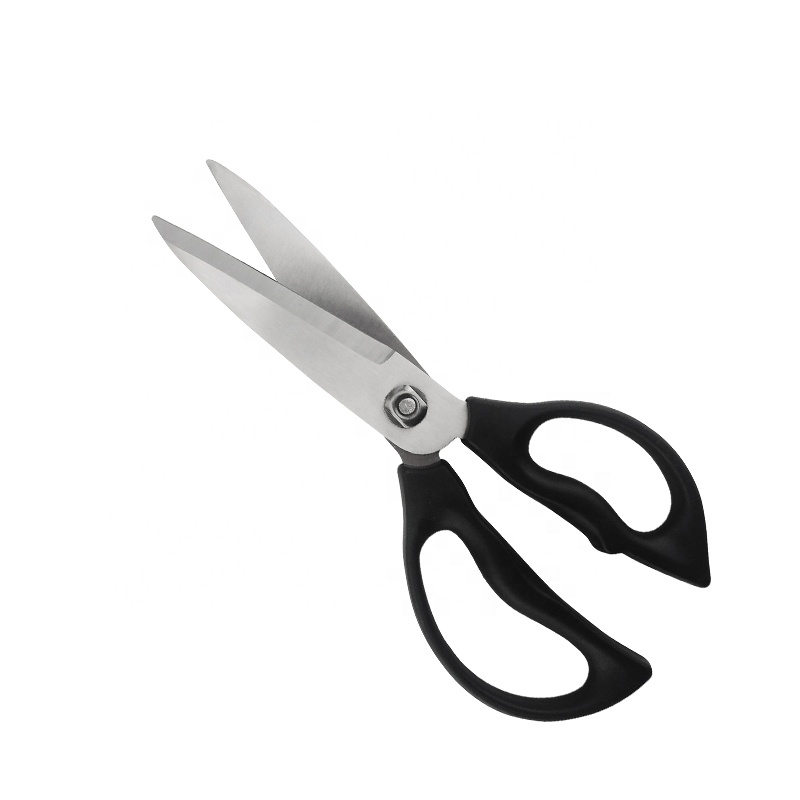
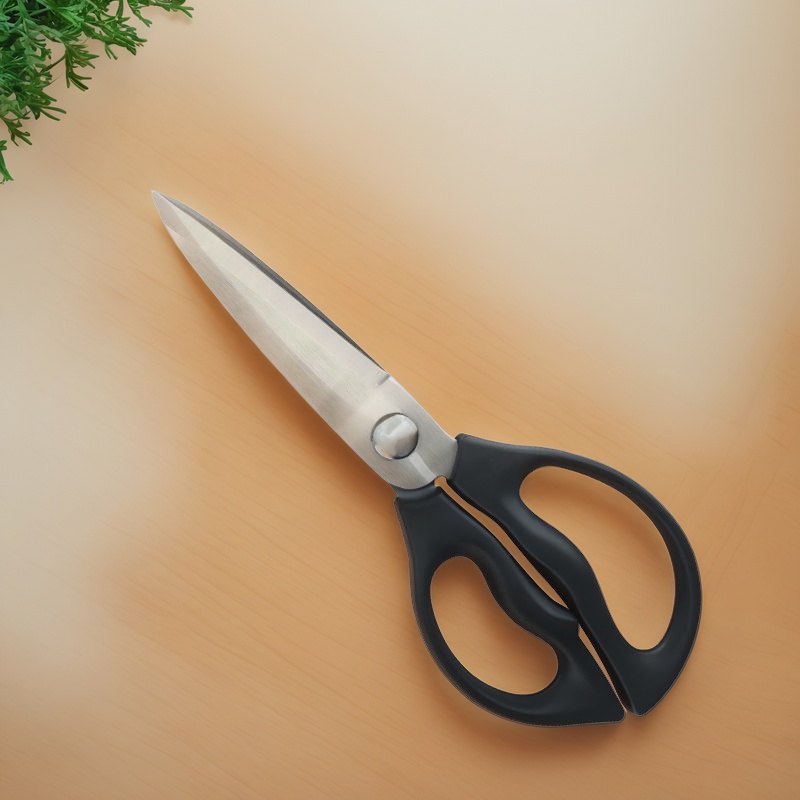
The original PrecisionCraft multi-purpose scissors article highlights several useful facts: black plastic handles, stainless steel blades, an adjustable pivot screw, and broad use across kitchen, craft, packaging, and household cutting tasks. It also positions the product as relevant for OEM kitchen scissors and custom scissors production. This rewritten guide keeps those points, but focuses on what B2B buyers should check before sourcing a similar product.
Key Takeaways
- Start with the intended market: household use, professional food prep, craft cutting, or general utility.
- Confirm blade material, pivot construction, handle material, and packaging details in writing before sampling.
- Ask suppliers for clear answers on OEM options, artwork requirements, lead times, and inspection standards.
- Do not rely only on product photos; test samples for cutting feel, grip comfort, screw stability, and cleaning ease.
- For private-label orders, compare suppliers by communication quality and consistency, not price alone.
What Makes Professional Kitchen Scissors Different?
Professional kitchen scissors need to cut cleanly, feel stable in the hand, and survive repeated use. Unlike basic stationery scissors, kitchen shears may be used near food, water, packaging, twine, herbs, poultry, or prepared ingredients. That makes blade quality, corrosion resistance, handle hygiene, and pivot strength important purchasing factors.
The source article describes stainless steel blades and black high-density plastic handles. Those are common and practical choices, but a buyer should still ask for exact material information, finish details, and care instructions. If the supplier cannot clearly explain what the product is made from and how it should be maintained, it becomes harder to prepare accurate listings, labels, and after-sales guidance.
Blade Quality and Cutting Performance
The blade is the center of the product experience. Stainless steel is explicitly mentioned in the original article, and it is a sensible material category for kitchen scissors because it is widely used where moisture resistance matters. However, buyers should avoid assuming the grade, hardness, or edge retention unless the supplier provides documentation or specifications.
When evaluating a sample, test more than one cutting task. A professional kitchen scissors product may need to cut herbs, food packaging, baking paper, thin cardboard, or kitchen string. The cut should feel controlled, not forced. The two blades should meet evenly along the cutting length, and the tips should close cleanly. If the scissors chew soft materials or twist under pressure, the issue may involve blade alignment, pivot tension, edge grinding, or handle stiffness.
Handle Comfort and Grip Design
The original article notes ergonomic black handles made from resilient plastic. For B2B sourcing, the key question is whether the handle shape fits the intended customer. A compact handle may be suitable for a low-cost household item but uncomfortable for repeated food preparation. A larger grip may suit professional users but increase packaging size and shipping volume.
Ask the supplier whether the handle mold can be customized, whether logo placement is available, and whether color matching is possible. For OEM kitchen scissors, brand consistency matters: a handle color, logo position, and retail card design can influence shelf impact. Buyers should also check if the inner grip edges feel smooth. Sharp plastic edges, uneven seams, or slippery surfaces can lead to returns even when the blades perform well.
Adjustable Pivot Screw and Long-Term Use
An adjustable pivot screw is a useful feature because it allows blade tension to be tuned. If the screw is too loose, the scissors may feel unstable and fail to cut thin materials. If it is too tight, users may feel hand fatigue. The source article describes a robust adjustable pivot screw, so this should be a clear inspection point during sampling.
For wholesale buyers, it is worth asking how the screw is secured during production and whether tension is checked before packing. A product that feels good in the first sample may vary in bulk production if the factory does not have a consistent assembly process. If the order is for professional or frequent use, request several samples from the same batch and compare the opening and closing force.
Supplier Comparison Checklist
Before choosing a kitchen shears manufacturer or Yangjiang scissors factory, compare suppliers using practical criteria. The lowest quotation is not always the best value if inspection, communication, or packaging support is weak.
| Evaluation Point | What to Check | Questions to Ask the Supplier |
|---|---|---|
| Blade details | Material, edge finish, alignment, sharpness consistency | What stainless steel is used, and can you provide the specification? |
| Handle construction | Plastic quality, grip comfort, seam finish, color options | Can the handle color, logo, or mold details be customized? |
| Pivot screw | Tension, smooth movement, stability after repeated opening | How is pivot tension checked during production? |
| Packaging | Retail card, blister, box, barcode, warning text, artwork support | What packaging formats are available for OEM orders? |
| Quality control | Sample approval, bulk inspection, defect handling | What inspection steps are used before shipment? |
| Commercial terms | MOQ, lead time, payment terms, sample cost, shipping method | What are the current MOQ and estimated production lead time? |
OEM and Custom Production Questions
Custom scissors production can include logo printing, handle colors, packaging artwork, barcode labels, instruction inserts, or product bundles. More advanced customization may involve changes to handle shape or blade design, but buyers should confirm feasibility directly with the supplier. Do not assume every factory can support every modification without tooling cost, longer lead time, or a higher MOQ.
- Share a clear target market, expected retail price range, and use case.
- Request a written quotation that separates product cost, packaging cost, tooling cost, and sample cost.
- Ask for physical samples before approving mass production.
- Confirm artwork files, color references, logo placement, and carton marks.
- Agree on inspection criteria for blade alignment, handle finish, screw tension, and packaging defects.
How to Inspect Samples Before Ordering
A sample review should be structured. Open and close the scissors repeatedly to feel for grinding, wobble, or uneven tension. Cut several materials that match the target use. Check the handle under good light for rough seams, scratches, stains, or inconsistent color. Look closely at the blade tips and pivot area, because small defects there often affect user experience.
If the scissors will be sold for kitchen use, ask the supplier for recommended cleaning and care instructions. Buyers should also confirm what claims can legally appear on packaging in their market. Avoid adding performance, safety, food-contact, or compliance claims unless the supplier provides suitable evidence and the buyer has verified local requirements.
FAQ
Are professional kitchen scissors the same as ordinary scissors?
No. Professional kitchen scissors are generally selected for tougher food-prep or household cutting tasks, while ordinary scissors may be intended for paper or light office use. Buyers should test samples against the intended use rather than relying on the name alone.
Can these scissors be used for OEM or private-label projects?
The original article identifies the product as suitable for OEM kitchen scissors and custom scissors production. Buyers should still confirm logo methods, packaging options, MOQ, lead time, and any tooling requirements with the supplier.
What blade material should buyers request?
The source article states that the blades are stainless steel. If a specific grade, hardness, or finish is important for your market, ask the supplier to provide written specifications before ordering.
What should I check first in a sample?
Start with blade alignment, cutting feel, pivot tension, handle comfort, and surface finish. These factors are easy to test and strongly affect customer satisfaction.
How can buyers reduce sourcing risk?
Use approved samples, written specifications, clear packaging artwork, and agreed inspection criteria. For larger orders, consider a pre-shipment inspection focused on the defects most likely to create returns.
Final Sourcing Advice
Professional kitchen scissors can be a strong addition to a kitchenware or household tools range when the supplier, specifications, and inspection process are clear. The best purchasing decision balances blade performance, comfortable handling, OEM flexibility, and consistent production control. Before committing to bulk production, ask detailed questions, test real samples, and make sure every important feature is documented.
