




Ergonomic Kitchen Scissors: A Practical Guide for Daily Cutting Tasks
Kitchen scissors are one of the most frequently reached-for tools in a busy kitchen, yet they are often treated as an afterthought. A good pair can snip herbs, open food packaging, trim ingredients and handle light household cutting without requiring a chopping board for every small task. For home users, the goal is comfort, control and easy cleaning. For retailers, distributors and OEM buyers, the goal is to identify a reliable product that matches customer expectations without relying on vague claims.
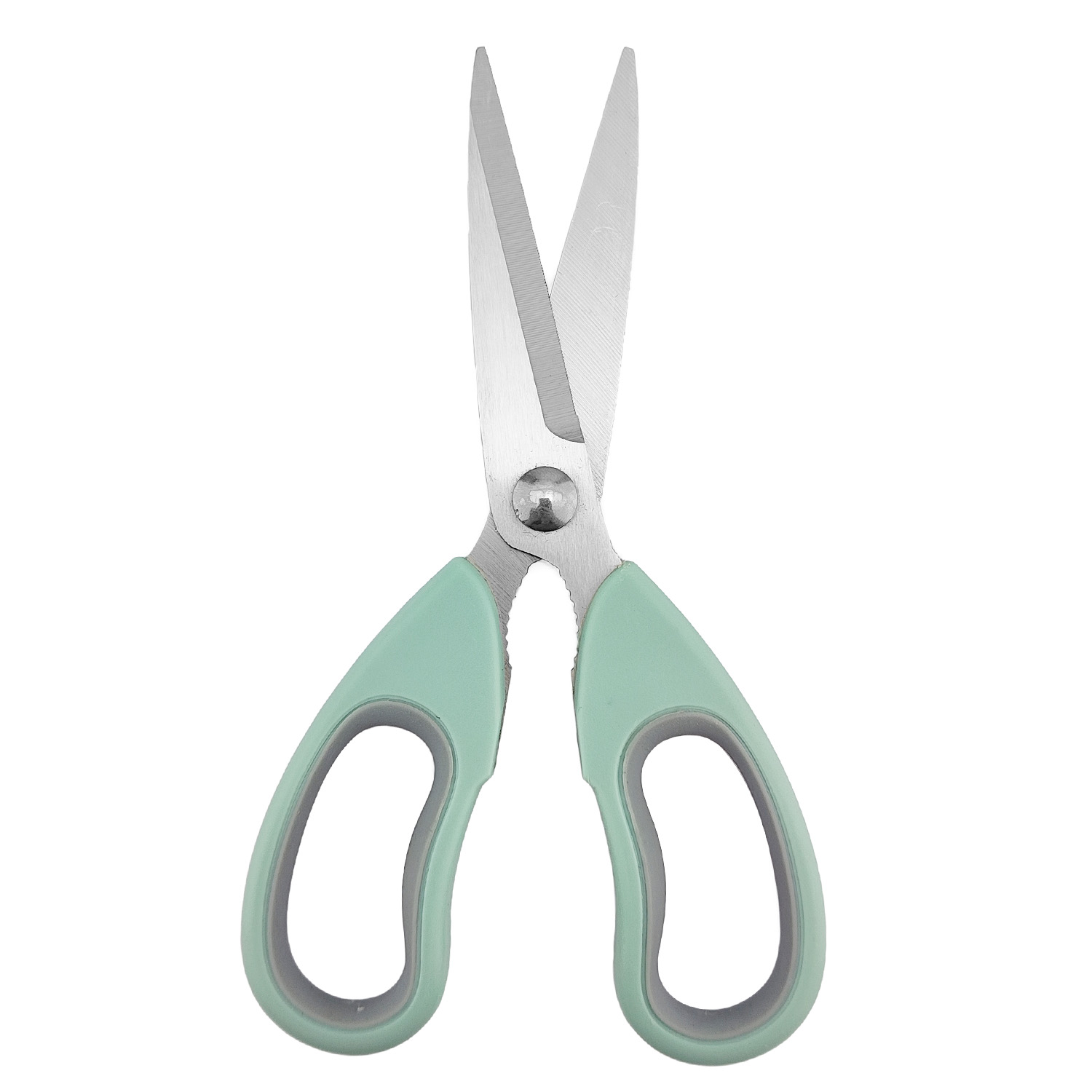
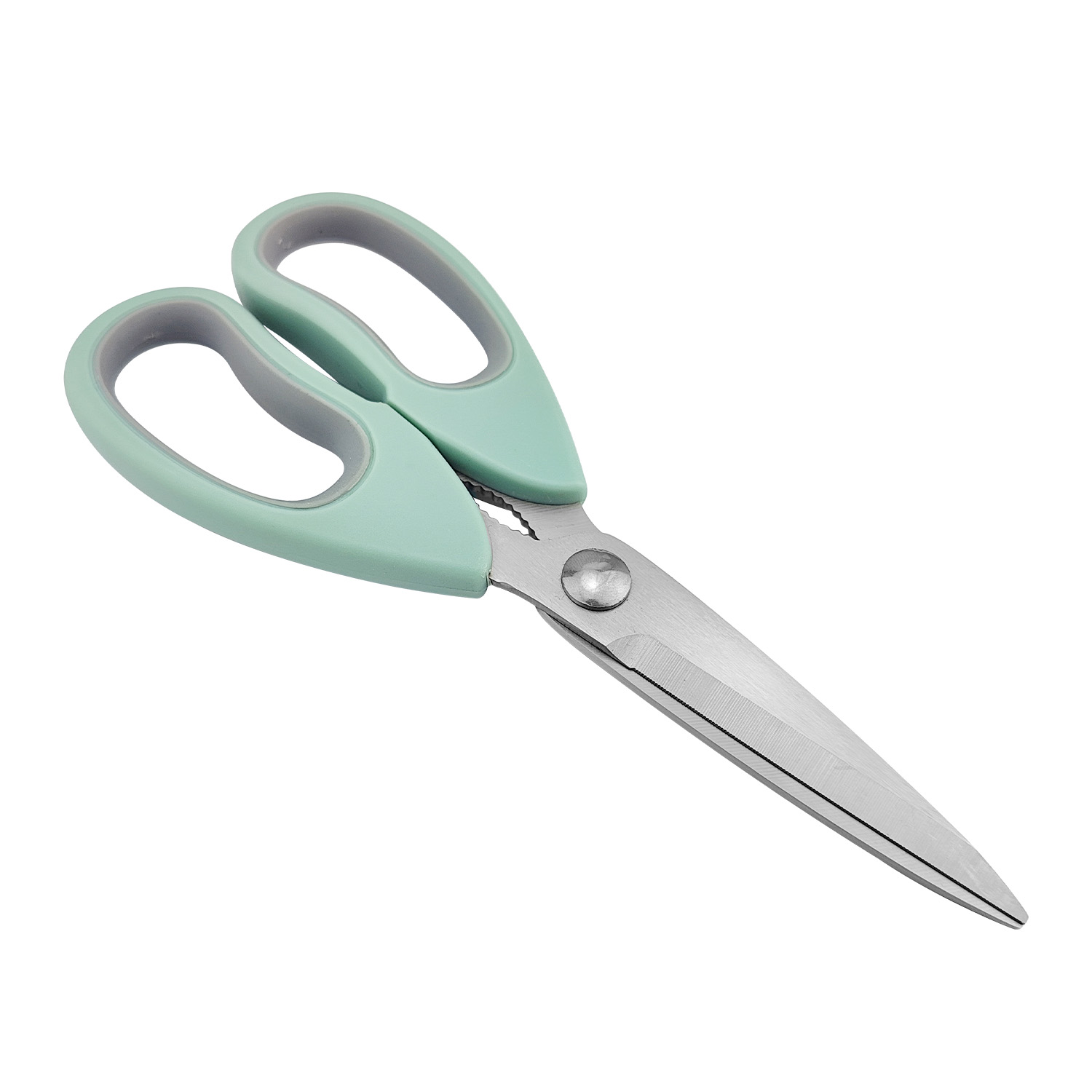
The kitchen scissors described in the original product information focus on ergonomic handling, stainless steel blades, a micro-serrated edge, soft-touch handles in mint green and grey, and an adjustable pivot screw for tension control. Those features are useful, but buyers should still assess how they perform in real use and ask suppliers clear questions before placing an order.
Key Takeaways
- Ergonomic handles matter when scissors are used repeatedly for food prep or packaging.
- Stainless steel blades and micro-serrated edges can improve durability and grip during cutting.
- An adjustable pivot screw may help users tune blade tension for smoother control.
- B2B buyers should confirm materials, packaging, inspection standards and after-sales support with the supplier.
What Makes Kitchen Scissors Different from Ordinary Scissors?
Kitchen scissors are built for a wider range of tasks than paper or craft scissors. In food preparation, the blades may need to cut through wet herbs, plastic packaging, parchment, soft vegetables or cooked food. The tool also needs to feel stable when hands are damp or when the user is working quickly during meal preparation.
Ergonomic kitchen scissors address this by focusing on hand position and pressure distribution. Soft-touch handles can reduce the strain felt around the fingers during repeated snipping. A well-shaped grip also helps users apply force more evenly, which is especially important when cutting thicker packaging or fibrous ingredients. For buyers comparing options, comfort should be tested by actual handling rather than judged only from product photos.
Feature Checklist for Selecting Ergonomic Kitchen Scissors
The following table summarizes practical selection points for home users and B2B sourcing teams. It does not replace supplier verification, but it helps organize the questions that should be asked before purchase or bulk procurement.
| Selection point | Why it matters | What to check |
|---|---|---|
| Blade material | Stainless steel helps support sharpness and corrosion resistance in kitchen use. | Ask the supplier to confirm the specific material details and care instructions. |
| Micro-serrated edge | Small serrations can help grip slippery or tough materials while cutting. | Test on herbs, packaging and food-safe paper to see whether cuts are clean. |
| Handle comfort | Soft-touch ergonomic handles can reduce hand fatigue during repeated use. | Check grip size, finger clearance and whether the surface feels secure. |
| Pivot screw | Adjustable tension can improve blade alignment and control. | Ask whether the screw is user-adjustable and how maintenance should be done. |
| Cleaning needs | Kitchen tools contact food residue, oils and moisture. | Confirm recommended cleaning method and whether any parts require special care. |
Everyday Uses in the Kitchen
Kitchen scissors are not intended to replace every knife, but they can make many small preparation jobs faster and cleaner. Their advantage is direct control: the user can cut food or packaging exactly where needed without setting up a larger workstation.
- Snipping herbs: Scissors can cut chives, parsley, coriander or green onions directly into a bowl or pan.
- Opening packaging: They help open sealed bags, seasoning packets and food wraps more safely than tearing by hand.
- Trimming ingredients: They can handle light trimming jobs such as cutting cooked noodles, soft vegetables or smaller pieces of food.
- Kitchen organization: They are useful for cutting labels, parchment paper, twine or light craft materials used around food service areas.
When using scissors for food and non-food tasks, it is wise to separate tools or clean them thoroughly between uses. This is especially important in commercial kitchens or shared food preparation environments.
How to Evaluate Comfort and Cutting Performance
Comfort is not just about softness. A handle can feel pleasant at first but still cause pressure if the finger openings are too small or the balance is awkward. Before choosing kitchen scissors for regular use, hold them in the cutting position and open and close the blades several times. The motion should feel controlled rather than loose or stiff.
The micro-serrated edge mentioned in the product information is valuable when it helps prevent slipping. To evaluate this feature, cut a thin herb stem, a piece of flexible plastic packaging and a folded paper towel. The scissors should grip without excessive force. If the blades push material forward instead of cutting through it, tension or sharpness may need adjustment.
Care and Maintenance Tips
Kitchen scissors last longer when they are cleaned promptly and stored safely. Even stainless steel should not be treated as maintenance-free, especially when exposed to salt, acids or moisture. After use, remove food particles from the blade area and dry the scissors before returning them to a drawer.
- Wash soon after cutting sticky, oily or acidic foods.
- Dry the pivot area carefully to reduce moisture buildup.
- Do not use kitchen scissors for hard materials unless the supplier states they are suitable.
- Keep the blades closed during storage to protect the edge and prevent accidents.
- If the pivot screw is adjustable, follow the supplier's guidance instead of overtightening it.
For households, these habits help maintain smooth cutting. For food service teams, they also support better tool hygiene and reduce unnecessary replacement.
B2B Sourcing Questions for OEM and Wholesale Buyers
For retailers, importers or private-label buyers, ergonomic kitchen scissors should be evaluated beyond appearance. The original article notes that such products are often produced by OEM scissors manufacturers, but any commercial order should be supported by clear supplier communication and sample testing.
Before committing to a supplier, ask practical questions: What blade material is used? What handle material is used? Can the supplier provide packaging options? How is blade alignment checked during production? What are the cleaning and use instructions? Are replacement samples available for evaluation? What customization is possible for color, branding or packaging? What quality inspection process is applied before shipment?
Avoid assuming details such as certifications, production capacity, minimum order quantity or test results unless the supplier provides documentation. For a B2B buyer, careful verification reduces the risk of receiving a product that looks acceptable online but performs poorly in customer hands.
FAQ
Are kitchen scissors only for cutting food?
No. They can also open packaging, cut parchment paper or handle light kitchen organization tasks. However, tools used on food should be cleaned properly after non-food use.
Why choose a micro-serrated edge?
A micro-serrated edge can help the blade grip slippery or flexible materials, reducing the chance of sliding while cutting. Buyers should still test performance with real kitchen tasks.
Do ergonomic handles make a noticeable difference?
They can, especially for users who cut frequently. Soft-touch handles and a comfortable shape may reduce finger pressure and improve control during repeated use.
What should wholesale buyers confirm with a supplier?
Confirm material details, cleaning guidance, sample availability, packaging options, customization limits, quality inspection steps and any documentation required for your market.
How should kitchen scissors be stored?
Store them clean, dry and closed in a drawer, holder or designated tool area. Keeping the edge protected helps maintain sharpness and improves safety.
Final Thoughts
Ergonomic kitchen scissors are practical tools for everyday preparation, especially when they combine stainless steel blades, a micro-serrated edge, comfortable soft-touch handles and adjustable tension. For home users, the best choice is the pair that feels secure, cuts cleanly and is easy to maintain. For B2B buyers, the best choice is supported by supplier transparency, sample testing and clear answers to product and packaging questions.
