




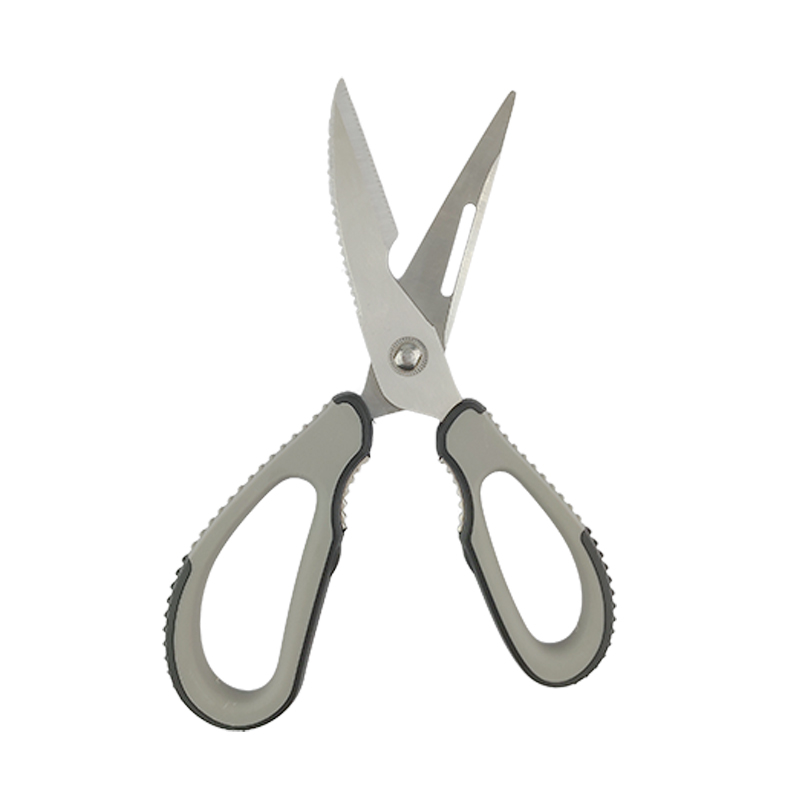
Multi-Functional Kitchen Scissors: Practical Buying and Use Guide

Multi-functional kitchen scissors are designed to handle more than simple cutting. For home cooks, they can speed up everyday prep tasks such as trimming herbs, cutting food packaging, portioning cooked foods, or preparing ingredients that are awkward to manage with a knife. For retailers, distributors, and sourcing teams, they are also a compact kitchen tool category that requires careful review of design, cleaning convenience, packaging, and supplier reliability.
The original article highlights several explicit features: stainless steel blades, ergonomic soft-grip handles, micro-serrations, detachable blades, and built-in functions such as a bottle opener and nutcracker. This guide expands on those points with practical selection criteria, safe-use advice, and B2B sourcing questions to help buyers compare products without relying on vague marketing claims.
Key Takeaways
- Multi-functional kitchen scissors are useful when they combine sharp cutting performance with easy cleaning and controlled handling.
- Detachable blades can support better hygiene, but buyers should check how securely the blades lock together after reassembly.
- Micro-serrated blades may help grip slippery foods or packaging, though they should still be tested for smooth cutting.
- Wholesale and OEM buyers should ask suppliers clear questions about materials, testing, packaging, customization, and quality inspection.
What Multi-Functional Kitchen Scissors Are For
A good pair of kitchen scissors can reduce the need to switch between a knife, cutting board, and several small tools. Common tasks include snipping herbs, cutting noodles, trimming poultry skin, opening sealed food bags, cutting parchment, and separating small portions of cooked food. When extra features are built into the handles, the same tool may also assist with opening bottles or cracking nuts, depending on the model design.
However, multi-function should not mean complicated. The best designs keep the main cutting function comfortable and safe. Extra features should be easy to understand, positioned away from the cutting edge, and simple to clean. If an added function makes the scissors bulky, hard to grip, or difficult to wash, it may reduce the real value of the product.
Features to Evaluate Before Buying
The most important feature is still the blade. The source article describes stainless steel blades and micro-serrations. Stainless steel is widely used in kitchen tools because it is suitable for regular washing, but buyers should ask the supplier what grade is used and what care instructions apply. Micro-serrations can improve grip on slippery surfaces, but the cutting edge should not tear food unevenly.
Handle design also matters. Ergonomic, soft-grip handles can reduce hand strain during repeated use, especially for people preparing large meals or commercial samples. Check whether the handles fit both small and large hands, whether the grip becomes slippery when wet, and whether the pressure point is comfortable during firm cutting.
Detachable blades are another useful feature from the original product description. They make it easier to wash between the blades, where food residue can collect. Before choosing this type, confirm that the blade separation mechanism is intuitive, secure, and not likely to loosen during normal cutting.
Comparison Checklist for Product Selection
| Selection Point | What to Check | Why It Matters |
|---|---|---|
| Blade material | Ask the supplier to confirm the stainless steel grade and care guidance | Helps buyers understand durability, corrosion resistance, and maintenance needs |
| Cutting edge | Test herbs, packaging, cooked food, and small bones if the supplier claims suitability | Shows whether the scissors cut cleanly without excessive force |
| Detachable design | Separate, wash, dry, and reassemble the blades during sampling | Confirms hygiene convenience and secure locking |
| Handle comfort | Try wet and dry grip conditions with different hand sizes | Reduces slipping and hand fatigue |
| Extra functions | Check bottle opener, nutcracker, or other built-in tools for practical placement | Prevents extra features from interfering with safe cutting |
| Packaging | Ask for retail box, barcode, instructions, and labeling options | Important for wholesale, ecommerce, and private-label programs |
Use and Care Tips for Daily Kitchen Work
Kitchen scissors contact many types of food, so cleaning should be part of the routine. Wash the scissors after each use, especially after cutting meat, seafood, or sticky ingredients. If the blades detach, separate them carefully and clean the hinge area. Dry all parts before storage to reduce water spots and help preserve smooth movement.
- Use kitchen scissors only for food and kitchen packaging, not craft materials or wire.
- Cut on a stable surface when handling firm ingredients to avoid twisting the blades.
- Keep fingers clear of the hinge and blade tips during washing and reassembly.
- Store the scissors closed in a drawer organizer, sheath, or safe tool area.
- Inspect the pivot, handle, and blade edge regularly; replace the tool if it becomes loose or damaged.
For households, one pair may be enough if it is cleaned promptly. For food-service or demonstration environments, separate scissors for raw and ready-to-eat foods may help support safer workflow, depending on local hygiene practices.
B2B Sourcing Guidance for Wholesale and OEM Buyers
For importers, distributors, and private-label brands, multi-functional kitchen scissors should be evaluated as both a tool and a repeat-purchase consumer product. A scissors factory or OEM scissors manufacturer may offer customization, but commercial details should be verified directly instead of assumed.
Before placing a wholesale order, ask suppliers these questions: What blade material is used? Are the blades detachable, and how is the locking mechanism tested? What handle material and color options are available? Can the supplier provide samples for cutting and cleaning evaluation? What packaging formats are available for retail shelves or ecommerce shipping? What inspections are performed before shipment? Are instruction sheets, warnings, or localized labels available?
If you require compliance documents, food-contact declarations, or market-specific labeling, request current documents from the supplier and confirm whether they apply to the exact model, material, and destination market. Do not rely on general claims. For OEM projects, also clarify artwork approval, sample lead time, carton details, spare parts policy, and how quality issues are handled after delivery.
Common Mistakes to Avoid
The first mistake is choosing a product only because it has many functions. A bottle opener or nutcracker is useful only if the scissors still cut well and feel safe in the hand. The second mistake is overlooking cleaning. A hinge that traps food can frustrate users, while a detachable design that feels unstable can create safety concerns.
Wholesale buyers should also avoid approving a product from photos alone. Request physical samples and test them with realistic kitchen tasks. Check consistency across multiple samples, not just one perfect piece. If the product will be sold online, review whether the packaging protects the blade tips and whether instructions clearly explain safe separation and cleaning.
FAQ
Are multi-functional kitchen scissors better than standard scissors?
They can be more useful in the kitchen because they combine cutting with features such as detachable blades, micro-serrations, a bottle opener, or a nutcracker. The best choice depends on whether those functions are practical for your cooking or retail customers.
How should detachable kitchen scissors be cleaned?
Separate the blades according to the product instructions, wash the blade and hinge areas, rinse thoroughly, and dry before reassembly. Make sure the blades lock securely before the next use.
Can kitchen scissors cut small bones?
The source article mentions use on small bones, but buyers should test samples and ask the supplier what the product is designed to handle. Avoid forcing the blades beyond their intended use.
What should wholesale buyers ask an OEM scissors manufacturer?
Ask about blade material, handle material, detachable mechanism, sample availability, packaging, inspection process, customization options, and any documents required for your destination market.
What makes kitchen scissors suitable for retail?
Clear packaging, safe blade protection, easy-to-understand instructions, comfortable handling, and reliable cutting performance all matter. Retail buyers should also confirm barcode, labeling, and carton requirements before ordering.
Final Buying Advice
Multi-functional kitchen scissors are most valuable when they make regular kitchen tasks faster without becoming hard to clean or control. For consumers, focus on blade performance, grip comfort, safe storage, and simple maintenance. For wholesale and OEM sourcing, move beyond general product descriptions and use structured sample testing, supplier questions, and packaging review before making a decision.
