




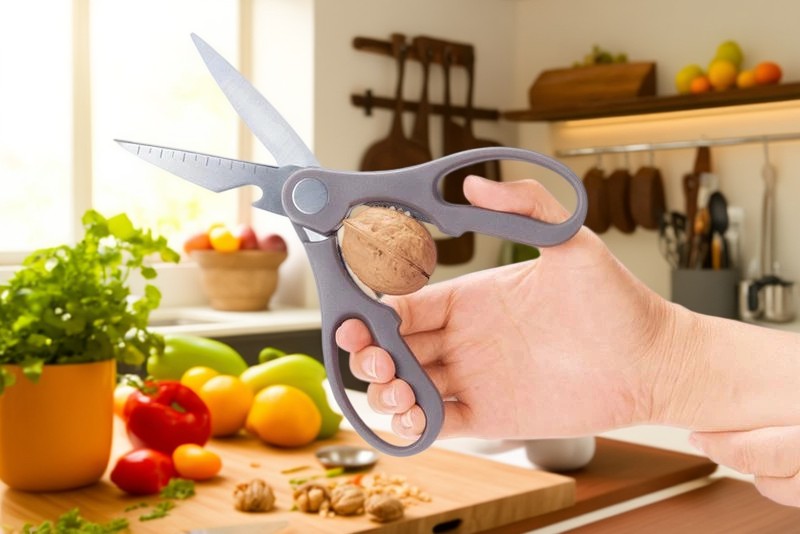
Magnetic Kitchen Scissors: Practical Cutting, Storage and Care Guide
Kitchen scissors are one of those tools that become useful several times a day once they are easy to reach. Magnetic kitchen scissors add one important advantage: convenient storage. Instead of being buried in a drawer, they can be kept securely on a suitable magnetic surface or stored with a protective sheath, depending on the design. For home cooks, that means faster access when trimming herbs, cutting parchment, opening packaging or handling small prep tasks.
The original appeal of this type of kitchen tool is its combination of sharp stainless steel blades, ergonomic handles and extra functions such as a nutcracker and bottle opener. Those details can make a pair of kitchen scissors more versatile, but buyers should still look carefully at safety, comfort, cleaning and the type of food tasks they actually perform most often.
Key Takeaways
- Magnetic kitchen scissors are most useful when they combine reliable cutting performance with safe, accessible storage.
- Stainless steel blades, comfortable handles and a protective sheath are practical features for daily kitchen use.
- Extra functions such as a nutcracker or bottle opener can be helpful, but they should not replace blade quality or comfort.
- Wash and dry kitchen scissors promptly, especially after contact with meat, poultry, citrus or salty foods.
What Magnetic Kitchen Scissors Are Designed to Do
Magnetic kitchen scissors are designed for quick food-prep and household cutting tasks. They are not simply craft scissors placed in a kitchen drawer. A good pair should feel stable in the hand, cut cleanly and be simple to clean after contact with food.
Common uses include snipping herbs, cutting parchment paper, trimming food packaging, portioning soft foods and preparing ingredients before cooking. The original article also highlights trimming chicken bones; in real home use, this should be approached with care. Kitchen scissors can help with small poultry tasks, but very hard bones may require dedicated poultry shears or a cleaver. If a task forces the blades or twists the handles, stop and choose a heavier tool.
Blade and Handle Features to Check
The original product description mentions stainless steel blades and ergonomic handles. These are sensible priorities. Stainless steel is widely used in kitchen tools because it is practical for food-contact items and easier to maintain than many reactive metals. However, shoppers should still check the product details for cleaning instructions, blade thickness and whether the blades separate for washing.
Handle comfort matters just as much as blade sharpness. If the handle openings are too small, too slippery or uncomfortable under pressure, the scissors will be tiring during repeated use. A matte finish may improve the feel in the hand and can give the tool a clean look, but grip shape and control are more important than appearance.
Comparison Checklist Before Buying
| Feature | Why It Matters | What to Check |
|---|---|---|
| Magnetic storage | Keeps scissors accessible and reduces drawer clutter. | Ask whether the magnet is built into the scissors, sheath or storage accessory, and confirm the intended surface. |
| Protective sheath | Protects blades and helps prevent accidental contact. | Check whether the sheath holds firmly and is easy to remove with dry hands. |
| Stainless steel blades | Supports everyday kitchen use and easier maintenance. | Look for clear cleaning guidance and avoid assuming a specific steel grade unless stated. |
| Ergonomic handles | Improves control when cutting herbs, parchment or packaging. | Review handle size, shape and whether it suits left- or right-handed users. |
| Built-in extras | Nutcracker and bottle opener functions can reduce tool changes. | Decide whether these functions are genuinely useful for your kitchen routine. |
Everyday Uses in Home Cooking
One reason kitchen scissors are popular is that they reduce the need for a cutting board during small tasks. For example, herbs can be snipped directly over a bowl, parchment can be trimmed to fit a baking tray, and food packaging can be opened cleanly without reaching for a knife.
They are also useful for prep tasks that are awkward with a chef’s knife. Cutting chives, trimming mushroom stems, slicing dried fruit into smaller pieces or opening sealed ingredient bags are all simple examples. If the scissors include a bottle opener, they can also help with drink preparation. If they include a nutcracker, they may handle nuts such as almonds or walnuts, depending on shell hardness and the design of the tool.
How to Use Them Safely
Kitchen scissors are sharp tools and should be handled with the same care as knives. The magnetic feature is convenient, but storage must still be secure. Do not place scissors where children can reach them, where they may be knocked loose, or where the blades are exposed.
- Use the right tool for the task. Avoid forcing the scissors through hard bones, frozen food or thick non-food materials.
- Cut away from your fingers and keep the food stable before applying pressure.
- Use the sheath when storing in a drawer, utensil organizer or travel cooking kit.
- Keep the handle dry when cutting slippery foods to maintain control.
- Inspect the pivot area regularly for trapped food, looseness or corrosion.
Cleaning and Care Tips
Because kitchen scissors may contact raw food, cleaning is not optional. Rinse them soon after use, especially after cutting meat, poultry, sticky sauces, citrus or salty ingredients. Wash with warm water and dish soap, paying attention to the blade edges and pivot area. Dry thoroughly before placing them back in the sheath or on a magnetic surface.
If the product instructions allow dishwasher cleaning, follow those instructions. If not, hand washing is the safer default. Prolonged moisture can leave marks on many metal tools, even stainless steel items. A quick dry with a towel helps maintain appearance and performance.
When Magnetic Storage Makes Sense
Magnetic storage is most useful in kitchens where counter and drawer space are limited. It keeps frequently used tools visible and easy to grab. However, it should be planned carefully. The surface must be stable, clean and suitable for magnetic storage. The scissors should not slide, rattle or sit near heat, steam or splashing oil.
If you prefer drawer storage, a compact sheath is a practical alternative. It protects the blade edges and makes the tool safer to handle among other utensils. Many users will benefit from both options: magnetic access during active cooking and sheathed storage when the scissors are not in regular rotation.
Practical FAQ
Are magnetic kitchen scissors different from regular kitchen scissors?
The main difference is storage convenience. Magnetic kitchen scissors are intended to be kept on a compatible magnetic surface or with a magnetic storage feature, while still performing standard kitchen cutting tasks.
Can they cut chicken bones?
They may help with light poultry prep if the design is strong enough, but hard bones require dedicated poultry shears or another appropriate tool. Do not force the blades.
Should I choose scissors with a sheath?
Yes, a sheath is useful if the scissors will be stored in a drawer or carried with other utensils. It protects both the blades and your hands.
How do I prevent rust or staining?
Wash promptly, remove food from the pivot area and dry completely before storage. Avoid leaving the scissors wet in a sink or sealed sheath.
Are built-in nutcracker and bottle opener features necessary?
They are helpful if you use them often, but they are secondary features. Blade quality, comfort, cleaning and safe storage should come first.
