




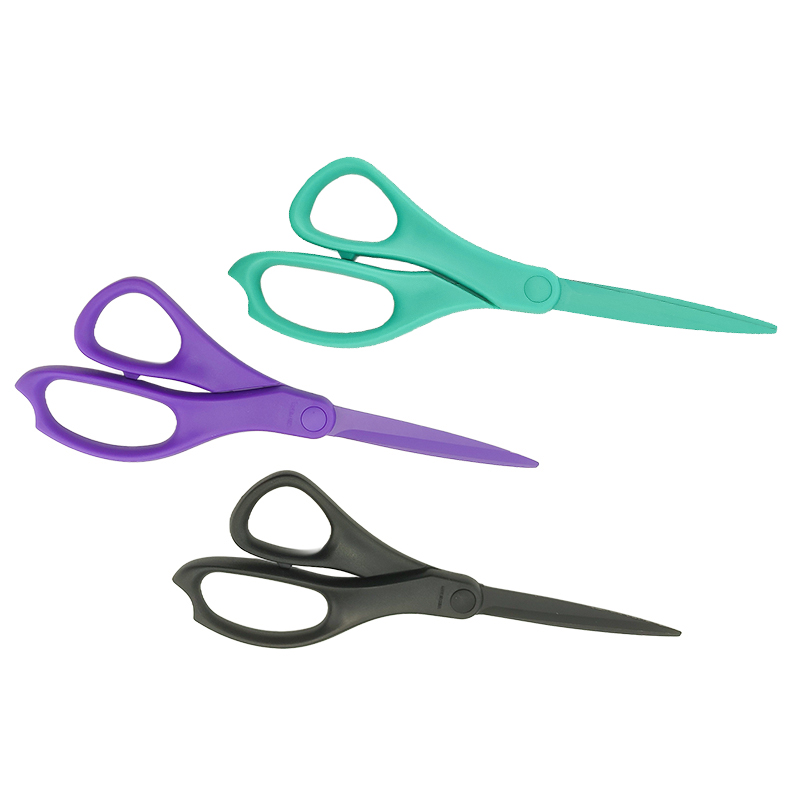
Scissors for Office Use: How to Choose Comfortable, Reliable Desk Scissors
Scissors for office use may seem like a small purchase, but the right pair can make routine work faster and less frustrating. In a typical office, scissors are used for opening envelopes, trimming paper, cutting labels, preparing presentation materials, unpacking light parcels and supporting occasional craft or display work. A poor pair can snag, pinch the hand or leave rough edges. A well-chosen pair should feel comfortable, cut cleanly and be easy to keep at a workstation without creating safety or clutter issues.
This guide explains what to look for when buying office scissors for daily desk use, shared supply rooms, reception counters, classrooms or home offices. It focuses on practical selection and care rather than decorative claims, so you can match the tool to the work it actually needs to do.
Key Takeaways
- Choose scissors based on the main cutting tasks: paper, envelopes, labels, light packaging or craft materials.
- For frequent use, handle comfort is as important as blade sharpness.
- Stainless steel office scissors are commonly preferred because they resist rust and corrosion.
- Keep office scissors clean, dry and separate from heavy-duty tools to protect the cutting edge.
- In shared workplaces, consider safety, storage and left- or right-hand usability before ordering.
What Office Scissors Need to Do Well
Office scissors are not the same as kitchen shears, industrial cutters or heavy-duty craft tools. Their job is usually precision and convenience rather than high-force cutting. Good desk scissors should open smoothly, close evenly and cut standard paper without chewing the edge. They should also handle everyday materials such as thin cardboard, tape, shipping labels and plastic document sleeves when needed.
Before choosing a pair, list the most common tasks in your workplace. A reception desk may need scissors mostly for opening mail and cutting printed notices. A design or marketing team may need cleaner cuts for presentations, samples and display boards. A warehouse office may use scissors for labels and light packaging, but should still keep separate tools for thick straps, wires or dense cartons. Using office scissors beyond their intended purpose is one of the fastest ways to dull or damage them.
Blade Material and Cutting Performance
The blade is the main working part of any scissor. Many professionals prefer stainless steel office scissors because stainless steel offers durability and resistance to rust and corrosion. This matters in offices where tools may sit in drawers, be handled by many people or occasionally come into contact with moisture from cleaning or packaging materials.
Sharpness and alignment are just as important as material. Two blades must meet cleanly along the cutting line. If they are loose, warped or poorly aligned, even a sharp-looking pair can fold paper instead of cutting it. When possible, test scissors on the material you use most. The cut should start easily at the base of the blades and continue to the tips without sticking.
Some office scissors are also chosen for their finish or color, including metallic looks such as copper-toned designs. Appearance can help match a desk setup, but it should not replace basic checks for blade quality, comfortable handling and safe storage.
Ergonomic Handles and Daily Comfort
Comfort becomes important when scissors are used repeatedly. Ergonomic office scissors are designed to reduce strain by supporting the natural position of the hand. Look for handles that allow the fingers to fit without squeezing and that do not create hard pressure points around the thumb or knuckles.
Handle size should match the user. A small handle may feel neat on a desk but can be uncomfortable for larger hands. A very large handle may reduce control for fine trimming. If the scissors will be shared, choose a general-purpose handle shape that works for most people rather than an extreme design.
Also consider handedness. Many common scissors are optimized for right-handed use. If your office has left-handed users, ask whether left-handed or ambidextrous options are available. In shared environments, this small detail can make the difference between a tool that everyone uses comfortably and one that sits unused in a drawer.
Comparison Checklist for Office Scissors
| Selection factor | What to check | Why it matters |
|---|---|---|
| Main use | Paper, envelopes, labels, light packaging or craft tasks | Prevents buying scissors that are too light or unnecessarily bulky |
| Blade quality | Smooth cutting from base to tip | Reduces frayed edges, snags and repeated cuts |
| Material | Rust-resistant options such as stainless steel | Supports longer service life in everyday office conditions |
| Handle comfort | Finger room, grip shape and pressure points | Helps reduce hand fatigue during repetitive tasks |
| Size | Compact desk use or larger general-purpose use | Balances control, reach and storage convenience |
| Shared use | Left-hand access, labeling and safe storage | Makes the tool practical for teams, classrooms and supply rooms |
Choosing Scissors for Different Office Settings
For an individual desk, a medium-sized pair is usually enough for documents, envelopes and labels. If you often cut printed pieces for meetings or client materials, prioritize clean tip control and smooth blade movement. For a supply cabinet, it may be better to keep several pairs of reliable general-purpose office scissors rather than one premium pair that is frequently missing.
For classrooms, training rooms or front desks, safety and visibility matter. Scissors should be easy to find, easy to return and appropriate for the users. If children may access the area, store scissors out of reach or use age-appropriate alternatives in supervised settings. For shipping stations, keep office scissors for labels and light packaging only, and use a proper box cutter or heavy-duty tool for tougher materials.
Care and Maintenance for Longer Service
Office scissors do not need complicated maintenance, but a few habits will keep them working better. Wipe blades after cutting adhesive labels or tape, because residue can make the blades drag. Store scissors dry and avoid leaving them near sinks, plants or damp cleaning cloths. Do not use desk scissors to cut wire, thick plastic strapping or dense cardboard, as this can nick the blades or loosen the pivot.
- Clean sticky residue with a soft cloth after use.
- Dry the blades before putting scissors back in a drawer or holder.
- Store with the tips protected or pointed downward in a desk cup.
- Keep one pair for paper and another tool for heavy packaging.
- Replace scissors when they no longer cut cleanly after cleaning and adjustment.
FAQ: Office Scissors
What size scissors are best for office use?
A medium general-purpose size is suitable for most desks because it offers enough blade length for paper while remaining easy to control. Smaller scissors can be useful for precise trimming, while larger pairs may suit supply rooms or frequent packaging tasks.
Are stainless steel office scissors worth choosing?
Stainless steel office scissors are a practical choice for many workplaces because they resist rust and corrosion. However, also check blade alignment, handle comfort and overall cutting feel.
What makes scissors ergonomic?
Ergonomic scissors usually have handles shaped to fit the hand more naturally, with enough finger space and a grip that reduces pressure during repeated cutting. The best choice depends on the user’s hand size and cutting frequency.
Can office scissors cut cardboard?
They can usually handle thin card or light packaging, but thick cardboard should be cut with a more suitable tool. Using office scissors on heavy materials can dull or damage the blades.
How should shared office scissors be managed?
Place them in a visible holder, label the storage area and keep more than one pair if several people use them daily. Consider left-handed users and keep scissors away from areas where unauthorized users or children can reach them.
Final Thoughts
The best scissors for office use are not simply the most decorative or the sharpest on day one. They are the pair that fits the daily workload, feels comfortable in the hand and remains reliable with basic care. By checking blade material, cutting smoothness, handle design, storage and user needs, you can choose office scissors that support cleaner work and fewer small frustrations throughout the day.
