




Scissors Production Factory: How to Source Paper Scissors With Confidence
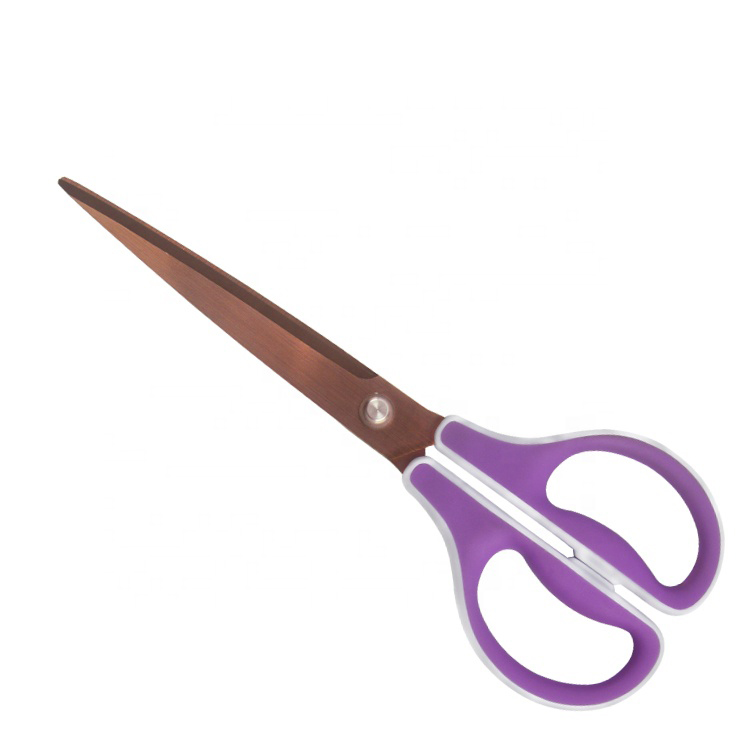
Finding the right scissors production factory is not only about getting a low unit price. For importers, distributors, school supply buyers, stationery brands, and promotional product companies, the bigger question is whether a supplier can deliver consistent cutting performance, comfortable handling, stable appearance, and reliable communication from sample to shipment. The original focus of this topic was the journey from factory production to finished scissors, including paper scissors, custom options, and the Cutting Edge Series with copper-tinted blades and purple and white ergonomic handles. This updated guide turns that idea into practical sourcing advice for B2B buyers.
Paper scissors may look simple, but small differences in blade alignment, handle shape, edge finishing, packaging, and inspection can affect user satisfaction. Before placing an OEM or wholesale order, buyers should understand what to verify, what to request in a sample, and which questions to ask a supplier.
What a Scissors Production Factory Should Help You Verify
A professional factory should be able to explain how its scissors are made and checked without relying on vague promises. The basic production flow usually includes material preparation, blade forming, surface finishing, assembly, sharpening, handle fitting, inspection, and packing. The exact process depends on the scissor type, intended use, and buyer requirements.
When discussing paper scissors, ask the factory to clarify the intended application. Office paper trimming, classroom use, craft cutting, light packaging work, and tailoring projects can have different expectations. The original article mentioned clean, precise cuts for everyday paper trimming and tailoring projects. For sourcing decisions, it is better to translate that into testable requirements: what materials should the scissors cut, how many sheets, how smoothly, and with what level of comfort after repeated use?
Choosing a Reliable Paper Scissors Supplier
A dependable paper scissors supplier should offer more than a catalog photo. Buyers should request samples, evaluate consistency across multiple pieces, and confirm how production batches are inspected. If a supplier presents a model such as the Cutting Edge Series, look at the actual handling experience as well as its visual design. The copper-tinted blades and purple and white ergonomic handles described in the original article may be suitable for a distinctive retail or promotional line, but the final decision should still be based on function, finish, and order requirements.
- Ask whether the sample is made from current production or a special display sample.
- Check whether the blades open and close smoothly without looseness.
- Confirm whether the handle shape suits the intended user group.
- Review packaging options for retail, school supply, office, or bulk distribution channels.
- Ask how color, logo, and artwork approvals are handled before mass production.
Custom Paper Scissors: What OEM Buyers Should Define
Custom paper scissors can support private labels, branded office supplies, educational kits, craft ranges, and promotional campaigns. However, customization should be managed carefully. The original article referred to color schemes and branded logos. Those are common customization topics, but buyers should also discuss placement, durability, color matching, packaging artwork, and approval samples.
Do not assume that every customization is available for every model. Ask the supplier which parts can be customized, what artwork format is required, whether logo samples can be provided, and whether any tooling, setup, or packaging costs apply. If your market requires specific labeling, age grading, import documentation, or compliance review, ask the supplier what documents can be supplied and have them checked by your own compliance team.
Product Selection Criteria for Wholesale and Distribution
For wholesale sourcing, buyers should define the product by use case instead of choosing only by appearance. A classroom scissor may prioritize safe handling and durability under frequent use. A craft scissor may need smoother cutting and a distinctive look. An office scissor may need balanced performance, comfortable handling, and simple packaging. A promotional scissor may focus on logo visibility and consistent color.
Useful selection questions include: Who is the end user? What will they cut most often? Will the product be sold individually or packed in sets? Is the handle size suitable for the target market? Does the scissor need a left-hand option? What carton strength is needed for shipping? These questions help prevent mismatches between product design and sales channel.
Comparison Checklist for Evaluating Scissor Suppliers
| Evaluation Area | What to Check | Questions to Ask |
|---|---|---|
| Cutting performance | Clean cutting on intended materials, smooth opening and closing, blade alignment | Can you provide samples for paper, craft, or office-use testing? |
| Handle comfort | Grip shape, finger space, edge smoothness, suitability for repeated use | Is the handle design fixed, or can color and grip style be customized? |
| Appearance | Blade finish, handle color, logo position, consistency between pieces | How is color approval managed before bulk production? |
| Packaging | Retail card, blister, sleeve, bulk pack, carton labeling | Can packaging artwork be reviewed with a pre-production sample? |
| Quality control | Inspection points, defect handling, sample retention, batch consistency | What checks are performed before shipment, and can reports be shared? |
| Commercial terms | MOQ, lead time, payment terms, customization costs, shipping method | What are the current terms for this exact model and order quantity? |
Key Takeaways
- A scissors production factory should be assessed by samples, inspection process, communication, and consistency, not claims alone.
- For paper scissors, define the use case before confirming blade style, handle design, and packaging.
- Custom paper scissors require clear artwork, color, logo, sample, and packaging approvals.
- Commercial details such as MOQ, lead time, pricing, and documentation should be confirmed directly with the supplier for the exact order.
Practical FAQ for Scissors Buyers
What should I request before placing a wholesale scissors order?
Request physical samples, packaging details, available customization options, current MOQ, estimated lead time, payment terms, and the supplier's inspection process. If you are importing, also ask what export and product documents can be provided.
How do I test paper scissors samples?
Test several pieces, not just one. Cut the same paper type repeatedly, check whether the blades meet cleanly from pivot to tip, open and close the scissors many times, and compare handle comfort across different users if possible.
Can paper scissors be customized with a brand logo?
Often, yes, but options depend on the model and production method. Ask where the logo can be placed, what artwork file is needed, whether a logo sample can be made, and whether there are setup costs or minimum quantities.
Are copper-tinted blades a performance feature?
The original product description mentions copper-tinted blades. Buyers should treat this as a visible finish unless the supplier provides specific, verifiable performance data for the exact product. Always confirm material, coating, and testing details directly.
How can I compare two scissors suppliers fairly?
Give both suppliers the same target use, packaging requirement, quantity, artwork, and testing expectations. Compare samples, communication quality, inspection transparency, customization support, and total landed cost rather than unit price alone.
Final Sourcing Advice
A well-chosen scissors supplier can support a stable product line for schools, offices, craft retailers, promotional programs, and private label brands. The best approach is structured and practical: define the end use, review real samples, verify customization details, and ask clear commercial questions before confirming production. Whether you are considering a visually distinctive model with copper-tinted blades and purple and white ergonomic handles or a simpler paper scissor for bulk distribution, a disciplined sourcing process will reduce risk and improve buyer confidence.
