




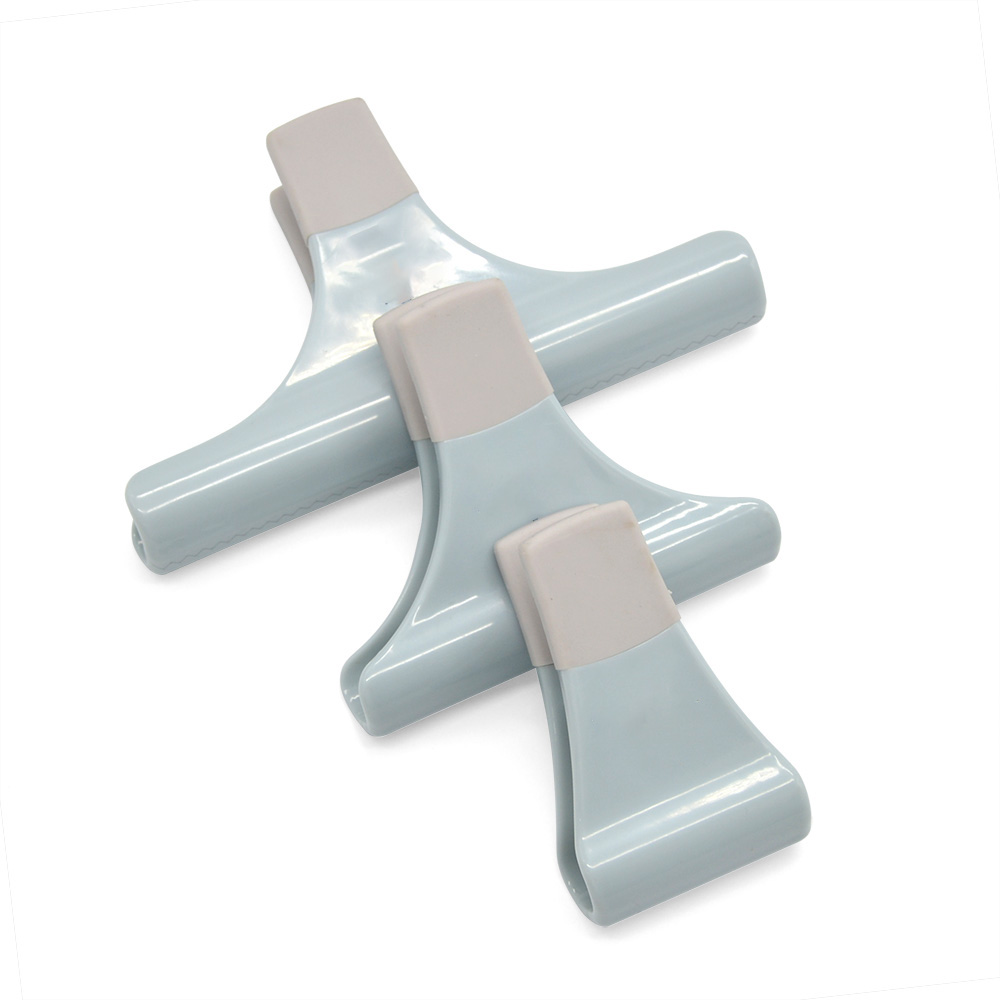
Sealing Clip Factory: Practical B2B Sourcing Guide
For businesses that pack, store, transport, or organize goods, a small sealing clip can have an outsized effect on daily operations. Sealing clips are commonly used to help close bags, manage hoses, bundle cables, or support packaging tasks where a repeatable closure is needed. A sealing clip factory may supply standard clips for regular use or develop custom sealing clips for a specific product, workflow, or branding requirement.
This guide explains how B2B buyers can evaluate a sealing clip manufacturer without relying on vague claims. It focuses on sourcing questions, product selection, and practical checks that help purchasing teams compare suppliers more clearly.
Key Takeaways
- A sealing clip factory should be evaluated on fit-for-use performance, consistency, communication, and quality control processes.
- Standard clips can reduce sourcing complexity, while custom sealing clips may be better for unique sizes, shapes, workflows, or branding needs.
- Buyers should ask about available materials, sample procedures, packaging, lead times, and inspection methods instead of assuming specifications.
- Clear drawings, application details, and acceptance criteria help reduce misunderstandings before mass production.
What a Sealing Clip Factory Typically Does
A sealing clip factory produces closure components used across packaging, agriculture, logistics, food handling, household storage, and industrial organization. The original purpose is simple: help keep an opening secured and reduce the risk of leakage, contamination, or disorder during handling. However, the right clip design depends heavily on the application.
Some buyers need a clip that is easy to open and close many times. Others need a closure that holds firmly during shipping or outdoor storage. In some applications, the clip may need to work with bags, soft tubing, hose-like materials, or cable bundles. Because use cases vary, the strongest sourcing conversations begin with the buyer explaining the product being sealed, the operating environment, and the expected handling conditions.
Standard Sealing Clips vs. Custom Sealing Clips
Standard sealing clips are usually the fastest route when existing sizes and shapes already match the application. They can be suitable for general packaging, storage, and distribution tasks. Custom sealing clips are worth considering when a buyer needs a unique length, shape, color, grip profile, logo placement, or integration with an existing packing line.
| Option | Best For | Questions to Ask the Supplier |
|---|---|---|
| Standard sealing clips | Common packaging or storage tasks where an existing design fits | What sizes are available? Can samples be reviewed before order confirmation? |
| Custom sealing clips | Special bag dimensions, branding, workflow needs, or unusual handling conditions | What information is needed for design review? Are drawings, samples, or prototypes required? |
| Material selection | Applications that may involve moisture, outdoor exposure, food areas, or repeated use | Which materials are offered, such as stainless steel or durable plastic, and what are their suitable applications? |
| Packaging and labeling | Wholesale, retail-ready, or warehouse distribution | What packing formats are available? Can carton labels or barcodes be arranged? |
Material and Design Considerations
The source article references sealing clips made with materials such as stainless steel and durable plastic. Buyers should not assume that every supplier offers the same material options, finish, or performance level. Instead, request a clear material description and ask how each option performs in the intended environment.
For example, a clip used in a dry warehouse may not require the same material choice as one exposed to moisture or outdoor handling. A clip used around food packaging may involve additional hygiene or regulatory questions. A clip used repeatedly by workers should be evaluated for comfort, grip, and ease of opening. A clip used for cable or hose management may need a different holding profile than one used for a flexible bag.
Before approving a product, buyers should check whether the clip fits the actual bag, hose, cable, or package. Small differences in thickness, flexibility, and surface texture can affect closure strength. When possible, test samples with real materials rather than relying only on catalog dimensions.
How to Evaluate a Sealing Clip Manufacturer
A capable sealing clip manufacturer should be able to discuss both production and application details. Buyers do not need to demand confidential factory information, but they should expect clear answers about what the supplier can make, how orders are controlled, and how quality issues are handled.
- Define the use case. Share the item being sealed, approximate dimensions, handling frequency, temperature or moisture exposure, and any branding needs.
- Request samples. Test the clip on the actual product and check opening force, closing security, and user comfort.
- Confirm specifications. Ask for drawings, material descriptions, color references, tolerances where relevant, and packaging details.
- Discuss inspection. Ask what checks are performed for dimensions, appearance, function, and packing accuracy.
- Clarify commercial terms. Ask about minimum order quantity, lead time, payment terms, tooling needs for custom designs, and after-sales support.
These steps help prevent the common problem of ordering a clip that looks acceptable in photos but does not perform well in the real workflow.
Custom Sealing Clip Projects: What Buyers Should Prepare
Custom work requires more communication than a standard purchase. A factory may need product samples, a drawing, dimensions, photos of the current packing process, or a description of the problem the clip must solve. If branding is required, provide logo files, color references, and placement expectations early.
For a custom sealing clip, buyers should ask whether the supplier can support prototype review before full production. They should also clarify whether tooling is required, who owns the tooling, and what happens if design changes are needed after trial samples. If the clip must fit automated or semi-automated packaging equipment, the buyer should provide equipment constraints and allow time for testing.
Do not treat custom development as only a design task. It is also a supply-chain task. Packaging format, carton strength, pallet loading, labeling, and shipment method may all influence landed cost and warehouse efficiency.
Quality Checks Before Placing a Wholesale Order
Quality for sealing clips should be defined in practical terms. A buyer may need consistent size, smooth edges, stable color, secure closing force, resistance to cracking under normal use, or clean packaging. The exact criteria depend on the application, so the purchase specification should be written before production starts.
A useful pre-order checklist includes:
- Sample approval based on real-use testing
- Confirmed material and color description
- Agreed dimensions or reference drawings
- Appearance standards, including acceptable surface marks if any
- Functional test method, such as opening and closing checks
- Inner packing, carton quantity, labels, and shipping marks
- Procedure for reporting and resolving nonconforming goods
For larger orders, buyers may also ask whether third-party inspection is possible before shipment. The supplier should be able to explain how products are checked and how records are managed, without the buyer needing to rely on broad promises.
Questions to Ask Before Choosing a Supplier
When comparing factories, the best supplier is not always the one with the longest list of claims. It is the one that understands the application, communicates clearly, and can provide repeatable products that match agreed requirements. Ask practical questions such as:
- Which sealing clip sizes and styles are currently available?
- Can the supplier provide stainless steel, durable plastic, or other material options suitable for the application?
- What information is needed for a custom sealing clip quote?
- Are samples available, and how are sample changes handled?
- What are the expected production lead times for standard and custom orders?
- What inspection steps are used before shipment?
- How are products packed for wholesale or distribution?
FAQ
What industries use sealing clips?
Sealing clips may be used in packaging, agriculture, logistics, food-related storage, household organization, hose closure, and cable management. The correct design depends on the item being secured and the working environment.
When should I choose a custom sealing clip?
Choose a custom option when standard sizes do not fit, when branding is needed, or when the clip must work with a specific product, bag thickness, hose, cable bundle, or packing process.
What should I test in a sample?
Test fit, holding strength, ease of opening and closing, surface finish, user comfort, and compatibility with the actual material being sealed. If the clip will be reused, repeat the open-close cycle several times.
Can I assume all sealing clips are made from the same material?
No. Ask the supplier to confirm available materials and suitable applications. The source article mentions stainless steel and durable plastic, but specific grades, performance data, and compliance requirements should be verified with the supplier.
What information helps a factory quote accurately?
Provide dimensions, application photos, expected order quantity, packaging needs, target use environment, branding requirements, and any samples or drawings available. Clear information usually leads to a more reliable quotation.
