




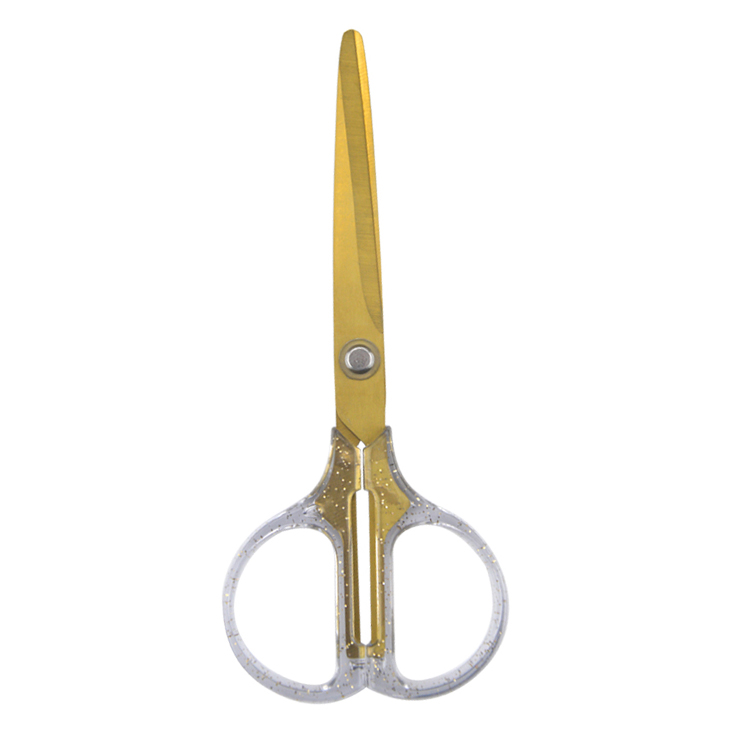
Sharp Stationery Scissors for School, Office and Craft Use
Sharp stationery scissors are simple tools, but choosing the right pair matters when they are used every day in classrooms, offices, homes and craft spaces. A good pair should cut paper cleanly, feel comfortable in the hand and be easy to store safely. For schools, the priorities often include control, durability and protective storage. For office users, clean cutting and dependable performance are usually more important than decorative details. For students and creative users, colors and patterns can also make supplies easier to identify and more enjoyable to use.
The original product description highlights stationery scissors with designs, including color options such as minty turquoise with iridescent blades, blush pink and slate blue variants. It also mentions protective covers, sharp blades, smooth cutting and ergonomic handles. This guide expands on those points with practical selection and use advice, without assuming details that are not stated in the source.
Key Takeaways
- Choose sharp stationery scissors based on the main task: school projects, office paperwork, light crafting or general home use.
- Protective covers are useful for storage in pencil cases, desks, backpacks and shared classroom supply bins.
- Handle comfort matters, especially for students, teachers and hobby users who cut for longer periods.
- Colorful designs can help with identification, organization and student engagement, but cutting quality should come first.
- Before bulk buying, ask the supplier about blade material, age suitability, packaging, replacement policy and any relevant test documentation.
What Makes Stationery Scissors Useful?
Stationery scissors are intended for everyday cutting tasks rather than heavy-duty industrial work. Typical uses include trimming paper, cutting worksheets, preparing labels, opening lightweight packaging, making classroom decorations and completing craft projects. The original article also notes use with paper and light fabrics. Because these tasks require control, a pair of scissors should open and close smoothly and cut without tearing or dragging the material.
Sharpness is important because dull blades force the user to apply extra pressure. That can lead to uneven cuts and fatigue. However, sharpness should be balanced with safe handling, especially in schools. A protective cover can reduce exposure to the blades while the scissors are stored or transported. For young users, teachers and parents should also consider the user’s age, hand size and supervision needs.
Designs, Colors and Protective Covers
Stationery scissors with designs are popular because they make a basic tool easier to recognize and more personal. The source article mentions a New Pattern Cover Stationery Scissors Series and examples such as minty turquoise with iridescent blades, blush pink and slate blue. These visual choices may be helpful in school or shared office settings, where many tools look similar.
Design should not be treated as decoration alone. A cover can help protect the blade edge from contact with other stationery items, and it can reduce accidental contact when the scissors are placed in a school bag or drawer. For buyers selecting scissors for children, check whether the cover fits securely and whether it is easy enough for students to remove without using unsafe force.
How to Choose Scissors for Schools
Schools often buy stationery scissors for repeated use by many students, so the decision should focus on safety, comfort and durability. The original article mentions ergonomic handles for comfortable gripping during longer sessions. That is useful in art classes, homework support, classroom displays and project-based learning.
When sourcing for a school, compare several samples before placing a larger order. Test how they cut standard printer paper, construction paper and other common classroom materials. Check whether left-handed students can use the design comfortably, or whether a separate left-handed option is needed. Also ask how the scissors are packaged, since individual covers or sleeves may make distribution and storage easier.
Office and Home Use Considerations
For office users, scissors are often kept at desks, reception counters, mail areas or shared supply cabinets. They may be used to cut documents, tags, envelopes, light packaging or printed materials. In these environments, a clean cut and reliable grip are usually more important than a bright pattern, although distinct colors can prevent tools from being misplaced.
At home, one pair of stationery scissors may be used for schoolwork, coupons, gift wrapping, simple mending tasks or hobby projects. If the same household includes children and adults, storage becomes important. Keep scissors with covers in a consistent place and avoid mixing craft scissors with kitchen or garden tools. Using the right tool for the right task helps preserve the blade edge.
Comparison Checklist for Buyers
| Selection Point | What to Check | Why It Matters |
|---|---|---|
| Blade performance | Does it cut paper cleanly without tearing? | Clean cutting improves accuracy and reduces hand strain. |
| Handle comfort | Does the grip suit the intended user’s hand size? | Comfort is important for students, teachers and frequent users. |
| Protective cover | Does the cover stay on during storage? | A secure cover supports safer transport in bags and drawers. |
| Design and color | Are colors easy to identify and assign? | Helpful for classrooms, shared workstations and personal kits. |
| Intended materials | Is the scissor suitable for paper, card or light fabric? | Using scissors beyond their intended role can dull or damage them. |
| Supplier information | Can the supplier answer questions about materials, packaging and testing? | Clear answers reduce sourcing risk for schools and bulk buyers. |
Care and Safe Storage Tips
Stationery scissors last longer when they are used and stored properly. Avoid cutting materials that are too thick, sticky or abrasive unless the scissors are designed for that purpose. Adhesive residue from tape or labels can build up on blades and affect performance. Wipe the blades carefully after use, keeping fingers away from the cutting edge.
- Use the protective cover whenever the scissors are stored in a pencil case, backpack or drawer.
- Keep scissors dry to help maintain smooth opening and closing.
- Do not use paper scissors for food, wire, thick plastic or hard packaging.
- Assign scissors by purpose if possible: one pair for paper, another for craft materials.
- Replace scissors if blades become loose, damaged or difficult to control.
Questions to Ask Before Wholesale or School Purchasing
If you are buying stationery scissors for a school, office supply program, retailer or promotional kit, request clear product information before confirming an order. Do not rely only on photos. Ask for samples and test them with the materials your users handle most often. If the scissors are intended for children, ask the supplier which age group the product is designed for and what safety considerations apply.
Useful supplier questions include: What blade material is used? What handle material is used? Is the protective cover included with every pair? Are color options fixed or mixed? What packaging formats are available? Can the supplier provide any relevant test reports or compliance documents for the target market? What is the return or replacement process if a batch has defects? These questions help buyers evaluate risk without assuming specifications that have not been confirmed.
FAQ
Are sharp stationery scissors suitable for children?
They may be suitable when matched to the child’s age, skill level and supervision needs. For school use, buyers should ask the supplier about the intended age group and safety features, including handle shape and protective cover fit.
Why choose scissors with a protective cover?
A cover helps protect the blades during storage and reduces accidental contact when scissors are carried in a bag, pencil case or drawer. It is especially useful in classrooms and shared supply areas.
Can stationery scissors cut fabric?
The source mentions use with light fabrics, but stationery scissors should not be treated as heavy fabric shears. Test on the intended material first and avoid thick or abrasive fabrics unless the product is specified for that use.
Do colorful designs affect performance?
Color and pattern do not guarantee cutting quality. They can help with organization and user preference, but buyers should still check sharpness, smooth movement, handle comfort and cover security.
What should bulk buyers confirm before ordering?
Confirm materials, packaging, cover inclusion, available colors, sample availability, target user age, defect handling and any relevant documentation for the destination market. Avoid assuming certification or performance claims unless the supplier provides evidence.
