




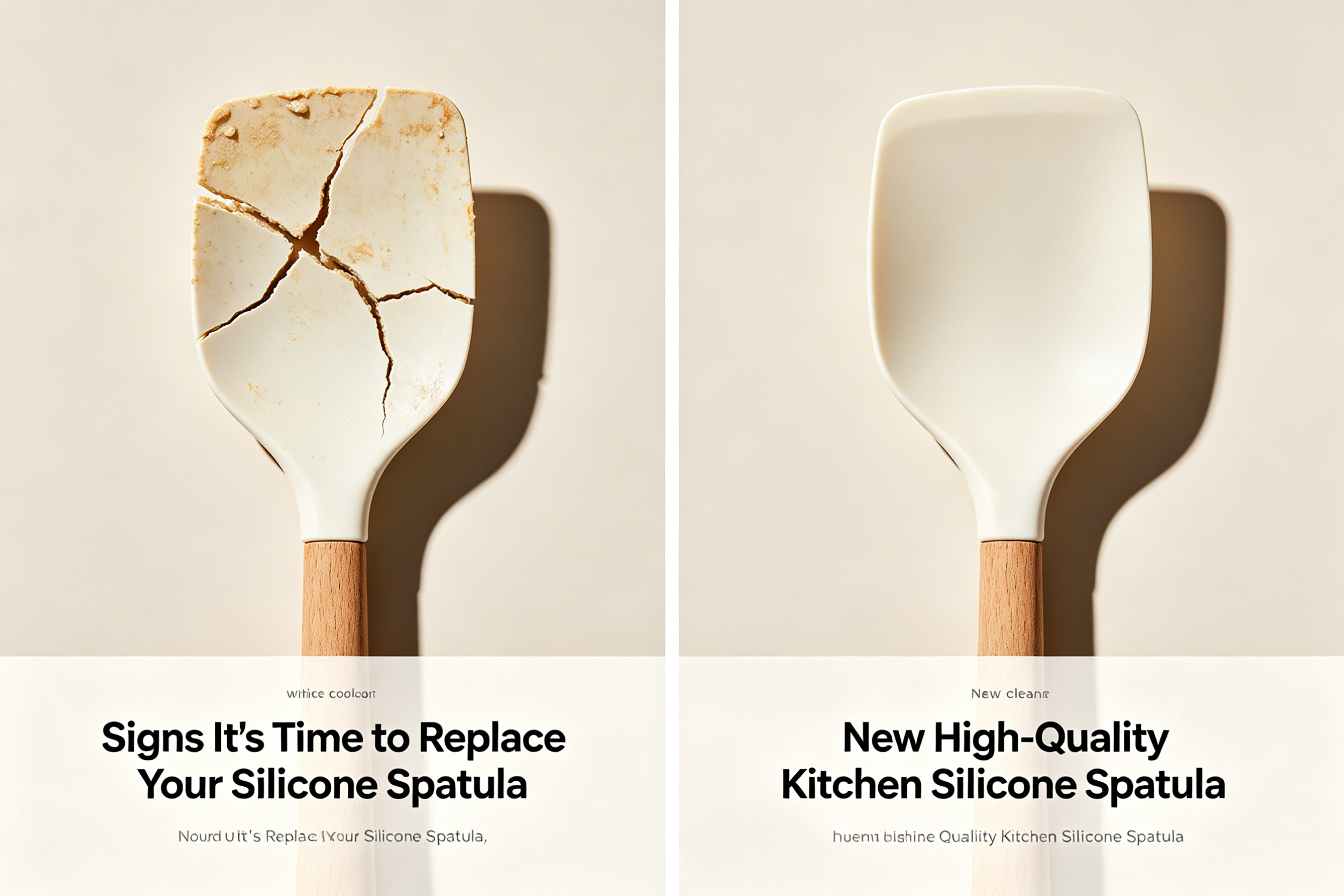
Signs It’s Time to Replace Your Silicone Spatula
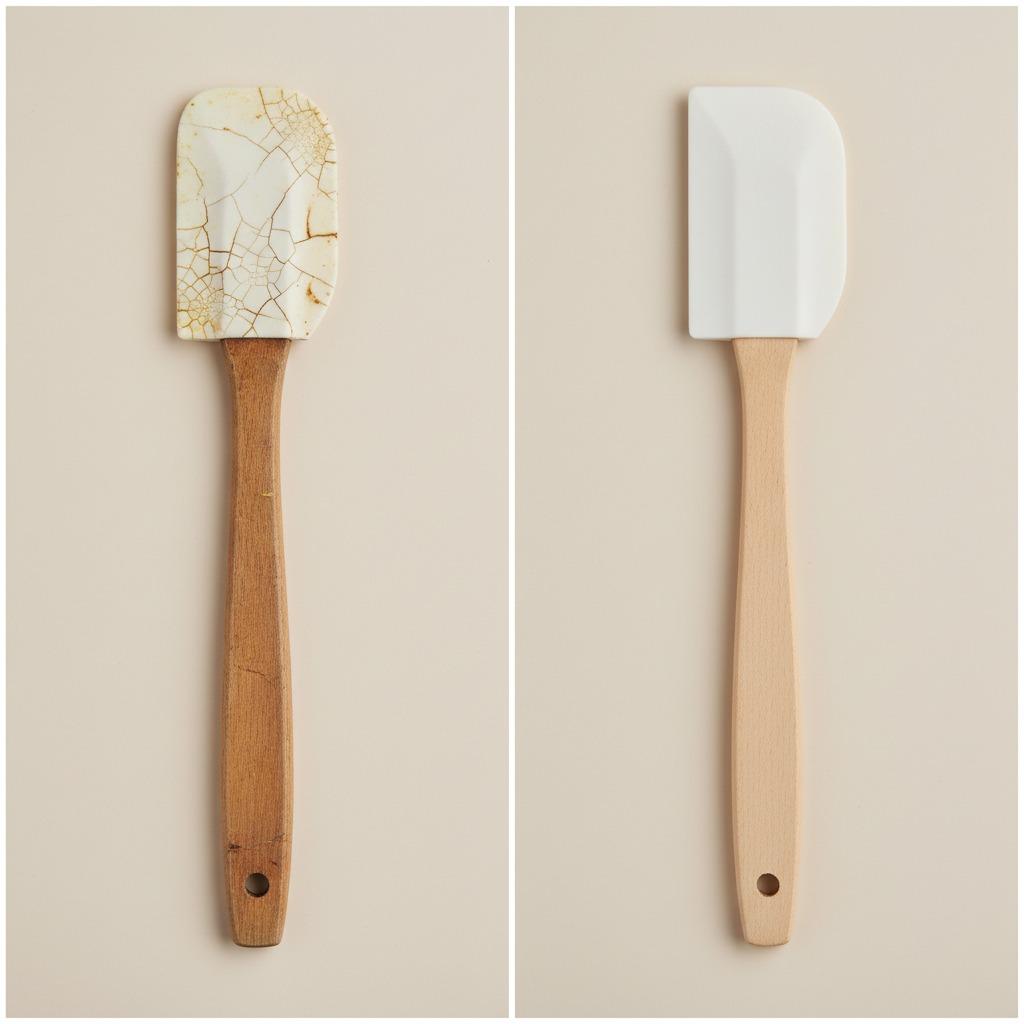
Silicone spatulas are everyday kitchen tools because they are flexible, heat-resistant and gentle on non-stick cookware. They scrape bowls, fold batter, stir sauces and help turn delicate foods without scratching the pan surface. But even useful kitchen silicone tools have a service life. Once the surface is damaged or the shape changes, a spatula can become harder to clean and less reliable during cooking.
Replacing a worn spatula is not about buying more tools than you need. It is about knowing when a tool has stopped doing its job well. The guide below explains the most common warning signs, how to inspect your spatula, and what to consider when choosing a replacement.
Key Takeaways
- Replace a silicone spatula immediately if you see deep cracks, tears, loose parts or melting.
- Persistent odors, heavy staining and poor scraping performance can signal material wear.
- Inspect frequently used spatulas more often, especially if they contact hot pans every day.
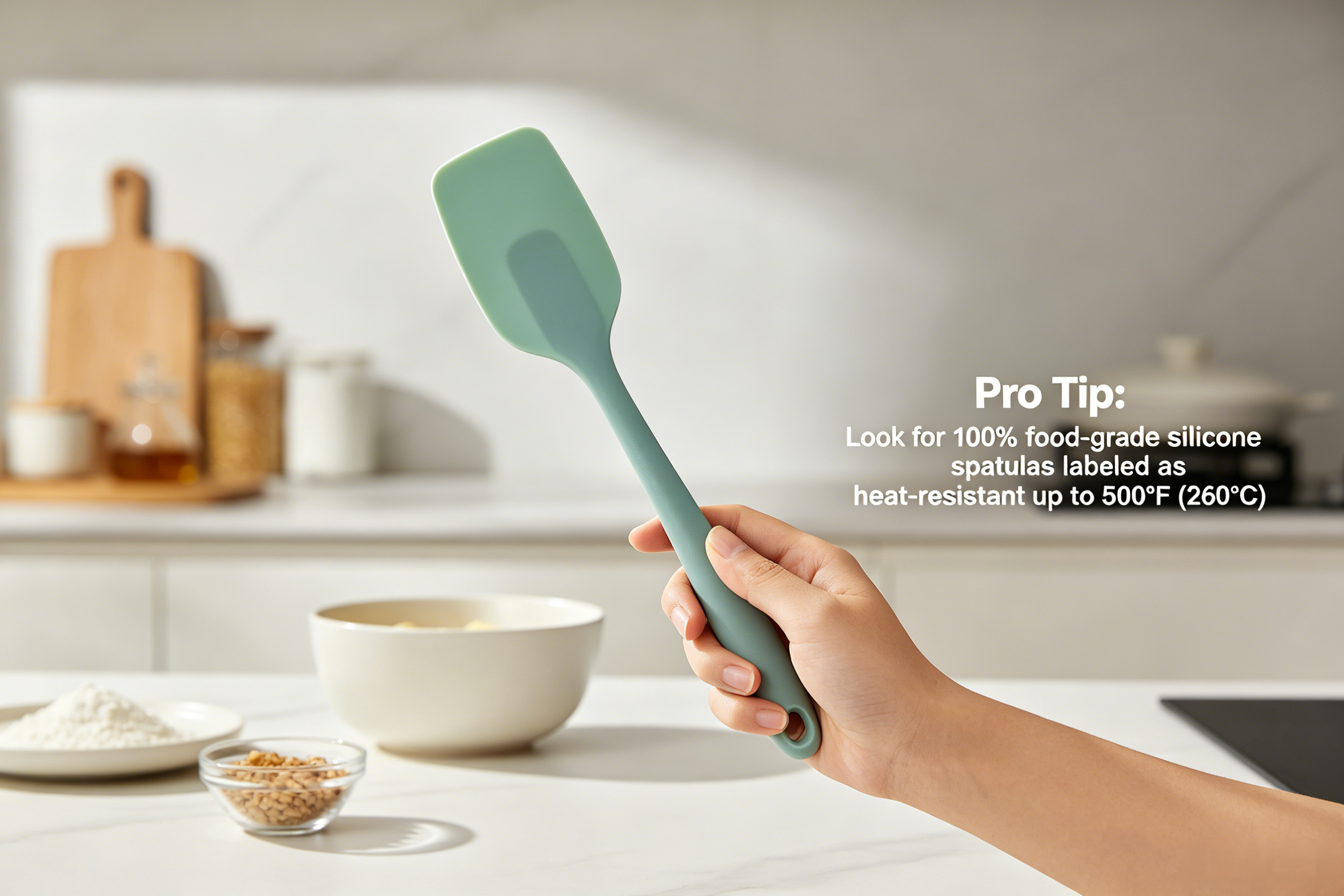
- When buying a new spatula, check the supplier’s stated heat rating, material information and care instructions instead of assuming all silicone tools are the same.
1. Cracks, Tears or Split Edges
The clearest replacement sign is visible surface damage. Small cuts on the edge may look harmless, but they can trap food residue and make thorough cleaning difficult. Deep cracks, frayed edges or a split spatula head are stronger warnings because the tool may continue to break down during use.
Run a clean finger along the edge and both sides of the head. If you feel rough lines, peeling areas or separation in the silicone, it is time to retire the spatula. This is especially important for tools used with sticky dough, sauces or raw ingredients, where residue can settle into damaged areas.
2. Warping, Melting or Loss of Shape
A good spatula should return to its original shape after normal bending. If the blade stays curled, the tip droops, or the edge no longer lies flat against a bowl or pan, it will not scrape efficiently. Warping can happen when a spatula rests against a hot pan, sits too close to a burner, or is used beyond the heat conditions recommended by the manufacturer.
Melting marks are more serious. Glossy patches, bubbled texture or flattened spots usually mean the surface has been exposed to too much heat. Once that happens, do not keep using the tool for food preparation. Replace it and review your cooking habits, such as leaving the spatula in a hot pot or laying it on the rim of a pan.
3. Stains That Do Not Wash Away
Some staining is normal with tomato sauces, turmeric, chili oil and other strongly colored foods. Light color changes do not always mean the spatula is unsafe. However, heavy discoloration, dark burn marks or yellowing combined with surface roughness can indicate that the material has aged or absorbed oils and flavors.
After washing, inspect the spatula in good light. If the color is uneven, the surface feels tacky, or food stains keep returning after normal cleaning, consider replacing it. For future care, rinse the spatula soon after cooking with oily or strongly colored ingredients, then wash according to the maker’s care guidance.
4. Lingering Odors After Cleaning
A spatula that smells like garlic, curry, fish or burnt oil after washing can transfer unwanted flavors to the next dish. Odor retention may be more noticeable when making mild foods such as whipped cream, pancakes, eggs or cake batter. If washing and airing the tool out do not remove the smell, the spatula may be too worn for dependable use.
To test it, wash the spatula as usual, let it dry completely, then smell the head and the handle connection area. If a strong odor remains, replace it. In the future, avoid storing spatulas while damp and clean around seams or handle joints where residue may collect.
5. Changes in Flexibility and Cooking Performance
Silicone spatulas work well because they balance flexibility with control. If a spatula becomes brittle and stiff, it may crack under pressure. If it becomes overly floppy, it may no longer lift food or scrape a bowl properly. Either change can make cooking more frustrating and less precise.
Performance signs are easy to notice during regular use: batter stays on the bowl wall, sauce is left behind in the pan, or food sticks to the edge more than before. If cleaning is harder and performance is worse, the surface may be worn. At that point, replacement is usually more practical than trying to restore the tool.
6. Loose Handles or Head Separation
Any movement between the head and handle deserves attention. A loose connection can trap water and food particles, and it may fail while stirring a thick mixture. Cracked handles, exposed inner parts, or separation between the silicone head and the handle are all signs that the spatula should be taken out of service.
If you prefer easier cleaning, consider looking for a one-piece design when you shop for a replacement. If you choose a two-piece design, check how the head attaches, whether the joint is smooth, and what cleaning method the supplier recommends.
Quick Checklist: Keep Using or Replace?
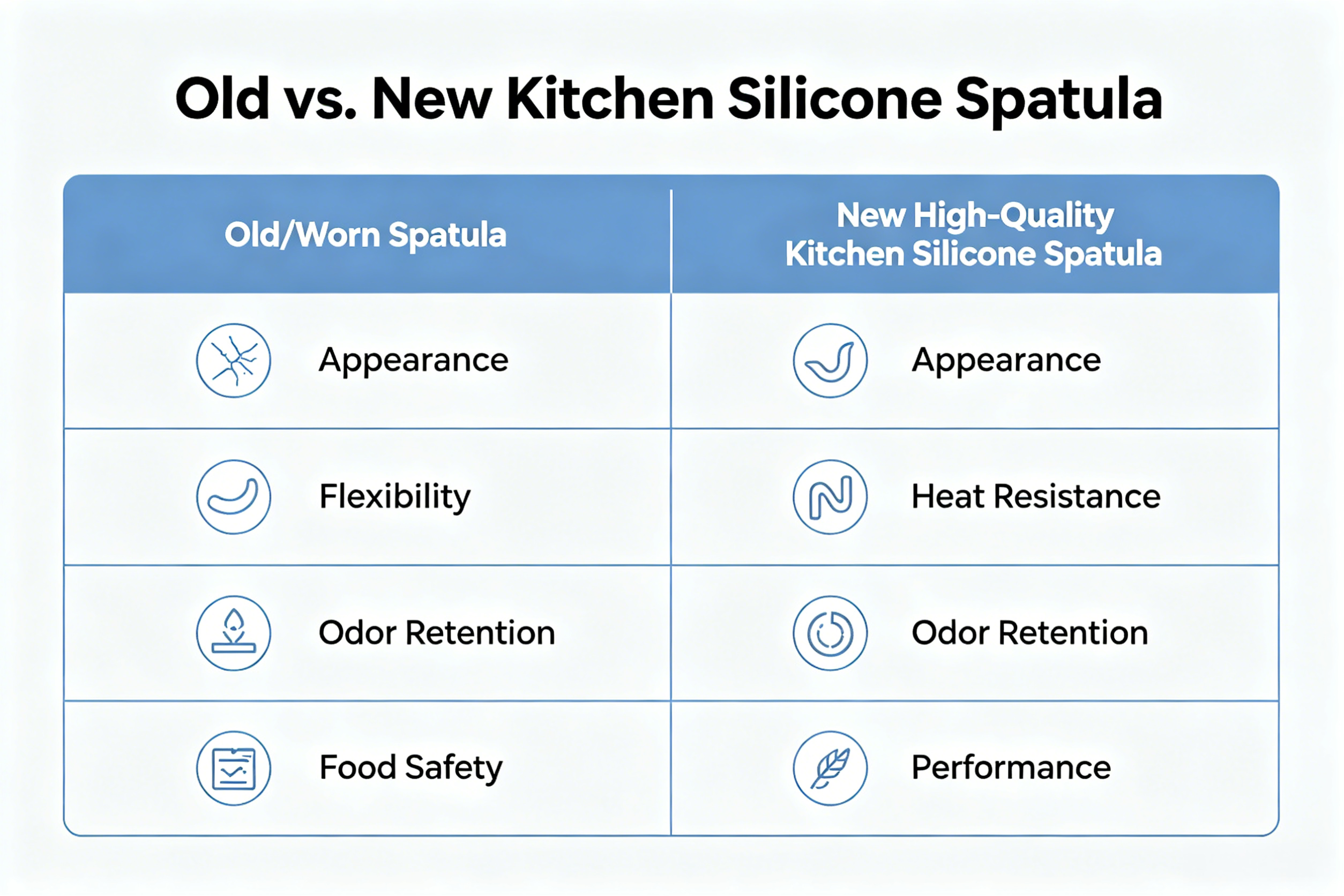
| Inspection Point | Usually OK to Keep Using | Replace the Spatula |
|---|---|---|
| Surface | Smooth surface with no cuts | Cracks, tears, peeling or split edges |
| Shape | Returns to normal after bending | Warped, curled, melted or bubbled areas |
| Color | Light cosmetic staining only | Heavy stains, burn marks or tacky feel |
| Odor | No smell after washing and drying | Strong food or burnt odor remains |
| Flexibility | Flexible but controlled | Brittle, cracked, overly soft or floppy |
| Handle | Firm handle or secure head connection | Loose head, cracked handle or trapped residue |
How Often Should You Replace a Silicone Spatula?
There is no single replacement schedule for every kitchen. A spatula used once a week for baking may last much longer than one used daily for hot stir-fries and sauces. As a practical habit, inspect frequently used silicone spatulas every few months and check less-used tools before major cooking or baking sessions.
The original guidance for regular use is often one to three years, but condition matters more than the calendar. Replace the tool immediately if you see serious damage, melting, a loose head or persistent odor. If it still looks smooth, cleans well and performs properly, continue using it while monitoring for changes.
Choosing a Better Replacement
When selecting a new silicone spatula, focus on information that can be verified. Look for clear labeling or supplier details about the intended use, heat resistance, care method and whether the tool is suitable for the cookware you use. If those details are not shown, ask before buying.
- Check the stated heat rating and avoid using the spatula beyond it.
- Choose a size and blade shape that matches your main tasks, such as scraping jars, folding batter or stirring sauces.
- Inspect the handle design for comfort, grip and easy cleaning.
- Review care instructions for dishwasher use, storage and stain prevention.
- Avoid tools with rough seams, visible defects or weak connections.
Simple Care Tips to Extend Tool Life
Good habits help silicone kitchen tools last longer. Do not leave a spatula resting in a hot pan for long periods. Keep it away from open flames and exposed heating elements. Wash it soon after contact with oily, strongly colored or strongly scented foods. Dry it fully before storage, especially if the design has a joint between the head and handle.
Store spatulas in a drawer or utensil holder where sharp knives and metal tools will not cut the edges. If you notice small damage, move the spatula to non-food tasks or dispose of it according to your local waste guidance rather than continuing to cook with it.
FAQ
Can a stained silicone spatula still be used?
Light staining alone is often cosmetic. Replace it if staining comes with a sticky surface, odor, cracking, burn marks or poor cleaning results.
Is a melted spot a reason to throw it away?
Yes. Melting or bubbling suggests heat damage. Stop using the spatula for food preparation and replace it.
Why does my spatula smell even after washing?
Strong foods and oils can cling to worn or rough surfaces. If the smell remains after thorough washing and drying, replacement is the practical choice.
Should I buy a one-piece or two-piece spatula?
Both can work, but a one-piece design may reduce places where residue collects. For any design, check that the handle is secure and easy to clean.
What should I ask a supplier before buying silicone spatulas?
Ask for the stated heat rating, intended food-contact use, care instructions, material information, packaging details and any test or compliance documents they can provide for your market.
