




Soft Grip Scissors: Comfort, Control and Sourcing Tips
Soft grip scissors are a simple product, but the right pair can make daily cutting tasks easier, cleaner and more comfortable. For offices, schools, craft users and private-label buyers, the main value is not only sharp blades. It is the combination of a secure handle, balanced control and reliable cutting performance across common materials.
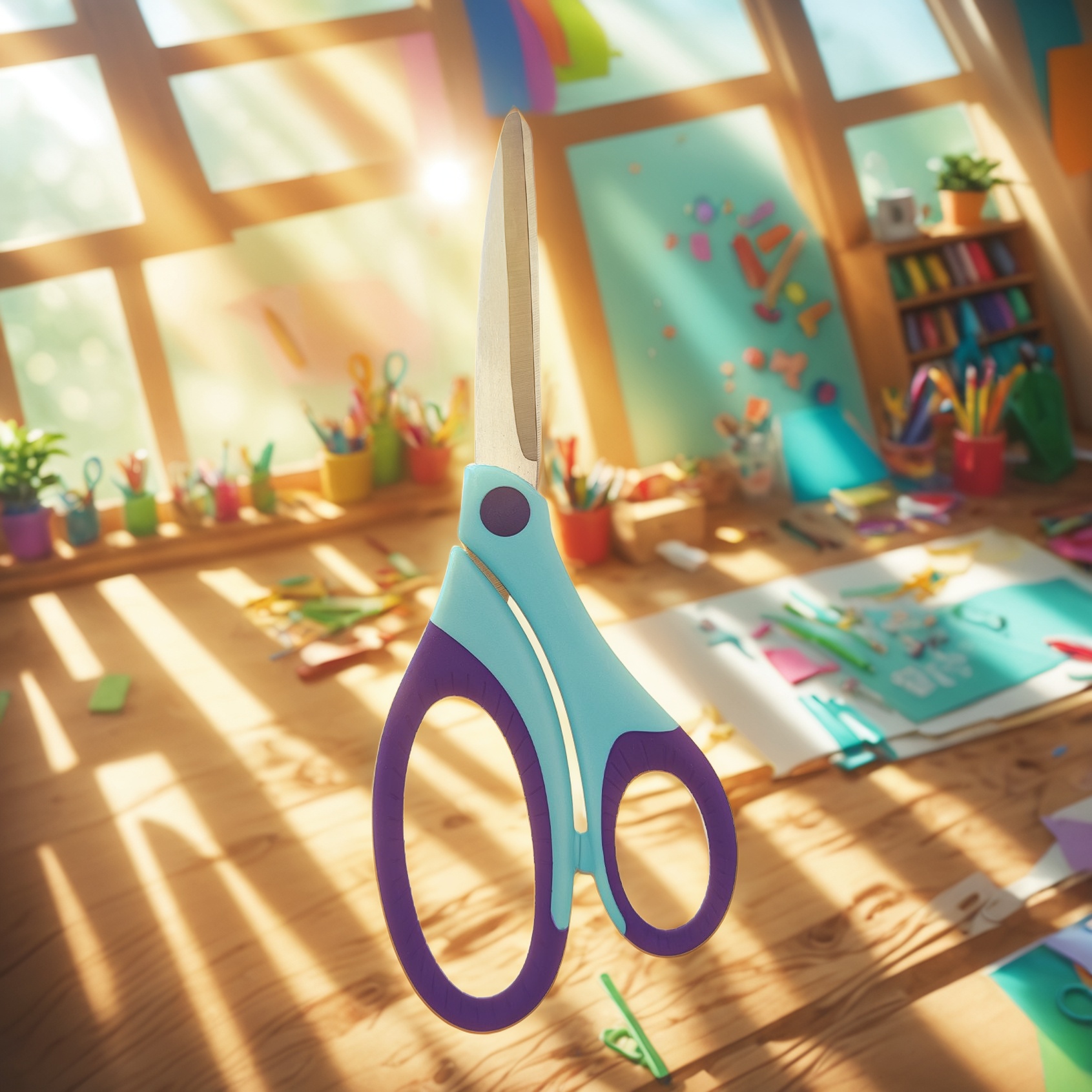
The original article highlighted the Vibrant Precision Scissors with turquoise and purple handles, a soft-touch grip, an ergonomic handle shape and stainless steel blades. Those details matter because scissors are often used repeatedly, sometimes for long sessions. A handle that slips, pinches or forces the wrist into an awkward position can turn a basic tool into a source of fatigue.

Key Takeaways
- Soft grip scissors are useful when comfort and control are as important as cutting sharpness.
- Ergonomic handle design should reduce slipping and help the hand stay relaxed during repeated cuts.
- Stainless steel blades are mentioned in the source article, but buyers should still ask suppliers about blade thickness, edge finish and intended materials.
- For OEM scissors, confirm customization scope, packaging options, quality checks and sample approval before placing a bulk order.
- Consumers should match scissors to the material they cut most often, rather than choosing by color alone.
Why Soft Grip Scissors Matter
A pair of scissors may look easy to evaluate, yet performance depends on several small details working together. The handles should allow a stable hold without forcing pressure points on the fingers. The pivot should open and close smoothly. The blades should meet evenly from base to tip so paper, packaging or light craft materials cut cleanly instead of bending or tearing.
Soft grip handles are especially useful for people who cut frequently. Office teams may use scissors for documents, envelopes, packaging and labels. Crafters may work on paper, ribbon or fabric for longer periods. In these situations, a cushioned grip can help reduce discomfort caused by hard plastic handles. It can also improve control, which is important for curved cuts, small patterns and detailed trimming.
Understanding Ergonomic Scissors Design
An ergonomic scissors design focuses on how the tool fits the hand during real use. The handle openings should feel natural for the intended user group. A larger opening can help users with bigger hands or those who prefer a looser grip. A smaller opening may give better control for detail work. The handle surface should provide traction without feeling sticky or rough.
The source article notes that the soft-touch material helps prevent slippage and provides a cushioned grip. That is a practical benefit, but buyers should still test the feel with dry hands and, if relevant, slightly damp hands. A grip that feels comfortable for a short product photo session may not feel the same after repeated cutting.
Balance also matters. If the handle is too heavy compared with the blades, the scissors may feel clumsy. If the blades are too heavy, the tool can pull forward and reduce precision. For retail or wholesale programs, sample testing with actual users is one of the simplest ways to identify comfort issues before a larger purchase.
Blade Performance and Material Questions
The original content states that the scissors use stainless steel blades designed for sharpness and longevity. Stainless steel is common in household and office scissors because it can provide a clean edge and is generally easy to maintain. However, buyers should avoid assuming details that are not provided. Material grade, hardness, coating, edge angle and corrosion test results should be confirmed directly with the supplier if they are important to your market.
For everyday use, evaluate whether the blades cut cleanly through the materials your customers use most often. Paper, thin cardboard, ribbon and light fabric do not behave the same way. A blade that performs well on standard copy paper may not be ideal for thicker packaging or fabric layers. If the product is intended for craft channels, ask for samples and test straight cuts, curved cuts and small detail cuts.
Comparison and Selection Checklist
| Selection Point | What to Check | Why It Matters |
|---|---|---|
| Grip comfort | Handle softness, opening size and finger pressure points | Helps reduce fatigue during repeated use |
| Control | Non-slip feel and balanced weight | Supports accurate cuts on detailed work |
| Blade action | Smooth opening, even blade contact and clean tip closure | Reduces tearing, snagging and uneven edges |
| Material fit | Performance on paper, packaging, ribbon or fabric | Ensures the scissors match the intended use |
| OEM readiness | Color, branding, packaging and sample approval options | Helps buyers build a consistent private-label product |
Guidance for OEM and Wholesale Buyers
If you are sourcing OEM scissors for a private-label range, start with the user and channel. A school supply product, a craft product and an office product may require different packaging, handle sizes and blade expectations. The source article mentions customization opportunities such as company colors and branding, but it does not provide commercial terms. Treat those details as questions to clarify, not assumptions.
Useful supplier questions include:
- Which handle colors and branding methods are available for this scissors model?
- Can packaging be customized for retail, e-commerce or wholesale cartons?
- What materials are the scissors intended to cut, and what materials are not recommended?
- What sample process is available before bulk production?
- Which quality checks are performed for blade alignment, handle finish and cutting performance?
- Are there documentation requirements for the destination market that the buyer must specify?
For B2B sourcing, avoid judging only by product appearance. Bright turquoise and purple handles can help a product stand out, but repeat orders usually depend on consistent comfort, cutting reliability and packaging accuracy. Request samples from the same production route intended for the final order where possible, and document approved colors, artwork and packaging details.
Use and Care Tips for End Users
For consumers, soft grip scissors last longer when they are used for the right tasks. Keep a dedicated pair for paper and office use instead of cutting adhesive tape, wire, hard plastic or heavy cardboard unless the supplier says the scissors are suitable for those materials. Sticky residue can affect blade movement, while hard materials can dull or damage the edge.
Wipe the blades after cutting materials that leave dust or adhesive. Store scissors closed and dry, away from loose drawers where the tips may be damaged. If the pivot begins to feel stiff, check whether debris is trapped near the screw or joint. Do not force the blades through materials that resist cutting; that can bend the blades out of alignment and reduce accuracy.
FAQ
What are soft grip scissors best used for?
They are best for users who want more comfort and control during everyday cutting tasks such as office work, school projects, crafts and light household use.
Are soft grip scissors better than standard scissors?
They can be better for repeated use because the handle is designed to feel cushioned and secure. Cutting performance still depends on blade quality, alignment and suitability for the material.
Can these scissors be used for fabric?
The original article mentions paper, fabric and other materials, but buyers should test samples on the specific fabric type and thickness before marketing them as fabric scissors.
What should OEM buyers confirm before ordering?
Confirm available colors, branding options, packaging, sample approval, intended use, quality checks and any market documentation requirements. Do not assume MOQ, pricing or certifications without supplier confirmation.
How should soft grip scissors be maintained?
Keep the blades clean and dry, store them closed, avoid cutting unsuitable hard materials and remove adhesive residue after use.
Final Buying Advice
Soft grip scissors are worth considering when comfort, precision and repeat use are central to the buying decision. For consumers, the best choice is the pair that fits the hand well and cuts the intended materials cleanly. For wholesale and OEM buyers, the strongest sourcing approach is to combine product samples, user testing and clear supplier questions before confirming a private-label order.
