




Spiralizer Manufacturing: Practical B2B Sourcing Guide
Spiralizers and multifunction vegetable preparation tools have become familiar products in home kitchens, meal-prep businesses and retail kitchenware assortments. For buyers, however, spiralizer manufacturing is not only about choosing an attractive tool. It involves checking how the product is designed, how blades and plastic parts are assembled, how easy the tool is to clean, and whether the supplier can provide consistent quality over repeated orders.
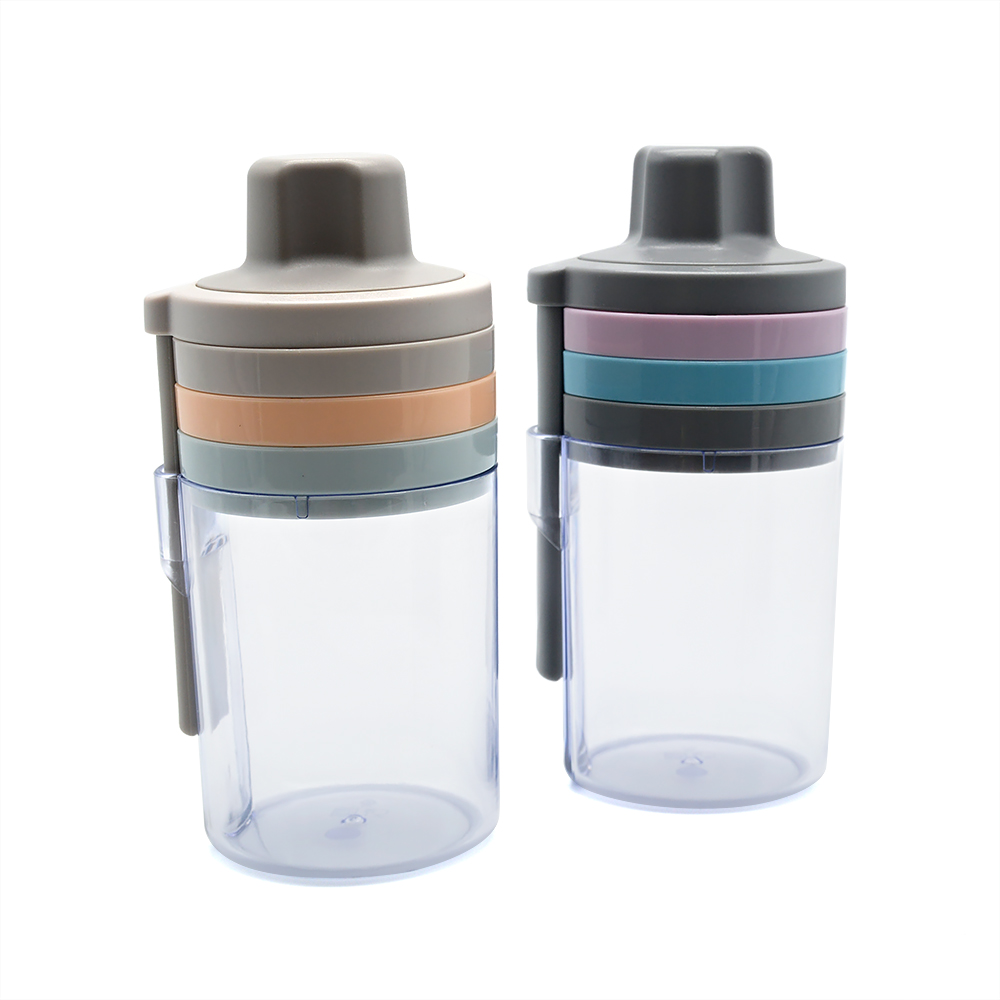
The original product discussed is a 3-in-1 vegetable chopper and grater with a transparent container, compact form and interchangeable color-coded discs. Explicitly described features include rust-resistant stainless steel blades, three grating options in grey, pink and blue, an ergonomic non-slip handle and dishwasher-safe components. These details are useful starting points, but B2B buyers should still verify every commercial, technical and compliance requirement directly with the supplier before placing an order.
Key Takeaways
- Spiralizer manufacturing should be evaluated through product design, blade quality, assembly consistency, cleaning convenience and packaging durability.
- For a 3-in-1 vegetable chopper and grater, confirm the purpose of each disc, container fit, handle grip and blade attachment method with the supplier.
- Do not assume MOQ, material grade, certification, test reports or delivery time; request documents and samples for verification.
- A strong sourcing process includes sample testing, inspection criteria, packaging review and written agreement on replacement handling.
What Spiralizer Manufacturing Includes
A spiralizer factory typically coordinates several production stages: product design review, mold development or maintenance, plastic part forming, blade preparation, component assembly, inspection and packing. In products such as a vegetable chopper and grater, the user experience depends on how these stages work together. A sharp blade is not enough if the container does not lock securely, the handle slips, or the discs are difficult to remove for cleaning.
Buyers should ask how the factory controls component fit across batches. Interchangeable parts, such as color-coded grating discs, must remain consistent so that replacement or additional parts match the main body. If the item is intended for wholesale, retail or private-label programs, small differences in color, fit or finish can create after-sales issues.
Product Features to Confirm Before Sourcing
The described product combines vegetable chopping and grating functions with a transparent container for monitoring food preparation. A compact design is also mentioned, which is relevant for consumers with limited kitchen storage. These are practical product advantages, but buyers should convert them into measurable questions during sourcing.
- What are the dimensions and weight of the complete product and each disc?
- How does the transparent container attach to the cutting or grating body?
- What vegetables, cheeses or other foods are demonstrated in supplier testing?
- Are the stainless steel blades described as rust-resistant supported by material information or internal test records?
- Which components are dishwasher-safe, and under what washing conditions?
- How are the grey, pink and blue discs packed, labeled and protected from damage?
For consumer-facing packaging, the supplier should also provide clear use-and-care instructions. This is especially important for sharp kitchen tools, where safe handling, cleaning and storage should be communicated plainly.
Comparison Checklist for Supplier Evaluation
| Evaluation area | What to check | Questions to ask the supplier |
|---|---|---|
| Blade system | Sharpness, attachment, rust resistance and safety during use | What blade material is used, and can you provide supporting documentation? |
| Interchangeable discs | Fit, color consistency and function of grey, pink and blue discs | What cutting or grating result is each disc designed to produce? |
| Container design | Transparency, locking fit, capacity and ease of emptying | Can samples be tested with common vegetables and cheese? |
| Handle and grip | Ergonomic shape and non-slip handling | How is grip performance checked during production inspection? |
| Cleaning | Dishwasher-safe components and access to trapped food areas | Which parts are dishwasher-safe, and are there temperature limits? |
| Packaging | Retail protection, carton strength and instruction clarity | Can you provide packaging drop-test information or recommend safer packing? |
Quality Control Points in a Spiralizer Factory
Quality control for vegetable spiralizer production should focus on repeatable performance. A buyer can request a pre-production sample, then compare bulk goods against that approved sample. Important checks include blade alignment, disc locking, container fit, handle stability, surface finish, color matching and packing condition. If the product includes several parts, the inspection should confirm that every set contains the correct accessories.
For the described 3-in-1 tool, buyers may create a simple functional test: grate a firm vegetable, slice a softer vegetable, test the container attachment, remove and reinstall each disc, then wash selected parts according to the supplier's instructions. This does not replace professional laboratory testing where required, but it helps identify everyday usability issues before a large shipment is approved.
OEM and Wholesale Sourcing Questions
If the order is for OEM, private label or wholesale distribution, commercial details should be documented before production begins. Avoid relying on assumptions from a catalog page. Ask the supplier to confirm available customization, packaging options, lead time, payment terms, inspection arrangement, spare parts policy and after-sales support. If your market requires specific food-contact documentation or labeling, request the relevant documents and have them reviewed by a qualified party.
Buyers should also clarify ownership of artwork, barcode placement, instruction language and carton markings. For mixed shipments, confirm whether the factory can pack multiple colors or disc sets accurately. For repeat orders, ask how color consistency and component compatibility will be maintained over time.
Packaging, Instructions and User Experience
Good packaging does more than make a product look organized. It protects sharp components, keeps discs from rubbing against each other and helps users understand the product quickly. A compact chopper and grater with several discs should include clear diagrams showing how to install, remove, clean and store each part. This reduces customer confusion and may lower return rates.
Retail buyers should review packaging samples under realistic conditions. Check whether the transparent container scratches easily in transit, whether the blades are safely covered, and whether the instruction sheet explains safe handling. If the product will be sold online, consider whether the packaging can survive parcel delivery rather than only palletized freight.
Practical FAQ
What should I request before ordering from a spiralizer factory?
Request product samples, full quotations, packaging details, material information, available test or compliance documents, production lead time, inspection options and the supplier's policy for defective goods.
How can I compare similar vegetable spiralizers?
Compare actual cutting performance, blade condition after washing, ease of disc change, container stability, handle grip, cleaning effort and packaging protection. Do not compare only appearance or unit price.
Are dishwasher-safe claims enough for sourcing decisions?
No. Ask which parts are dishwasher-safe and under what conditions. If dishwasher performance is important for your market, include it in sample testing and supplier documentation review.
What details should be confirmed for private-label orders?
Confirm logo method, packaging artwork, instruction language, barcode placement, carton marks, order quantity, lead time and whether the supplier can keep the same components for future repeat orders.
How do I reduce risk before mass production?
Approve a final sample, write clear specifications, define acceptable quality criteria, arrange inspection when appropriate and keep all packaging, labeling and accessory requirements in the purchase order.
