




Spiralizer Manufacturing: Practical Sourcing Guide for Kitchenware Buyers
Spiralizers have moved from niche kitchen gadgets to familiar food-prep tools used for vegetable noodles, salads, garnishes, and fast meal preparation. For retailers, distributors, private-label brands, and hospitality suppliers, the challenge is not simply finding a product that looks appealing. The real task is understanding how spiralizer manufacturing affects usability, durability, packaging, quality control, and long-term customer satisfaction.
The original idea is straightforward: transform vegetables into spirals, shreds, ribbons, or slices. In production, however, the details matter. Blade design, material selection, handle comfort, container fit, color options, and assembly consistency all influence whether the final product performs well. This guide explains what buyers should review when evaluating a spiralizer factory or supplier, especially for OEM, wholesale, or private-label sourcing.
What Spiralizer Manufacturing Usually Involves
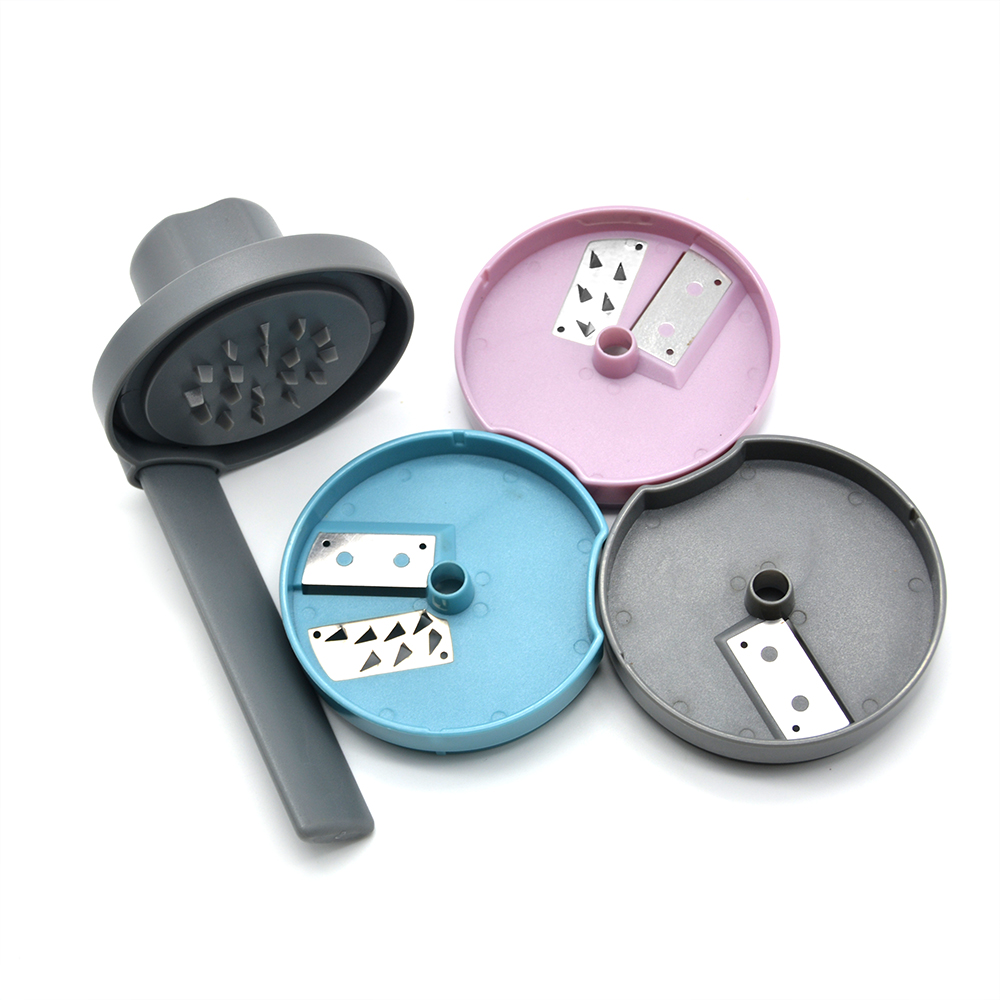
Spiralizer manufacturing combines kitchen tool design, blade production, plastic or metal component forming, assembly, and inspection. Some products are simple handheld cutters, while others are multi-functional vegetable slicer and dicer sets with interchangeable plates. The original article referenced products using stainless steel and plastics, as well as pastel blue, pink, and gray plates for varied slicing needs. When sourcing, buyers should confirm the exact materials, colors, and blade configurations available for the specific model under consideration.
A factory may handle all production steps internally or subcontract certain processes, such as blade stamping, injection molding, printing, or retail packaging. Neither approach is automatically better, but buyers should ask how the supplier controls quality across each step. Consistent dimensions are especially important because removable blades and plates must fit securely and safely.
Key Product Features to Evaluate
Before comparing quotations, define the product type and user scenario. A compact spiralizer for home use has different priorities than a larger prep tool intended for frequent commercial kitchen use. Consider whether your target customer values compact storage, fast cleaning, multiple cutting options, or a stable base.
- Blade and plate options: Ask what cuts are available, such as fine shreds, ribbons, slices, or chunkier cuts.
- Material details: Confirm the grade or type of stainless steel and plastic rather than relying on general descriptions.
- Safety design: Review finger guards, non-slip elements, blade storage, and how sharp components are handled during cleaning.
- Ease of use: Check whether parts are intuitive to assemble, remove, and wash.
- Packaging: Confirm carton strength, retail box layout, instructions, barcode needs, and language requirements.
- Color and branding: Ask which colors are standard and which require custom production.
Comparison Checklist for Spiralizer Suppliers
A supplier comparison should go beyond unit price. Low pricing can be offset by weak packaging, inconsistent fit, missing accessories, or unclear after-sales support. Use a structured checklist during sample review and supplier discussions.
| Evaluation Area | What to Check | Questions to Ask the Supplier |
|---|---|---|
| Product construction | Blade fit, plate stability, handle strength, container alignment | Which components are made in-house and which are outsourced? |
| Materials | Metal and plastic details, color consistency, surface finish | Can you provide material specifications for this exact model? |
| Cutting performance | Fine shreds, slices, spirals, and consistency across samples | What vegetables are used for internal performance checks? |
| Safety and usability | Blade storage, finger protection, grip, cleaning process | What safety features are included, and are they optional? |
| OEM and branding | Logo placement, packaging design, instruction manual options | What customization choices are available and what affects lead time? |
| Quality control | Incoming checks, assembly inspection, final carton inspection | What inspection steps are used before shipment? |
How to Review Samples Before Ordering
Samples are essential in vegetable spiralizer production because small differences in blade sharpness, molding precision, and assembly can change the user experience. Request samples that match the proposed production version, not only a showroom sample. If colors, blades, packaging, or accessories differ from the final order, document those differences clearly.
Test samples with common vegetables of different sizes and firmness, such as zucchini, carrot, cucumber, potato, or beetroot. Check whether the tool cuts smoothly, whether food gets stuck, and whether the user must apply excessive force. After repeated use, inspect the blades, clips, hinges, containers, and any removable plates. Also review cleaning time, as complicated parts may increase consumer complaints.
- Photograph the sample and accessories when received.
- Record the product weight, dimensions, and included parts.
- Test each blade or plate with several vegetables.
- Wash and dry the tool, then check for trapped food or difficult corners.
- Compare the sample against the quotation, packaging artwork, and instruction sheet.
Questions to Ask a Spiralizer Factory
For B2B sourcing, clear questions reduce misunderstandings. Avoid assuming that every supplier offers the same customization, inspection process, or documentation. Instead, ask for details tied to the exact product you plan to buy.
Useful questions include: What materials are used for each food-contact component? Are interchangeable blades included as standard or optional accessories? Which colors are available without custom tooling? Can the supplier support private-label packaging? What are the sample costs, production lead times, and order requirements? What inspection reports or internal checks can be shared? How are sharp components packed to reduce damage during transport? If compliance documentation is needed for your market, ask what the supplier can provide and whether third-party testing is required.
Balancing Cost, Quality, and Market Fit
A spiralizer does not need the highest possible specification to be a good product; it needs the right specification for the buyer's market. A discount retailer may prioritize simple operation and protective packaging. A kitchenware brand may need stronger visual design, better instructions, and more accessory options. A food-service distributor may care more about durability and fast cleaning.
When comparing offers, separate fixed product features from negotiable options. For example, blade count, color plates, retail box design, and bundled accessories may all affect price and lead time. Ask suppliers to quote the same configuration so the comparison is fair. If a Multi-Functional Vegetable Slicer Dicer Set is being considered, confirm exactly which plates and functions are included rather than relying on a broad product name.
Key Takeaways
- Spiralizer manufacturing quality depends on blade design, material consistency, assembly accuracy, and practical usability.
- B2B buyers should test production-matched samples before confirming OEM, wholesale, or private-label orders.
- Supplier evaluation should include packaging, inspection methods, customization options, and after-sales communication.
- Do not rely on generic claims; ask for material details, product configuration, and documentation for the exact model.
FAQ
What should buyers check first when sourcing a spiralizer?
Start with the intended product configuration: handheld, countertop, or multi-functional set. Then confirm blade options, included accessories, materials, packaging, and whether the sample matches the planned production version.
Are interchangeable blades important?
They can add versatility, especially for products marketed for different cutting styles. Buyers should check that blades are secure, easy to change, and safely stored when not in use.
How can I compare two spiralizer factory quotations?
Ask both suppliers to quote the same materials, colors, blade count, packaging, logo requirements, and inspection expectations. Otherwise, a lower price may reflect a different product configuration.
Should I request compliance documents?
If your destination market or sales channel requires documentation, ask the supplier what they can provide for the exact product. Do not assume certifications or test results exist unless they are shared and verified.
What causes common quality problems in spiralizers?
Common issues include loose-fitting plates, dull or inconsistent blades, weak clips, hard-to-clean corners, poor instructions, and packaging that does not protect sharp parts during shipping.
