




Stainless Steel Grater Factory: Practical Sourcing Guide for Buyers
For retailers, distributors, promotional buyers, and kitchenware brands, sourcing a stainless steel grater is not only about finding a low unit cost. The right product must grate consistently, feel stable in the hand, fit the target market, and arrive in packaging that supports your sales channel. A stainless steel grater factory or kitchen gadgets supplier may offer handheld graters for cheese, vegetables, citrus zest, and everyday food preparation, but buyers still need a clear evaluation process before placing an order.
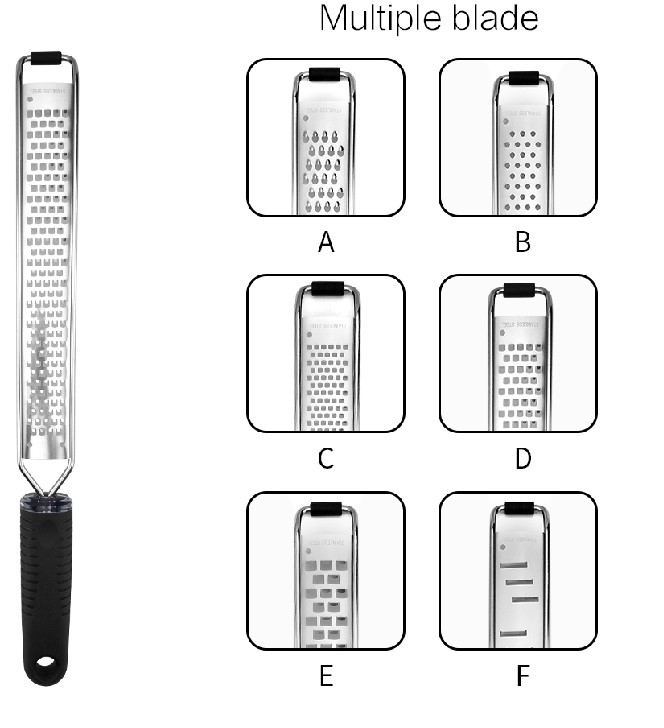
The original product focus is a modern handheld grater made with stainless steel, engineered perforations, an ergonomic handle, a non-slip grip, and a compact shape for easy storage. Those are useful starting points. However, B2B buyers should verify details directly with the supplier, request samples, and compare performance against the expectations of their market.
Key Takeaways
- Choose a stainless steel grater factory by evaluating product performance, handle comfort, packaging options, and communication quality.
- Do not rely only on product photos; request samples and test grating results with cheese, vegetables, and citrus.
- Ask suppliers to confirm material details, surface finish, packaging, inspection process, MOQ, lead time, and customization options.
- For OEM or wholesale orders, define your requirements in writing before discussing price.
What Buyers Should Look For in a Stainless Steel Grater
A grater looks simple, but small design differences affect the user experience. The perforation pattern determines how smoothly food passes over the surface. A poorly finished grating area may tear ingredients unevenly or require too much pressure. A well-designed handheld grater should offer stable contact, predictable cutting action, and comfortable use during repeated motions.
The handle is another important point. The source article highlights an ergonomic handle with a non-slip grip. For buyers, this feature should be checked in real use. Does the handle suit different hand sizes? Is it comfortable when used for longer preparation tasks? Does the grip remain stable if the user's hand is slightly wet? These are practical questions that affect reviews, returns, and repeat purchases.
Factory, Supplier, or Trading Company: How to Compare
When sourcing from a stainless steel grater factory, buyers often want direct production support, customization, and more control over quality. A trading company may still be useful, especially if it offers strong communication, product development support, and consolidated sourcing. The key is not the label alone, but the supplier's ability to answer technical and commercial questions clearly.
| Evaluation Point | What to Check | Questions to Ask |
|---|---|---|
| Product design | Perforation layout, edge finish, handle comfort, compact storage | Can you provide samples of each grater design for testing? |
| Material information | Stainless steel type, handle material, surface finish | What material is used for each component, and can it be documented? |
| Customization | Logo, color, packaging, product set options | What OEM or private label options are available? |
| Quality control | Visual inspection, function checks, packaging checks | What inspection steps are used before shipment? |
| Commercial terms | MOQ, lead time, sample policy, payment terms | What are the current order requirements and production timeline? |
Sample Testing Before a Wholesale Order
Before committing to a wholesale stainless steel grater order, sample testing is essential. Test the grater with several foods that match your market positioning. For a home kitchen product, use hard cheese, softer cheese, carrots, ginger, lemon peel, or similar everyday ingredients. For professional or food-service positioning, test repeated use and cleaning convenience.
- Check whether the grater cuts smoothly without requiring excessive force.
- Inspect the perforations for rough edges, blocked openings, or inconsistent finishing.
- Hold the handle in different positions to judge balance and control.
- Wash and dry the sample to see whether food residue is easy to remove.
- Review packaging strength if the product will be shipped through e-commerce channels.
Buyers should also ask whether the production sample will match the bulk order. If the supplier provides a pre-production sample, keep it as the reference standard for future inspection.
OEM and Private Label Considerations
Many B2B buyers search for a stainless steel grater factory because they need OEM or private label support. Customization may include logo placement, handle color, packaging artwork, instruction inserts, barcode labels, or bundled kitchen tool sets. The exact options depend on the supplier, so buyers should not assume every factory can support every request.
Clear communication reduces errors. Provide artwork files, packaging dimensions, color references, labeling requirements, and target market details. If the product will be sold online, consider whether the packaging protects the grater surface and handle during parcel delivery. If it will be sold in retail stores, consider display format, hanging holes, shelf visibility, and consumer-facing instructions.
Quality and Compliance Questions to Ask
Food-contact kitchen tools may be subject to different requirements depending on the destination market. This article does not assume specific certifications, testing results, or compliance status. Instead, buyers should ask the supplier what documentation is available and whether third-party testing can be arranged if required by the buyer's market.
- What stainless steel material is used for the grating surface?
- What materials are used for the handle and grip?
- Can the supplier provide material declarations or test reports if needed?
- What quality checks are performed on sharpness, burrs, finish, and assembly?
- How are defective products handled before shipment?
- Can the supplier support buyer-arranged inspection?
For larger orders, define acceptable quality limits, packaging standards, and inspection criteria in the purchase agreement. This helps both parties understand what counts as an acceptable shipment.
Choosing the Right Grater for Your Sales Channel
A compact handheld grater may appeal to home cooks, apartment kitchens, gift sets, and small kitchenware assortments. The design described in the source article emphasizes stainless steel construction, engineered perforations, an ergonomic handle, and non-slip grip. Those points can be relevant selling features, but the final product selection should match the channel.
For e-commerce, buyers should pay attention to product photos, packaging durability, and clear descriptions of use. For supermarkets or houseware stores, shelf-ready packaging and simple consumer instructions may matter more. For promotional or corporate gifting, logo placement, perceived quality, and packaging presentation are often important. For professional kitchen supply, durability, cleaning, and repeated-use performance should be prioritized.
Practical FAQ
What should I ask a stainless steel grater factory first?
Start with product range, available samples, material details, customization options, MOQ, lead time, packaging choices, and quality control process. Ask for clear written answers so you can compare suppliers fairly.
Can I order an OEM stainless steel grater with my logo?
Many suppliers may offer OEM or private label support, but the exact options depend on their equipment and process. Ask where the logo can be placed, what artwork format is required, and whether a pre-production sample is available.
How do I judge grater quality from a sample?
Test smoothness, cutting consistency, handle comfort, grip stability, cleaning ease, and packaging protection. Also inspect for rough edges, loose parts, or inconsistent finishing.
Should I choose the cheapest wholesale kitchen grater?
Price matters, but the cheapest option may not provide the best value if it causes returns, poor reviews, or packaging damage. Compare total cost, product quality, communication, and after-sales handling.
Do I need compliance documents for stainless steel graters?
Requirements depend on your target market and sales channel. Ask the supplier what documentation is available and confirm with your own compliance adviser or testing partner when needed.
Final Sourcing Advice
A stainless steel grater is a small kitchen tool, but it represents your brand every time a customer uses it. For B2B sourcing, focus on verified product details rather than broad claims. Request samples, test the grating surface, confirm handle comfort, review packaging, and ask direct questions about materials, inspection, customization, MOQ, and delivery. A reliable stainless steel grater factory or supplier should help you make these points clear before you place a bulk order.
