




Stainless Steel Grater Factory: Practical Sourcing Guide for Buyers
Sourcing from a stainless steel grater factory is not only about finding a low unit price. For importers, wholesalers, private-label brands, and kitchenware distributors, the real goal is to secure graters that are safe to handle, consistent in performance, durable in daily use, and suitable for the intended retail channel. A grater may look simple, but small differences in blade sharpness, frame strength, grip comfort, packaging, and inspection standards can affect customer satisfaction and repeat orders.
The original focus of this topic is quality kitchenware, grater design, and the role of a reliable kitchen gadgets supplier. Those points remain important, but B2B buyers also need a structured way to evaluate factories before placing an order. This guide explains what to review when selecting stainless steel graters, what questions to ask a supplier, and how to reduce sourcing risk without relying on unsupported claims.
Why Factory Selection Matters for Stainless Steel Graters
A dedicated grater manufacturer can influence the finished product from material sourcing through forming, sharpening, handle assembly, finishing, and final inspection. If any of these steps are inconsistent, the product may still appear acceptable in photos but perform poorly in use. Common issues include uneven cutting surfaces, uncomfortable handles, rough edges, weak frames, or packaging that does not protect the product during transit.
For B2B buyers, factory selection affects more than the physical item. It also influences communication speed, sample accuracy, packaging support, documentation, production follow-up, and the ability to repeat the same product over multiple orders. A good supplier should be able to explain its process clearly and answer technical questions without overpromising.
Key Product Features to Review Before Ordering
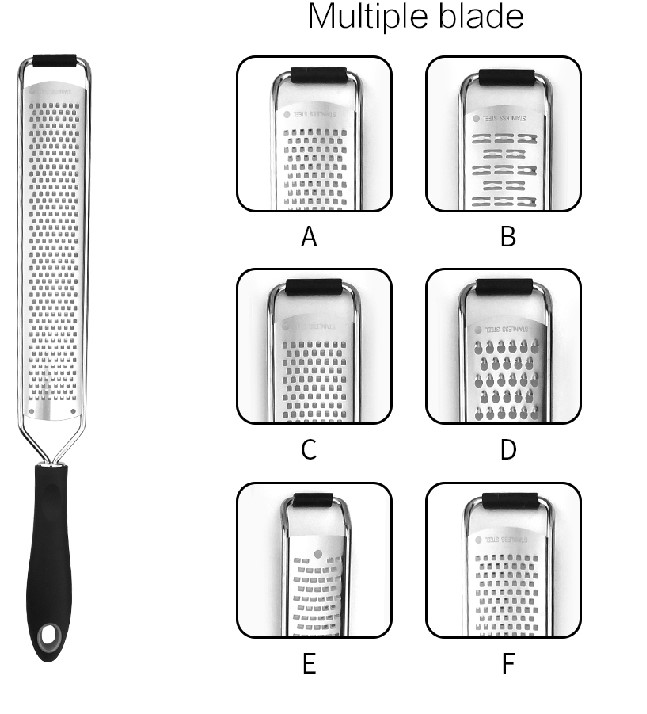
Modern graters often emphasize ergonomics, safety, and a clean appearance. The original article notes features such as sharp stainless steel edges, elongated frames for control, and comfortable rubber grips. When reviewing samples, buyers should confirm these features directly rather than assuming they apply to every model.
- Cutting performance: Test the grater with hard cheese, citrus zest, vegetables, or other foods relevant to your target customer.
- Handle comfort: Check whether the grip feels secure with dry and slightly damp hands.
- Frame rigidity: Apply normal pressure to see whether the tool bends too easily.
- Edge finishing: Inspect the border, handle joint, and hanging hole for burrs or sharp unfinished areas.
- Cleaning practicality: Review whether food particles collect in corners that are hard to wash.
- Packaging fit: Make sure the grater is held firmly and protected from scratches during shipping.
Comparison Checklist for Grater Sourcing
Use a simple comparison table when evaluating samples from multiple suppliers. This helps keep decisions based on evidence instead of relying only on catalog images or price quotations.
| Review Area | What to Check | Questions to Ask the Supplier |
|---|---|---|
| Material | Confirm the stated stainless steel type and handle material match your brief. | What material specification is used, and can it be stated on the quotation? |
| Blade Quality | Check sharpness, consistency, and grating texture across the full cutting area. | How is blade sharpness or cutting performance inspected before shipment? |
| Ergonomics | Assess grip comfort, balance, and control during repeated use. | Are alternative handle designs or grip materials available for OEM projects? |
| Finishing | Look for burrs, scratches, stains, loose parts, or uneven edges. | What visual and functional defects are included in the factory inspection standard? |
| Packaging | Review retail presentation, barcode space, protection, and carton strength. | Can the supplier support private-label packaging, and what files are required? |
| Order Control | Compare sample quality with bulk production expectations. | How are approved samples, production samples, and shipment inspections managed? |
OEM and Wholesale Questions Buyers Should Ask
If you are sourcing for wholesale, retail distribution, or a private-label kitchenware line, ask practical commercial and technical questions early. Do not assume details such as minimum order quantity, lead time, packaging options, certification support, or testing requirements unless the supplier confirms them in writing.
- What grater models are currently available, and which ones are suitable for private-label packaging?
- Can the supplier provide pre-production samples before mass production?
- What customization options are available for handle color, logo placement, packaging, or instruction inserts?
- What inspection criteria are used for blade defects, handle assembly, surface finish, and carton condition?
- What documents can the supplier provide for material, packaging, shipment, or compliance requests?
- How are quality issues handled if defects are found before shipment or after delivery?
These questions are not a substitute for your own compliance review. Different markets may have different requirements for food-contact products, labeling, packaging waste, and retailer documentation. Buyers should confirm all applicable requirements with their internal team, testing partner, or local compliance adviser.
How to Evaluate Samples Like a Professional Buyer
Sample testing should reflect real use. A stainless steel grater may perform well for one ingredient but poorly for another. For example, a fine grater used for citrus zest needs clean cutting and easy release, while a larger grater for vegetables may need stronger frame support and a wider working area. Test each sample according to its intended use.
Record observations in a consistent format. Note the sample date, supplier name, model number, packaging type, visible defects, user feedback, and test results. If the supplier revises a sample, label the new version clearly. This prevents confusion later when comparing quotations or approving production.
It is also useful to involve more than one tester. A buyer, product manager, and end user may notice different details. One person may focus on appearance, while another may notice grip fatigue or cleaning difficulty. For kitchen gadgets, small usability issues often become customer complaints after launch.
Quality Control Points Before Shipment
Before approving shipment, buyers should define what must be checked. For stainless steel kitchen tools, common inspection points include product dimensions, surface finish, blade consistency, handle attachment, logo placement, packaging accuracy, carton labeling, and quantity. If the grater includes a rubber grip or other handle material, check that it is securely fitted and free from obvious defects.
Ask the supplier how it distinguishes acceptable variation from defects. A minor cosmetic mark may be acceptable for one sales channel but not for another. Premium retail packaging may require a stricter appearance standard than bulk food-service supply. Clear expectations reduce disputes and help the factory prepare production correctly.
Key Takeaways
- A stainless steel grater factory should be evaluated on product consistency, communication, sampling, and inspection control.
- Useful grater design depends on sharp cutting surfaces, safe edges, comfortable handling, and practical cleaning.
- Buyers should confirm material, packaging, MOQ, lead time, customization, and documentation directly with the supplier.
- Sample testing should match the intended use, whether for cheese, vegetables, citrus zest, or general kitchen preparation.
- Written specifications and approved samples help reduce risk when moving from quotation to bulk production.
Practical FAQ
What should I ask a stainless steel grater factory first?
Start with the available models, material description, customization options, sample process, estimated lead time, MOQ, packaging choices, and inspection procedure. Ask for details in writing so you can compare suppliers fairly.
How can I judge whether a grater sample is good quality?
Test it with ingredients your customers are likely to use. Check cutting efficiency, comfort, frame strength, edge finishing, cleaning ease, and packaging protection. Compare multiple samples under the same conditions.
Can a factory make OEM or private-label graters?
Some suppliers may support OEM or private-label projects, but the available options vary. Ask whether they can customize logo placement, handle color, packaging artwork, instruction materials, and carton labels before assuming these services are available.
Should I request compliance documents?
Yes, if your market or retailer requires them. Ask what documents the supplier can provide, but verify requirements independently. Do not rely on general claims without suitable supporting records.
What is the biggest sourcing mistake with kitchen graters?
A common mistake is choosing only by price or catalog appearance. A better approach is to approve physical samples, define inspection standards, confirm packaging, and clarify commercial terms before placing a bulk order.
