




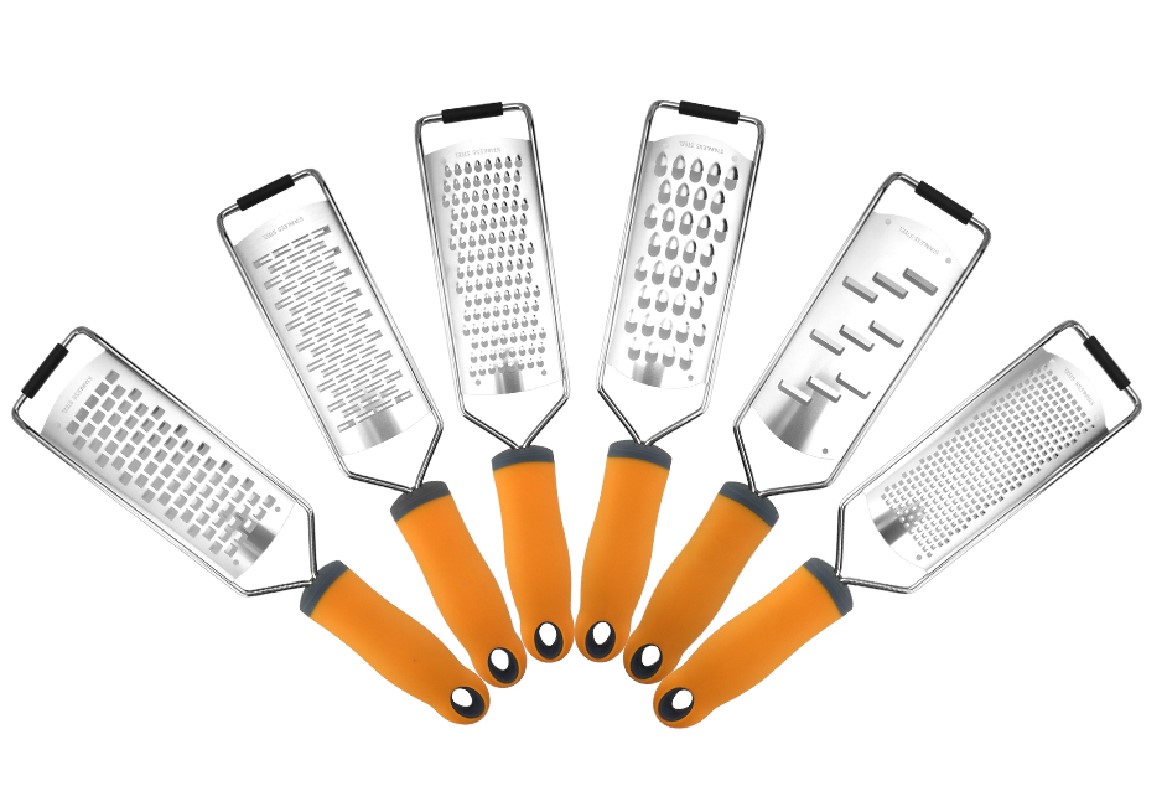
Stainless Steel Grater Factory: Quality Kitchen Essentials
For importers, distributors, retailers, and hospitality buyers, a stainless steel grater is not just a small kitchen tool. It is a product that must feel safe in the hand, cut efficiently, clean easily, and remain consistent across every shipment. Choosing the right stainless steel grater factory or kitchen gadgets supplier requires more than checking a catalog photo. Buyers need to understand material claims, blade design, handle construction, packaging options, quality control, and the commercial questions that should be answered before placing an order.
The original value of a grater is simple: it helps home cooks and professional kitchens shred cheese, zest citrus, grate vegetables, or prepare ingredients quickly. The sourcing challenge is more complex. A factory may offer several designs, finishes, handle types, and packaging formats, but each choice affects cost, usability, durability, and customer satisfaction. This guide explains how to evaluate stainless steel graters with a B2B mindset while preserving the practical kitchen benefits that make the product popular.
Key Takeaways
- Stainless steel graters are valued for durability, hygiene, corrosion resistance, and easy cleaning when properly made and maintained.
- Factory buyers should verify material details, blade sharpness, handle safety, packaging strength, and inspection processes instead of relying only on product images.
- Different grater styles serve different kitchen tasks, so assortment planning should match the target customer and sales channel.
- OEM or wholesale orders should be supported by clear questions about MOQ, lead time, branding, samples, testing, and quality standards.
Why Stainless Steel Matters for Kitchen Graters
Stainless steel is widely used in kitchen tools because it is strong, non-porous, and easy to clean. In a grater, those qualities are especially important because the cutting surface comes into direct contact with cheese, citrus peel, garlic, vegetables, chocolate, and other foods. A smooth stainless steel surface helps reduce staining and does not absorb food odors in the way some porous materials can.
The original article noted that stainless steel resists rust and corrosion and is preferred for hygiene and durability. Those are useful general advantages, but buyers should still ask the supplier to specify the stainless steel type used for the grating plate and any other metal parts. If the factory claims food-contact suitability, corrosion resistance, or dishwasher safety, request supporting documentation, sample testing options, or written specifications rather than assuming all stainless steel graters perform the same way.
How to Evaluate a Stainless Steel Grater Factory
A reliable stainless steel grater factory should be able to explain how the product is made, not only what it looks like. Buyers should ask about raw material sourcing, forming or etching methods, handle assembly, edge finishing, cleaning before packing, and final inspection. The supplier should also be willing to provide samples for hands-on review because grater performance depends heavily on tactile details.
During supplier evaluation, focus on consistency. A sample may look sharp and comfortable, but the larger question is whether the same quality can be repeated across production batches. Ask how the factory checks blade sharpness, burrs, handle attachment, surface scratches, stains, and packaging condition. If you are building a private label line, ask whether the supplier can maintain the same design, finish, and packaging artwork over repeat orders.
Product Features Buyers Should Check
Modern grater design has moved beyond a simple metal sheet with holes. The original article mentioned precision-etched blades, comfortable non-slip grips, and slim profiles for easier storage. These features can improve usability, but they should be verified in the sample stage. A blade that is too aggressive may feel unsafe for casual users, while a blade that is too dull creates poor customer reviews.
| Checklist Item | What to Inspect | Why It Matters |
|---|---|---|
| Grating surface | Sharpness, even holes, smooth edges, no visible burrs | Controls cutting efficiency and user safety |
| Stainless steel parts | Material description, finish, stain resistance, corrosion questions | Supports durability and accurate product claims |
| Handle or grip | Comfort, non-slip feel, attachment strength, cleaning gaps | Affects control, hygiene, and customer satisfaction |
| Stability | Foot, frame rigidity, flex during use | Reduces slipping and improves confidence |
| Packaging | Retail presentation, protection, barcode space, instructions | Prevents transit damage and supports shelf sales |
| Inspection process | AQL level, sample approval, defect definitions | Helps reduce inconsistent shipments |
Choosing the Right Grater Style for Your Market
Before selecting a factory item, define the end use. A narrow handheld grater may work well for citrus zest, hard cheese, ginger, or nutmeg. A flat grater can be simple and economical for basic household use. A box-style grater may appeal to customers who want multiple grating sizes in one tool, although it requires more storage space and may involve more complex cleaning.
For retail buyers, assortment planning matters. A single premium-looking grater may suit a specialty kitchenware shop, while a broader range may be better for supermarkets or online marketplaces. For foodservice distributors, strength, safe handling, and cleanability may be more important than decorative packaging. Ask your supplier which designs are standard, which can be customized, and which require new tooling or longer lead times.
OEM, Wholesale, and Supplier Questions to Ask
When sourcing from a kitchen gadgets supplier, the best results come from clear questions early in the process. Avoid vague requests such as “best quality grater” and provide target market, packaging requirements, expected order volume, and any testing needs. If you need OEM branding, confirm what can be changed: logo placement, handle color, packaging artwork, instruction sheets, carton marks, or product dimensions.
- What stainless steel type is used for the grating surface, and can it be stated in the specification sheet?
- What is the minimum order quantity for standard items and for customized packaging or branding?
- Can pre-production samples be approved before mass production begins?
- How are sharp edges, burrs, loose handles, scratches, and stains defined as defects?
- What packaging tests or transit protections are available for export orders?
- Which compliance documents or food-contact declarations can the supplier provide for the target market?
Quality Control Before Shipment
Quality control should not be treated as a final formality. For graters, small defects can create real user frustration. A rough edge can scratch a hand. A weak handle can loosen after repeated use. A poorly protected retail pack can arrive crushed, even if the grater itself is acceptable. Buyers should agree on inspection criteria before production and confirm whether inspection will be conducted by the factory, the buyer, or a third-party service.
Useful inspection points include surface finish, blade consistency, handle strength, product cleanliness, correct labeling, carton strength, and quantity accuracy. If the product includes usage instructions, cleaning guidance, warnings, or country-specific labels, check that these match the approved artwork. Do not assume that factory-standard packaging will meet every retailer or marketplace requirement.
Use and Care Information for End Customers
Even when the main buyer is a wholesaler or importer, end-user instructions can reduce complaints. A stainless steel grater should be rinsed soon after use, especially after grating acidic foods or sticky ingredients. Users should clean in the direction that avoids dragging fingers across sharp teeth. If the supplier claims dishwasher suitability, confirm the conditions and include accurate instructions on the package.
Storage also matters. A protective cover or sleeve can reduce accidental contact with the grating surface and help prevent damage in drawers. If the product does not include a cover, consider whether packaging or instructions should advise careful storage. Simple, honest care guidance supports better reviews and fewer returns.
Practical FAQ
What makes a stainless steel grater factory different from a general trading company?
A factory is typically closer to production details such as tooling, material selection, assembly, and inspection. A trading company may still be useful, but buyers should confirm who controls quality and who is responsible for resolving production issues.
Should buyers choose etched or stamped grater blades?
Both can work, depending on the design and quality level. Instead of choosing by term alone, test samples with real foods such as cheese, citrus, ginger, and vegetables to compare cutting speed, clogging, comfort, and cleaning.
Can a grater be customized for private label sales?
Many kitchen gadget suppliers can discuss branding or packaging options, but details vary. Ask about logo methods, artwork requirements, MOQ, sample approval, tooling fees, lead time, and whether customization affects product performance.
What should be confirmed before placing a wholesale order?
Confirm product specification, approved sample, packaging, carton details, inspection standard, delivery schedule, payment terms, compliance documents, and responsibility for defects or shortages.
Is stainless steel always rust-proof?
Stainless steel is valued for corrosion resistance, but performance depends on material type, finish, environment, cleaning, and maintenance. Buyers should avoid making broad claims unless the supplier provides clear specifications and suitable support documents.
