




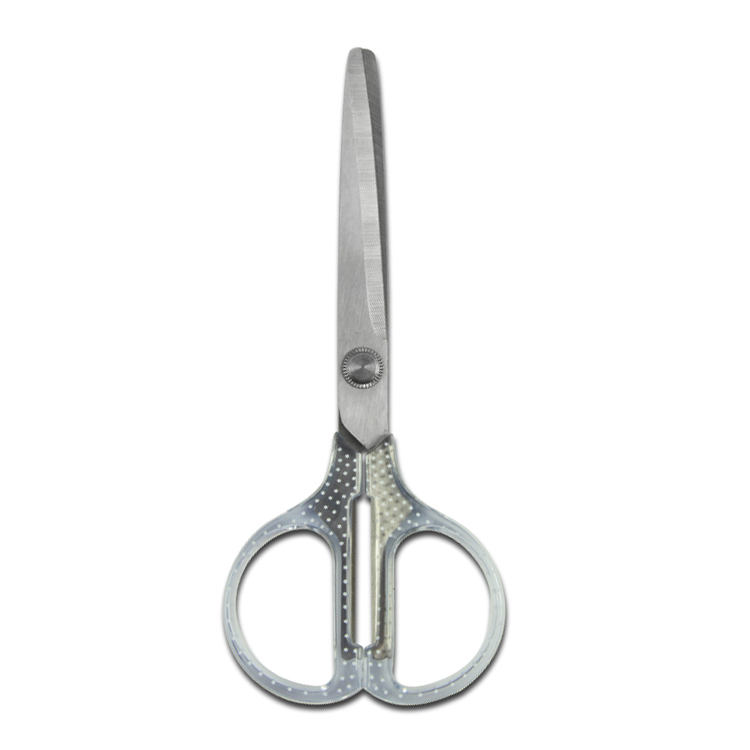
Stationery Scissors Manufacturer: Quality & Style
Choosing a stationery scissors manufacturer is not only about finding a low unit price. For schools, office distributors, craft retailers, promotional product buyers, and private-label brands, scissors need to cut reliably, feel comfortable in the hand, look appropriate for the target market, and arrive packaged for efficient resale or distribution. The original stationery scissors series described sizes such as 6-1/4 inches and 7 inches, ergonomic handles, vibrant color-infused blades, decorative pattern covers, and options suited to bulk or custom purchasing. This guide explains how B2B buyers can evaluate those features and ask the right sourcing questions before placing an order.
What Buyers Should Expect from a Stationery Scissors Manufacturer
A capable supplier should help you match the scissor design to the end user. Classroom scissors may need simple handling and durable packaging for repeated distribution. Office scissors often require a balanced shape for paper, envelopes, labels, and general desk tasks. Craft and stationery retailers may prioritize visual appeal, including themed covers, pastel-toned handles, or colorful blades that stand out on a shelf.
When discussing a project with a manufacturer, avoid relying on product photos alone. Ask for sample units, confirm available sizes, review packaging formats, and clarify whether decorative elements are standard options or part of a custom program. If you need private-label or promotional stationery scissors, confirm what can be customized, such as handle color, cover pattern, retail card, carton mark, or barcode placement.
Bulk Stationery Scissors: Key Selection Factors
Bulk stationery scissors are often purchased by schools, office suppliers, art programs, wholesalers, and retailers. In these channels, consistency matters. A mixed shipment with uneven handle colors, poorly aligned covers, or packaging that is difficult to scan can create downstream problems even if the scissors themselves are usable.
Before buying in volume, prepare a clear specification sheet. Include the intended users, target retail price range, preferred size, handle color, blade appearance, packaging requirements, and any labeling needs. The source article mentions 6-1/4 inch and 7 inch sizes, both of which can fit common stationery and office use cases. The right size depends on whether the buyer wants compact classroom tools, general desk scissors, or a product with a more substantial grip.
Comparison Checklist for Sourcing Stationery Scissors
| Selection Point | Why It Matters | Questions to Ask the Supplier |
|---|---|---|
| Size options | Different users prefer different reach, leverage, and storage convenience. | Are 6-1/4 inch and 7 inch versions available for this series? Can samples be compared? |
| Handle comfort | Ergonomic handles can reduce hand fatigue during repeated cutting tasks. | What handle shapes and colors are currently offered? Are left-hand or right-hand versions available? |
| Blade appearance | Vibrant or color-infused blades can improve shelf appeal for stationery and craft channels. | Which blade colors are standard, and are there limits on color matching? |
| Decorative covers | Pattern covers can support seasonal, playful, or more sophisticated retail themes. | Which cover patterns are existing designs, and what is required for a custom pattern? |
| Packaging | Retail, school, and wholesale buyers may need different packaging formats. | Can the supplier provide retail cards, bulk packs, or customized packaging? What artwork files are needed? |
| Quality control | Consistent cutting feel and appearance reduce returns and complaints. | What inspection steps are used before shipment? Can the buyer define an approval sample? |
Custom Stationery Scissors for Private Label and Retail Programs
Custom stationery scissors can help a buyer build a product line that fits a brand or seasonal campaign. Customization may involve colors, decorative covers, handle appearance, packaging graphics, or assortment planning. The source article notes decorative pattern covers in themes ranging from playful to sophisticated, as well as pastel-toned handles. These options are useful for craft shops, school-supply sets, office gift packs, and stationery displays.
However, custom work should be managed carefully. Ask whether the requested design uses an existing mold or requires new tooling. Confirm how color approval will be handled, especially if you need a close match to brand colors. If packaging is customized, request dielines and confirm who is responsible for barcode, language, recycling symbols, importer information, and other market-specific details. Do not assume that a supplier can meet every labeling or compliance requirement without written confirmation.
Practical Use Cases: Schools, Offices, Retailers, and Craft Buyers
The same scissors series can serve different channels when the product mix is planned well. For school buyers, a bulk pack of practical sizes and easy-to-identify handle colors may be more important than elaborate packaging. For office distributors, a clean, professional presentation and comfortable grip may matter most. Retail stationery shops may prefer visually distinctive scissors with decorative covers, colorful blades, and shelf-ready packaging.
- Schools and education distributors: prioritize comfort, safe handling policies, clear quantity packs, and easy inventory control.
- Office suppliers: look for reliable general-purpose cutting, consistent quality, and packaging suited to catalog or e-commerce sales.
- Craft and stationery retailers: consider pattern covers, color assortments, and attractive display options.
- Promotional buyers: ask whether branding can be added to packaging or product components and whether approval samples are available.
How to Evaluate Samples Before a Bulk Order
Samples should be tested in realistic conditions. Cut standard copy paper, thicker craft paper, envelopes, labels, and lightweight packaging material if those tasks match the expected use. Check whether the scissors open and close smoothly, whether the grip feels comfortable after repeated use, and whether the cutting line remains clean along the blade length. Also inspect the finish: decorative covers should fit securely, colors should appear consistent, and packaging should protect the product during shipment.
For B2B purchasing, the approved sample should become the reference point for production. Ask the supplier how pre-production samples, production checks, and final inspections are handled. If you use a third-party inspection company, clarify whether the manufacturer can support that process and provide packing lists, carton markings, and access to finished goods before shipment.
Commercial Questions to Clarify Before Ordering
The original article mentions bulk purchases, discounted rates, and customized packaging, but specific commercial terms should always be confirmed directly. Buyers should avoid assumptions about minimum order quantity, lead time, payment terms, tooling costs, or repeat-order availability. These details can vary by design, packaging complexity, color requirements, and production schedule.
- What is the minimum order quantity for standard and custom stationery scissors?
- Which sizes, handle colors, blade colors, and pattern covers are currently available?
- Can the supplier provide samples before production, and are sample fees or freight charges required?
- What packaging formats are offered for wholesale, retail, or school supply distribution?
- How are quality issues documented and resolved after delivery?
- What information is needed from the buyer for private-label packaging artwork?
Key Takeaways
Stationery scissors may look simple, but bulk sourcing requires clear specifications and careful sample approval. The 6-1/4 inch and 7 inch size options, ergonomic handles, colorful blades, and decorative pattern covers described in the original product series can support school, office, craft, and retail channels. For the best result, define the end user, compare samples, confirm packaging requirements, and ask the supplier specific questions about customization, inspection, and order terms.
FAQ: Stationery Scissors Manufacturer Sourcing
What size stationery scissors should I choose for bulk orders?
For many stationery programs, 6-1/4 inch scissors offer a compact option, while 7 inch scissors provide a slightly larger feel for general desk or craft use. Request samples of both sizes before deciding.
Can stationery scissors be customized?
Customization may include handle colors, decorative pattern covers, packaging, or assortment planning. Ask the supplier which options are standard and which require additional setup, artwork, or approval time.
Are colorful blades only decorative?
Color-infused or vibrant blades can improve visual appeal for retail and craft markets. Buyers should still test cutting performance, finish consistency, and durability through samples.
What should wholesalers check before placing an order?
Wholesalers should confirm size, packaging, carton quantity, labeling needs, inspection process, lead time, order quantity, and how the supplier handles repeat orders or product changes.
How can I reduce quality risks in a custom scissors order?
Create a written specification, approve physical samples, confirm packaging artwork, and define inspection criteria before production. Clear communication is especially important when colors or patterns are customized.
