




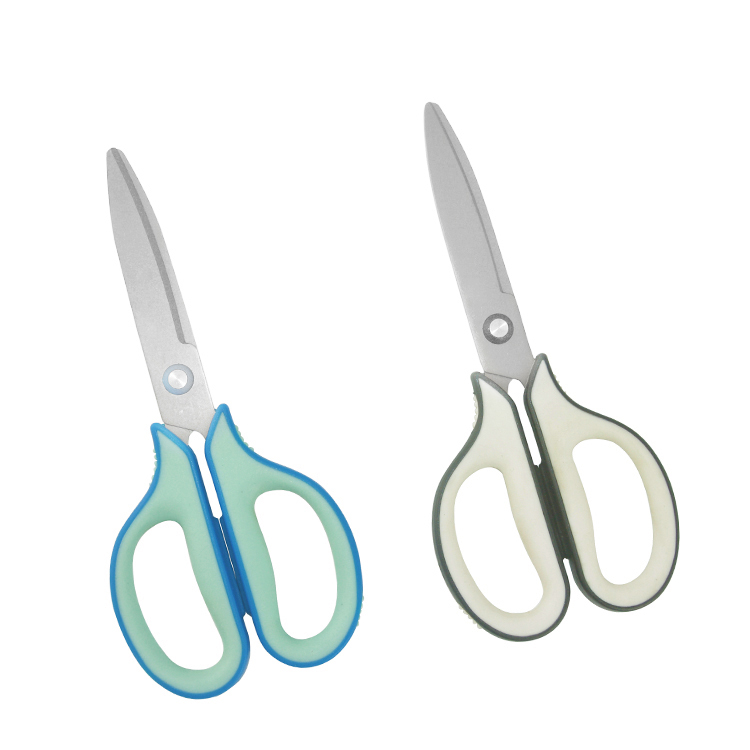
Stationery Scissors Supplier: How to Source Reliable Office Scissors

Choosing a stationery scissors supplier is a small sourcing decision that can have a large effect on customer satisfaction, repeat orders, and daily office productivity. Scissors are used in schools, workplaces, mailrooms, warehouses, design studios, and retail stationery aisles. Buyers usually need a product that cuts cleanly, feels comfortable in the hand, and arrives with consistent packaging and finish quality.
For importers, wholesalers, private-label brands, and office supply distributors, the best supplier is not simply the one with the lowest unit price. A good sourcing process looks at blade performance, handle comfort, production consistency, packaging, communication, and the supplier's ability to answer technical and commercial questions clearly. This guide explains what to check before placing an order for office scissors, OEM stationery scissors, or customized scissors for a retail or promotional program.
Key Takeaways
- Define the use case first: office, school, craft, promotional, or professional daily use.
- Ask suppliers to confirm blade material, handle material, dimensions, packaging, and available customization options in writing.
- Review samples for cutting smoothness, alignment, comfort, finish, and packaging strength before bulk ordering.
- For OEM or private-label projects, confirm artwork files, color matching process, logo method, carton marks, and approval samples.
- A reliable supplier should provide clear answers about quality control steps, lead time, export packing, and after-sales handling.
What Buyers Should Define Before Contacting a Supplier
Before comparing suppliers, prepare a short product brief. This reduces misunderstandings and helps factories quote comparable options. Start with the target market: office users may value comfort and durability, while school supply buyers may focus on safe handling, price positioning, and colorful packaging. Promotional buyers often care most about logo placement, delivery schedule, and budget.
Your brief should include intended users, target retail channel, expected order quantity, preferred handle color, blade length, packing style, barcode or label needs, and any market-specific requirements you already know. If you are not sure about technical details, ask the supplier what options are commonly used for similar office scissors. Avoid assuming a material grade, coating, or compliance claim unless the supplier can document it.
How to Evaluate Office Scissors Quality
Quality in stationery scissors is visible in several practical ways. The blades should meet cleanly from pivot to tip, open and close without grinding, and cut paper smoothly without tearing. The pivot should not feel loose, and the handles should be comfortable enough for repeated use. A buyer checking samples should test different materials that match the intended market, such as standard copy paper, envelopes, thin card, labels, or light craft paper.
Finish quality also matters. Look for burrs, scratches, uneven polishing, poor handle molding, color variation, or loose screws. Packaging should protect the scissors during transit and present the product clearly for retail shelves or online fulfillment. If the product is sold as office scissors with anti-slip handles, confirm what part of the design provides grip and request sample photos or physical samples before approval.
Supplier Comparison Checklist
Use a structured checklist when comparing a stationery scissors supplier, office scissors manufacturer, or custom scissors supplier. The goal is not only to find an acceptable sample, but also to reduce risk across repeat production.
| Area to Check | What to Ask the Supplier | Why It Matters |
|---|---|---|
| Product details | What are the blade material, handle material, size, weight, and available colors? | Prevents vague specifications and makes quotes easier to compare. |
| Sample testing | Can you provide pre-production samples and confirm any sample charges or timing? | Allows buyers to test cutting feel, alignment, finish, and packaging. |
| OEM options | What logo methods, handle colors, packaging formats, and artwork requirements are available? | Clarifies whether the supplier can support private-label or promotional projects. |
| Quality control | What checks are performed during production and before shipment? | Helps identify how the supplier manages consistency across bulk orders. |
| Packing and shipping | What are the inner pack, carton size, carton weight, and export packing method? | Supports freight planning, warehouse handling, and retail distribution. |
| Commercial terms | What are the MOQ, lead time, payment terms, and process for handling defects? | Ensures the order fits your purchasing plan and risk tolerance. |
OEM and Customization Considerations
Office scissors OEM projects can be valuable for distributors and brands that want a recognizable product line. Common customization areas may include handle color, logo placement, printed backing card, blister packaging, display boxes, barcode labels, or carton marks. However, each customization choice can affect cost, lead time, and approval steps.
Ask the supplier what file format is required for artwork, whether color matching is based on a standard reference, and whether a physical approval sample will be made before mass production. If you need a specific retail packaging layout, provide dielines, warning text, barcode position, and language requirements. For private-label projects, keep a signed or written approval record for samples, packaging artwork, and carton marks to avoid disputes later.
Questions to Ask a Professional Scissors Manufacturer
A professional scissors manufacturer should be able to discuss more than price. Buyers should ask practical questions that reveal the supplier's experience and production control. For example, how is blade alignment checked? What happens if a batch has inconsistent cutting performance? Are replacement parts, updated packaging, or repeat color matching available for future orders?
If the scissors are intended for specialized uses such as graphic design, craft work, or fabric-related tasks, do not assume that ordinary office scissors will perform well. Explain the application and request a suitable recommendation. For demanding use, ask for sample testing against the actual materials your customers will cut. This is more useful than relying only on product photos or general descriptions.
Packaging, Labeling, and Retail Readiness
Packaging is a key part of stationery scissors sourcing because it affects both product protection and sales presentation. A product sold through retail may need a hanging card or blister pack, while e-commerce sellers may prefer packaging that resists damage during parcel delivery. Wholesale buyers may need neutral bulk packing, branded packaging, or shelf-ready cartons.
Confirm all packaging details before production: product orientation, logo position, barcode size, inner quantity, master carton quantity, carton marks, and any retailer-specific requirements. If your market requires specific labeling or safety information, provide the exact wording and ask the supplier whether they can print it as supplied. Do not rely on generic packaging claims without reviewing final artwork.
How to Reduce Sourcing Risk
The safest approach is to move in stages: request information, review samples, confirm specifications, approve packaging, then place the order. For a new stationery scissors supplier, consider a smaller first order if commercially possible. Keep a golden sample for comparison when the bulk shipment arrives.
Document the approved specification clearly. Include product size, color, blade and handle description, packaging type, logo method, carton details, inspection expectations, and agreed delivery schedule. If you use a third-party inspection service, share the checklist with the supplier before production starts so expectations are clear.
FAQ
What should I check first when choosing a stationery scissors supplier?
Start with the product application, sample quality, supplier communication, and whether the supplier can provide clear written specifications for material, size, packaging, and customization.
Can office scissors be customized for private-label sales?
Many suppliers offer OEM options such as logo printing, handle color selection, backing cards, blister packaging, and carton marks. Buyers should confirm available methods, artwork requirements, MOQ, lead time, and approval sample process.
How can I test office scissors samples?
Test cutting on the materials your customers will use, such as copy paper, envelopes, labels, or light card. Check blade alignment, smooth opening and closing, handle comfort, finish quality, and packaging durability.
What commercial details should I ask before placing an order?
Ask about MOQ, lead time, payment terms, sample timing, packaging details, carton information, quality control steps, defect handling, and whether repeat orders can match the approved sample.
Are professional-grade scissors necessary for every buyer?
No. Standard office scissors may be enough for daily workplace use. Professional-grade options are more relevant when users need precision cutting, frequent use, or performance on specific materials. Always match the product to the target user and test samples before buying.
