




The Best Office Scissors for Crafting: Precision & Comfort
Office scissors are often treated as a basic desk item, but for crafting they can make a noticeable difference in accuracy, speed, and comfort. A pair used for opening envelopes is not always the right choice for trimming paper templates, cutting ribbon, preparing sample cards, or handling delicate craft materials. The goal is not simply to find scissors that cut, but to choose a pair that cuts cleanly, feels controlled in the hand, and holds up to repeated use.
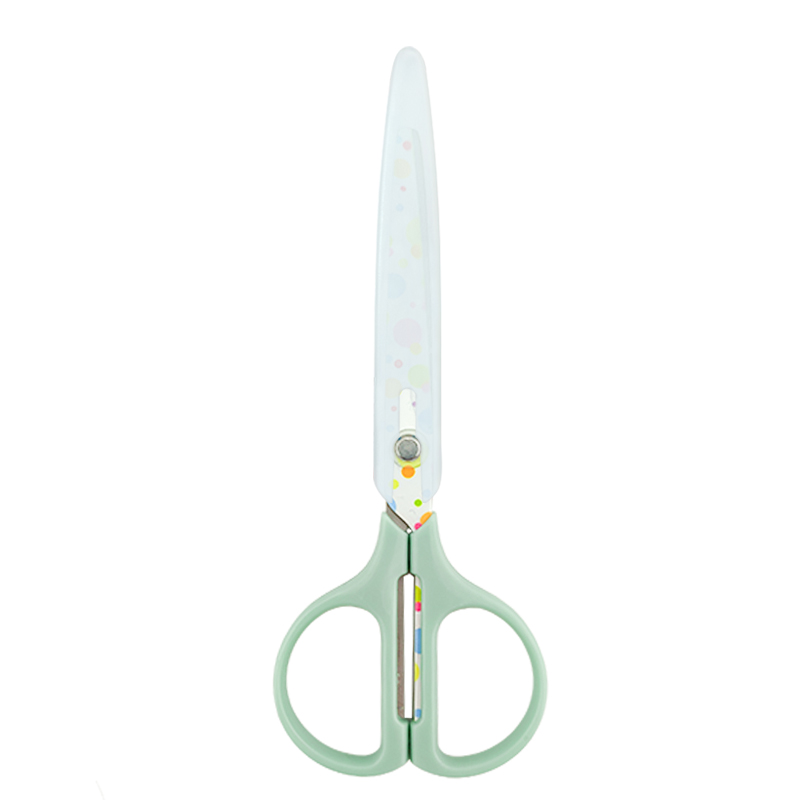
The Ultra-Precision Duo-Tone Scissors described in the original product article highlight several features crafters often look for: copper-inspired blades, vibrant purple handles, and soft-touch, non-slip grips. Those details point to two important buying priorities: precision and handling comfort. Whether you are a hobby crafter, a stationery brand, a classroom buyer, or a wholesale purchaser comparing suppliers, the same evaluation principles apply.
Key Takeaways
- For crafting, office scissors should be judged by cut quality, comfort, control, and durability rather than appearance alone.
- Soft-touch, non-slip grips can help improve control during detailed work, especially during longer sessions.
- Before buying in bulk, ask suppliers clear questions about materials, blade finish, packaging, quality checks, and sample availability.
- Match the scissors to the task: paper crafts, ribbon cutting, office use, and light fabric work may need different performance expectations.
Why Crafting Requires Better Office Scissors
Craft projects often involve repeated, visible cuts. A rough edge on copy paper may not matter in everyday office use, but it can be obvious on handmade cards, labels, scrapbooking elements, classroom displays, or retail packaging samples. Precision becomes more important when cutting curves, corners, small shapes, and layered materials.
Comfort also matters. Many crafters work for extended periods, and a handle that slips or presses awkwardly can cause hand fatigue. The original description of soft-touch, non-slip grips is useful because grip texture and handle comfort affect both safety and accuracy. When the hand feels stable, it is easier to follow a line and avoid over-cutting.
Features to Compare Before Choosing
Not every attractive pair of scissors is suitable for craft work. Buyers should look beyond color and compare the parts of the tool that influence performance. Blade alignment, tip shape, handle size, and grip finish all affect how the scissors feel in real use.
| Feature | Why it matters for crafting | Questions to ask |
|---|---|---|
| Blade design | Influences clean edges, control, and ability to cut small details | What materials are the blades made from, and what finish is applied? |
| Handle comfort | Reduces strain during repeated cutting sessions | Are the handles soft-touch, non-slip, or designed for extended use? |
| Tip control | Helps with curves, corners, and detailed trimming | Is the tip suitable for precision work or general office cutting? |
| Cutting application | Different users may cut paper, ribbon, light fabric, or packaging samples | What materials has the supplier designed the scissors to handle? |
| Consistency in bulk | Important for retailers, schools, studios, and distributors | How does the supplier inspect alignment, sharpness, and handle finish? |
Precision, Comfort, and Control in Daily Use
The original article emphasizes precision and comfort, and those are the correct priorities for craft users. A smooth cut depends on both the blade and the user’s control. If the blades drag, separate, or pinch material, the result can be uneven. If the handle feels slippery, the user may apply extra pressure, which can reduce accuracy.
The Ultra-Precision Duo-Tone Scissors are described with copper-inspired blades and vibrant purple handles, making them visually distinctive. However, buyers should still verify practical performance. Decorative blade finishes and colorful handles may support product appeal, but the real test is whether the scissors cut consistently and remain comfortable after repeated use.
Choosing Scissors for Different Craft Materials
Office scissors used for crafting may be asked to cut several materials, but no single pair should be assumed to perform equally on everything. Paper, cardstock, ribbon, thin fabric, tape, and packaging film can create different demands. Adhesive materials may leave residue. Fabric can dull blades faster if the scissors are not intended for it. Thick card can stress the pivot area.
For best results, assign scissors by task. Keep one pair for clean paper work, another for adhesive-backed materials, and a separate pair if cutting fabric is part of the workflow. This simple habit protects cut quality and extends useful life.
- Use paper-only scissors for templates, cards, labels, and scrapbooking.
- Use a separate pair for tape, stickers, and adhesive materials to avoid residue transfer.
- Wipe blades after use if they contact glue, tape, or coated paper.
- Store scissors closed and dry to protect the cutting edge and reduce accidents.
B2B Sourcing Guidance for Office Scissors
Businesses searching for an office scissors supplier, including buyers who plan to buy office scissors from China, should evaluate more than unit appearance. A good sourcing process starts with samples, written specifications, and clear communication about expected use. If the scissors are intended for crafting, say so. The supplier should understand whether the target customer is a student, office worker, hobby crafter, stationery retailer, or promotional gift buyer.
Avoid assuming details that have not been confirmed. Ask the supplier about blade material, handle material, finish, size options, packaging, labeling, carton details, and inspection procedures. If you need OEM branding, custom colors, barcode labels, or retail-ready packaging, confirm whether those services are available and what information is required. Also ask about sample lead time, production lead time, minimum order quantity, and how defects or shipment issues are handled.
For wholesale and OEM purchases, request pre-production samples before approving a larger order. Check multiple pairs, not just one. Open and close the scissors repeatedly, compare handle finish, inspect blade alignment, and test them on the intended materials. This helps prevent small quality differences from becoming large customer service problems later.
Care Tips to Keep Craft Scissors Cutting Cleanly
Even well-made scissors need basic care. Craft environments often include glue, tape, paper dust, glitter, coated sheets, and fibers. These can collect near the pivot or along the blade edge. After use, wipe the blades with a soft dry cloth. If sticky residue appears, clean it carefully according to the supplier’s care guidance and dry the scissors fully before storage.
Do not force office scissors through materials that feel too thick or resistant. Forcing the blades can affect alignment or damage the cutting edge. If a project regularly involves heavier materials, choose a tool designed for that purpose rather than expecting standard office scissors to do every job.
FAQ: Office Scissors for Crafting
Can ordinary office scissors be used for crafting?
Yes, but results vary. For simple paper cutting, ordinary office scissors may be enough. For detailed craft work, look for better blade control, a comfortable handle, and a grip that does not slip during repeated cuts.
Are soft-touch grips useful or just decorative?
Soft-touch, non-slip grips can be useful because they improve comfort and control. This is especially important when cutting small shapes, curves, or multiple pieces over a longer session.
Should one pair be used for paper, tape, and fabric?
It is better to separate scissors by task. Adhesive materials can leave residue, and fabric may affect blade sharpness. Keeping a dedicated paper pair helps maintain cleaner cuts.
What should wholesale buyers ask a scissors supplier?
Ask about blade and handle materials, available sizes and colors, packaging options, sample availability, quality inspection steps, MOQ, lead time, and whether OEM or private-label service is available.
How can buyers judge sample quality?
Test several pairs on the intended materials. Check smooth opening and closing, blade alignment, handle comfort, grip finish, and whether the scissors cut cleanly from the base of the blade to the tip.
Final Thoughts
The best office scissors for crafting are practical tools that combine clean cutting, comfortable handling, and consistent control. The Ultra-Precision Duo-Tone Scissors, with copper-inspired blades, purple handles, and soft-touch non-slip grips, reflect the kind of design details that can appeal to craft users. Still, smart selection depends on testing real performance and asking suppliers the right questions. For individual users, choose scissors that match your materials and care for them properly. For B2B buyers, define the application clearly, verify samples, and confirm commercial details before placing a bulk order.
