




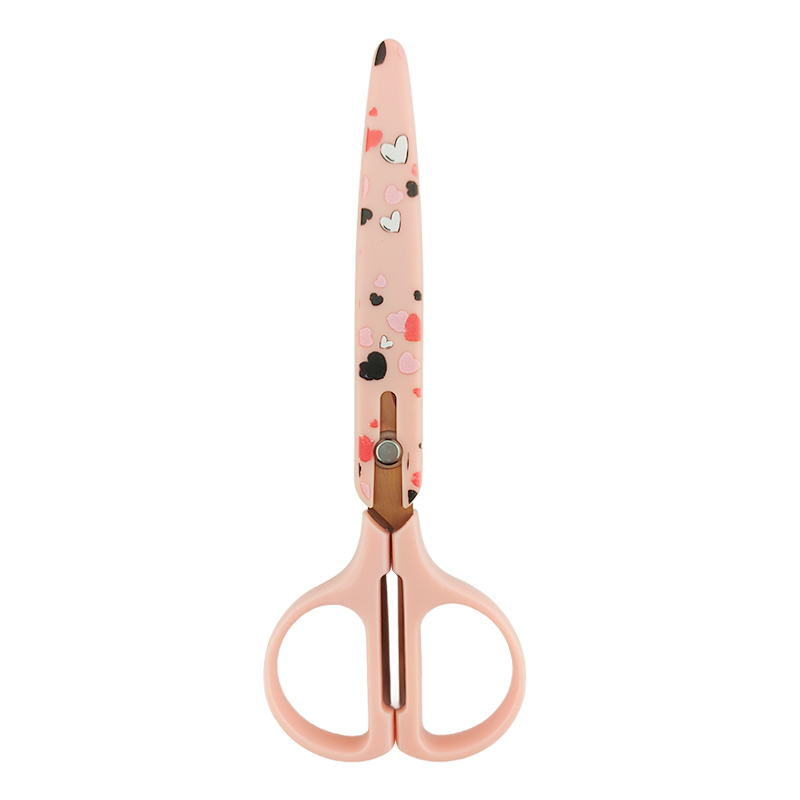
The Best Titanium Scissors for Crafting Mastery
Craft projects often succeed or fail at the cutting stage. A clean edge can make paper layering look professional, help fabric pieces align accurately, and prevent vinyl or tape from tearing at the wrong point. Titanium scissors for crafting are popular because titanium-coated blades are designed for durability, corrosion resistance, and a smoother cutting experience than many basic household scissors. For creators who work with paper, fabric, tapes, vinyl, and mixed media, the right pair can reduce frustration and make repetitive cutting more consistent.
This guide explains how to evaluate the best titanium scissors for your actual projects, what ergonomic features matter during long sessions, and how to care for the blades so they remain reliable. It is written for hobby crafters, studio users, teachers, small handmade businesses, and anyone building a practical craft toolkit.
Key Takeaways
- Titanium-coated blades are valued for durability, corrosion resistance, and a non-stick surface that can help when cutting adhesive materials.
- The best titanium scissors depend on what you cut most often: paper, fabric, vinyl, tape, or mixed materials.
- Ergonomic titanium scissors can reduce hand fatigue, especially during detailed or repetitive cutting.
- Use separate scissors for fabric and adhesive-heavy materials when possible to preserve cutting performance.
- Good care habits, including wiping residue and storing scissors safely, matter as much as the coating.
Why Titanium Scissors Are Useful for Crafting
The main appeal of titanium scissors is the blade coating. A titanium coating adds a hard, protective surface over the blade, helping it resist wear and corrosion. In crafting, this is useful because scissors may be exposed to glue residue, tape edges, paper dust, fabric lint, and frequent handling. While no scissors stay sharp forever, titanium-coated blades are commonly chosen because they can maintain a clean cutting feel for longer than many standard craft scissors.
Another advantage is the non-stick character of the coating. When cutting adhesive-backed vinyl, washi tape, labels, or double-sided tape, ordinary blades can quickly collect gummy buildup. Titanium-coated scissors may reduce sticking, which means fewer interruptions for cleaning. This is especially helpful when making scrapbooks, classroom displays, packaging samples, stickers, or handmade cards.
Match the Scissors to Your Craft Materials
Before choosing a pair, think about the materials you cut most often. A crafter who mainly trims paper needs a different balance of sharpness, tip control, and blade length than someone cutting felt, ribbon, or thick fabric. The best titanium scissors are not simply the most expensive or the largest; they are the pair that suits your materials and hand movements.
For delicate paper, look for smooth blade action and fine tips that allow accurate corners and curves. For thick fabric, a longer blade and comfortable handle can help maintain straight cuts. For vinyl and tapes, prioritize a non-stick blade surface and easy cleaning. If you work across many materials, consider keeping more than one pair so adhesive residue or paper fibers do not affect fabric cutting.
Comparison Checklist for Choosing Titanium Craft Scissors
| Selection Point | Why It Matters | What to Check Before Buying |
|---|---|---|
| Blade coating | Titanium coating supports durability, corrosion resistance, and reduced sticking. | Confirm the scissors are titanium-coated rather than only titanium-colored. |
| Blade length | Longer blades help with straight cuts; shorter blades improve control. | Choose based on whether you cut sheets, fabric panels, or small details. |
| Tip shape | Fine tips are better for curves, corners, and precision work. | Check whether the tip can reach small spaces safely and accurately. |
| Handle comfort | Long crafting sessions can cause hand fatigue. | Look for an ergonomic shape and, if available, soft-grip lining. |
| Material use | Different materials affect blade wear and residue buildup. | Decide if one pair is enough or if separate pairs are needed. |
| Cleaning ease | Adhesives and fibers can reduce cutting quality. | Choose blades that can be wiped clean without complicated maintenance. |
Ergonomic Titanium Scissors and Hand Comfort
Comfort becomes important when a project requires hundreds of repeated cuts. Ergonomic titanium scissors are designed to sit more naturally in the hand and reduce strain during use. Some handles include soft-grip linings, while others focus on a wider finger loop or an angled shape that supports a relaxed wrist position. The right design depends on your hand size, grip strength, and cutting style.
If possible, test how the scissors open and close before committing to them. The motion should feel smooth, not stiff or loose. A lightweight feel can also make detailed work easier, particularly for paper cutting, appliqué patterns, or small vinyl pieces. However, comfort is personal: a handle that works well for one user may feel awkward for another. For shared studio or classroom use, a balanced, medium-size ergonomic handle is often the most practical choice.
How to Use Titanium Scissors for Cleaner Results
Good technique helps any pair of scissors perform better. Keep the material stable and cut with the full blade when making long straight lines. For curves, use shorter cuts and turn the material gradually instead of twisting the scissors sharply. When cutting fabric, avoid lifting the fabric too high from the table, as this can distort the line. For paper and vinyl, align the cut line before closing the blades so the material does not buckle.
- Use long, steady strokes for straight cuts on paper or fabric.
- Use the blade tips only for small details, not for forcing through thick material.
- Wipe adhesive residue as soon as it appears, especially after cutting tape or vinyl.
- Do not cut wire, hard plastic, or other materials not suited to craft scissors.
- Store scissors closed to protect the blade edge and prevent accidents.
Care and Maintenance Tips
Titanium-coated blades are durable, but they still need basic care. After cutting adhesive materials, wipe the blades with a soft cloth. If residue remains, use a cleaning method appropriate for the blade and handle materials, and avoid harsh scraping that could damage the coating. Keep the pivot area free from paper dust and lint, because buildup can make the scissors feel rough or misaligned.
Storage also matters. Tossing scissors into a crowded drawer can nick the blades or damage the tips. A sleeve, tool roll, craft caddy, or dedicated compartment is a simple way to protect them. If you use scissors for fabric, label them clearly and avoid using that pair on paper or tape. Many crafters find that separating scissors by task is the easiest way to maintain clean fabric cuts.
When to Replace or Add Another Pair
Even high-quality craft scissors eventually show signs of wear. If cuts begin to chew paper, snag fabric, or leave uneven vinyl edges after cleaning, the blades may be dull or misaligned. If hand fatigue increases, the handle may not suit your current workload. Instead of forcing one pair to do everything, consider adding a second pair for adhesive materials, fine detail work, or fabric-only cutting.
For small craft businesses or busy studios, this approach also improves workflow. A dedicated pair for packaging tape, another for paper templates, and another for fabric can prevent cross-contamination and reduce cleaning time. The goal is not to own more tools than necessary, but to use the right scissors for the task.
Practical FAQ
Are titanium scissors made entirely from titanium?
Many craft scissors described as titanium scissors have titanium-coated blades rather than blades made entirely from titanium. Check the product description if the exact construction matters to you.
Are titanium-coated scissors good for adhesive vinyl?
Yes, they are commonly chosen for adhesive-backed materials because the coating can provide a non-stick surface and reduce gummy buildup. You should still wipe the blades regularly.
Can I use the same scissors for paper and fabric?
You can, but it is not ideal if you need very clean fabric cuts. Paper can dull blades over time, so many crafters keep fabric scissors separate.
What makes ergonomic titanium scissors different?
They focus on handle comfort, grip shape, and ease of movement. Some include soft-grip linings to help reduce strain during long cutting sessions.
How do I know which size to choose?
Choose shorter scissors for detail work and longer blades for straight cuts across larger sheets or fabric pieces. If you do mixed crafts, a medium-size pair is often the most versatile starting point.
