




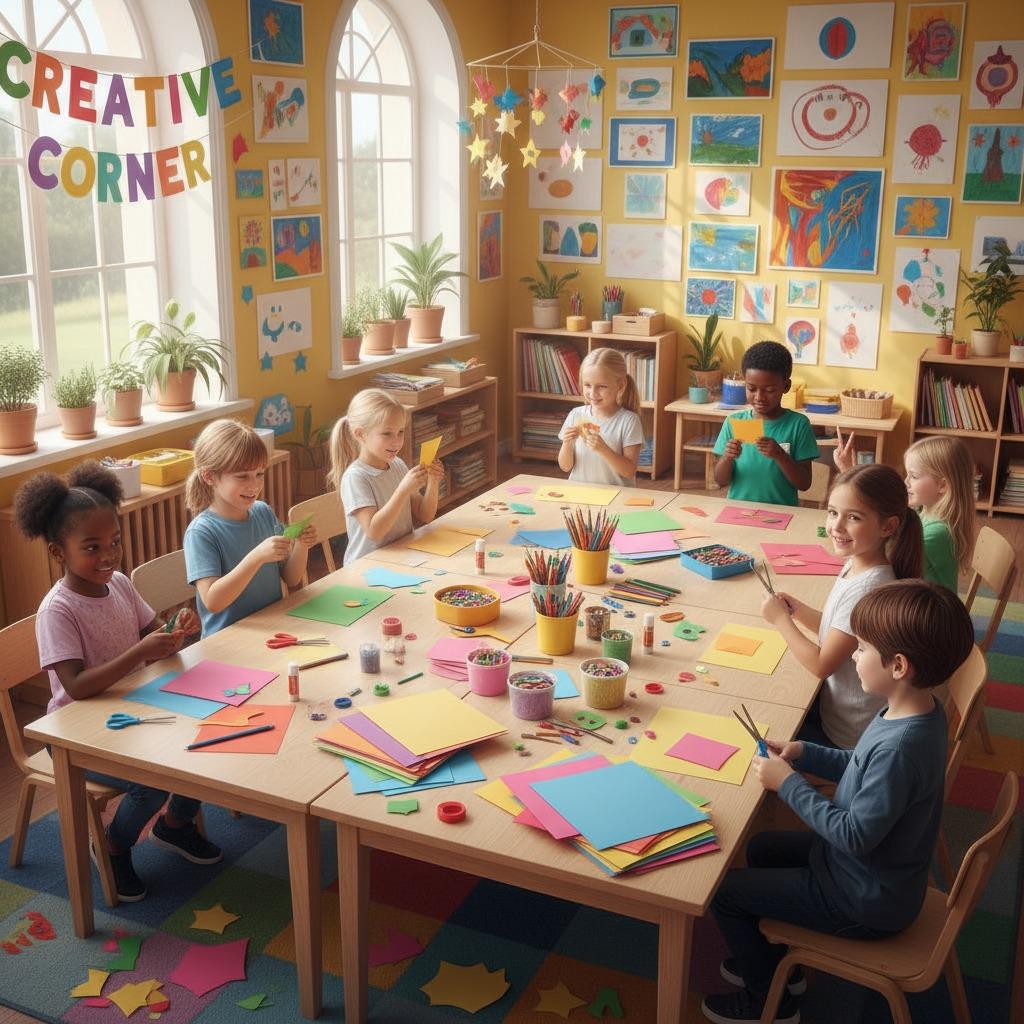
The Developmental Benefits of Paper Cutting for Preschoolers
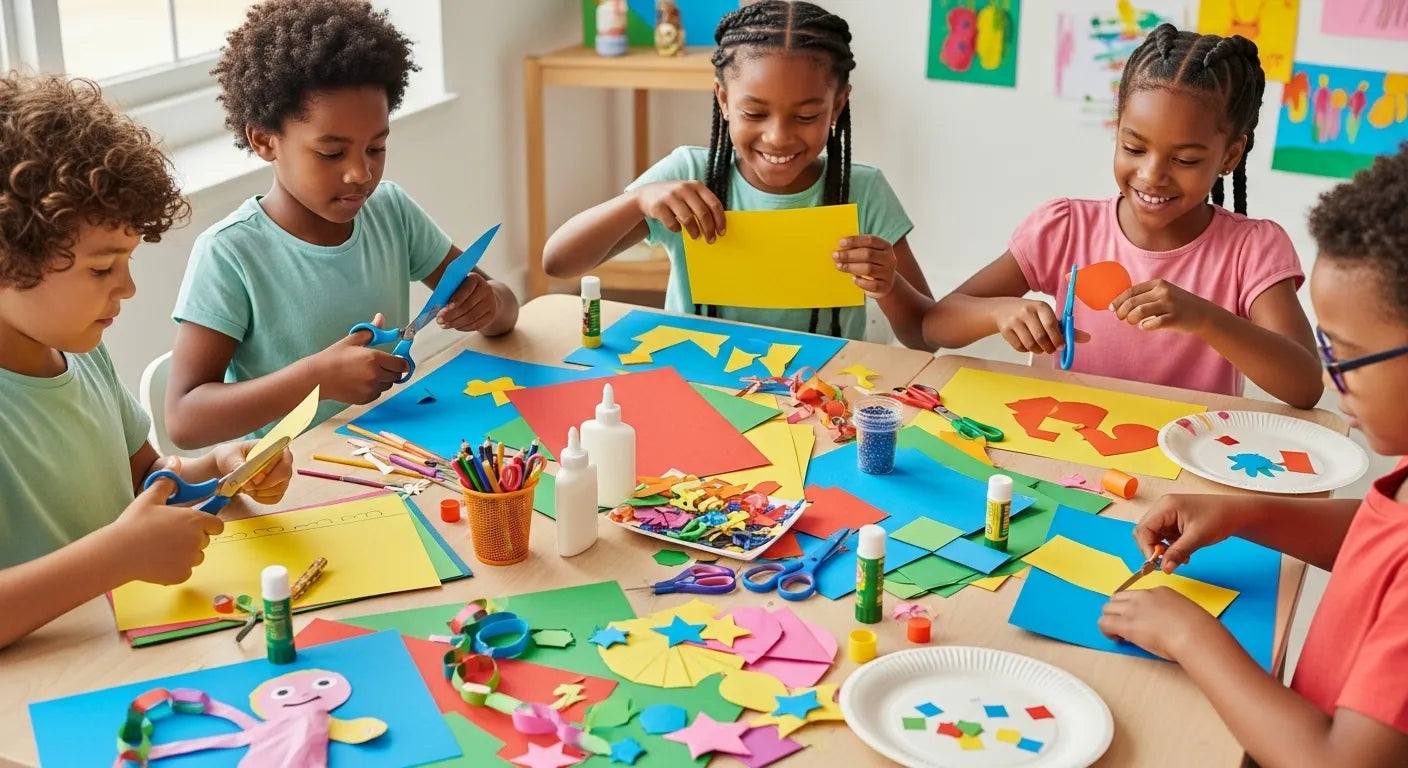
Paper cutting looks simple: a child holds a sheet, opens and closes a pair of scissors, and watches small pieces fall away. For preschoolers, however, this everyday craft can support several important areas of development at once. With patient adult supervision and age-appropriate school scissors, cutting activities help children strengthen their hands, coordinate their eyes and fingers, follow directions, solve small problems, and express ideas through making.
This guide is written for parents, preschool teachers, daycare staff, and activity planners who want practical, realistic ways to introduce cutting practice. It is not about rushing children into perfect shapes. It is about giving them a safe, gradual path from first snips to confident paper projects.
Key Takeaways
- Paper cutting supports fine motor skills needed for drawing, early writing, dressing, and everyday independence.
- Preschoolers usually progress from random snipping to straight lines, curves, corners, and simple shapes.
- Safe school scissor practice requires supervision, clear rules, and tools suited to small hands.
- Short, frequent cutting activities are often more effective than long craft sessions.
- Success should be measured by growing control and confidence, not by perfectly finished crafts.
Why Paper Cutting Matters in Preschool Development
Between ages three and five, children are learning how to control small muscles in the fingers, hands, and wrists. These muscles are used when they hold crayons, turn pages, fasten buttons, open containers, and eventually write letters. Cutting paper gives those muscles a meaningful workout because the child must open and close the scissors while keeping the paper steady with the other hand.
Cutting also encourages bilateral coordination, which means using both sides of the body together for different tasks. One hand operates the scissors; the other turns or stabilizes the paper. This skill is useful far beyond art time. It supports eating with utensils, zipping jackets, and many classroom routines.
Fine Motor Skills and Hand-Eye Coordination
When a preschooler cuts along a line, the eyes track the target while the hand adjusts the movement. At first, the child may snip randomly or hold the scissors awkwardly. With practice, movements become smoother. The child learns how much pressure to use, how far to open the blades, and how to move forward without tearing the paper.
To make practice easier, start with materials that offer some resistance. Thin tissue paper can fold and crumple, which may frustrate beginners. Slightly heavier paper, cardstock strips, or old greeting cards can be easier for early cutting because they stay in position. Begin with narrow strips so one snip can cut all the way across. Then move to longer straight lines, gentle curves, zigzags, and simple shapes.
Cognitive Growth: Planning, Sequencing, and Focus
Paper cutting is also a thinking activity. A child must decide where to start, how to keep the scissors on the line, and what to do if the paper turns or the cut goes off track. These small decisions build planning and problem-solving habits.
Many cutting projects naturally include sequencing. For example, a child may first cut strips, then cut the strips into squares, then glue the squares into a mosaic. Following this order helps children understand steps, cause and effect, and task completion. These are useful foundations for early math, reading, and classroom participation.
Because cutting requires attention, it can also help children build focus in short bursts. A good preschool cutting session may last only five to ten minutes. The goal is not to keep children seated for too long, but to help them practice careful effort and then finish with a sense of accomplishment.
Creativity, Confidence, and Emotional Development
Cutting gives children visible evidence that their actions can change materials. A rectangle becomes a fringe, a circle becomes a face, and a stack of scraps becomes a collage. This hands-on transformation supports creativity because there is no single correct result.
Children also learn resilience through cutting. A line may be crooked. A shape may tear. A piece may be too small. Adults can help by using calm language: “That cut went a different way. What could we make with this piece?” This teaches children that mistakes can become part of the project instead of a reason to stop.
When children complete a cutting task, even a simple one, they often feel proud. That confidence can carry into other learning activities. For some children, especially those who avoid pencil tasks, cutting may be a more playful way to strengthen the same hand muscles needed for school readiness.
Choosing School Scissors and Setting Safety Rules
School scissors should be selected with the child’s age, hand size, and skill level in mind. Look for products intended for children and ask practical questions before buying for a classroom, daycare, or home activity kit. Are the handles comfortable for small hands? Are there options for left-handed children? Are the tips designed for classroom use? Is the product suitable for the age group you supervise?
Adults should avoid assuming that any small scissor is appropriate for every preschooler. Children vary in grip strength, coordination, and attention. Supervision is always necessary. Before each activity, review simple rules: scissors are for paper, blades point down when carrying, scissors stay at the table, and we pass them handle-first to another person.
Paper Cutting Activity Progression by Skill Level
| Skill Stage | What Children Practice | Good Materials | Activity Idea |
|---|---|---|---|
| First snips | Opening and closing scissors | Narrow cardstock strips | Make “confetti” for a pretend celebration collage |
| Straight lines | Moving scissors forward | Paper with thick bold lines | Cut road strips for toy cars |
| Fringe cutting | Stopping before the edge | Rectangles of construction paper | Create grass, hair, or animal fur |
| Curves and corners | Turning the paper with the helper hand | Simple printed shapes | Cut circles for faces or wheels |
| Creative cutting | Planning and combining shapes | Mixed paper scraps | Build a collage, puppet, or paper scene |
Simple Activities for Home or Classroom
Useful cutting practice does not require complicated templates. Everyday paper scraps can become meaningful learning materials. Try a few of these low-prep ideas:
- Strip snipping: Give children narrow strips and invite them to cut small pieces into a bowl for later collage work.
- Line paths: Draw thick straight, wavy, or zigzag paths for children to follow.
- Paper haircuts: Draw a face on a paper plate and let children cut fringe around the top as hair.
- Shape sorting: Pre-draw large circles, squares, and triangles, then sort the cut pieces by shape or color.
- Story crafts: Read a short story and cut simple props, such as leaves, stars, clouds, or houses.
Keep instructions brief. Demonstrate once, then let children try. If a child struggles, offer a smaller piece of paper or guide the helper hand rather than taking over the task.
Common Mistakes Adults Can Avoid
One common mistake is introducing difficult shapes too early. If a child cannot yet cut a straight line, a small detailed animal template will likely create frustration. Another mistake is focusing too much on the finished craft. Preschool cutting should value the process: grip, control, attention, and persistence.
It is also important not to compare children too quickly. Some preschoolers develop scissor control earlier than others. Hand preference, muscle tone, previous exposure, and confidence all affect progress. If a child consistently avoids cutting or seems unusually frustrated, consider shorter practice sessions and consult an early childhood specialist if concerns continue.
FAQ: Preschool Paper Cutting and School Scissors
What age should children start using scissors?
Many children begin supervised snipping around preschool age, but readiness varies. Start only when the child can follow simple safety directions and remain seated with adult guidance.
Should beginners use thick or thin paper?
Slightly thicker paper is often easier because it does not collapse as quickly. Narrow strips are especially helpful for first snips.
How long should cutting practice last?
Short sessions of five to ten minutes are usually enough for preschoolers. Stop before fatigue turns the activity into frustration.
What if my child holds the scissors incorrectly?
Model the grip calmly and use simple cues such as “thumb on top.” Repeated gentle reminders work better than criticism.
Are cutting worksheets necessary?
No. Worksheets can help, but scrap paper, handmade lines, paper plates, and collage materials can provide excellent practice.
Final Thoughts
Paper cutting is a small activity with broad developmental value. It builds hand strength, coordination, focus, planning, creativity, and confidence. With safe school scissors, simple materials, and supportive adults, preschoolers can move from random snips to purposeful creating at their own pace. The best cutting activities are safe, playful, and flexible enough for every child to experience progress.
