




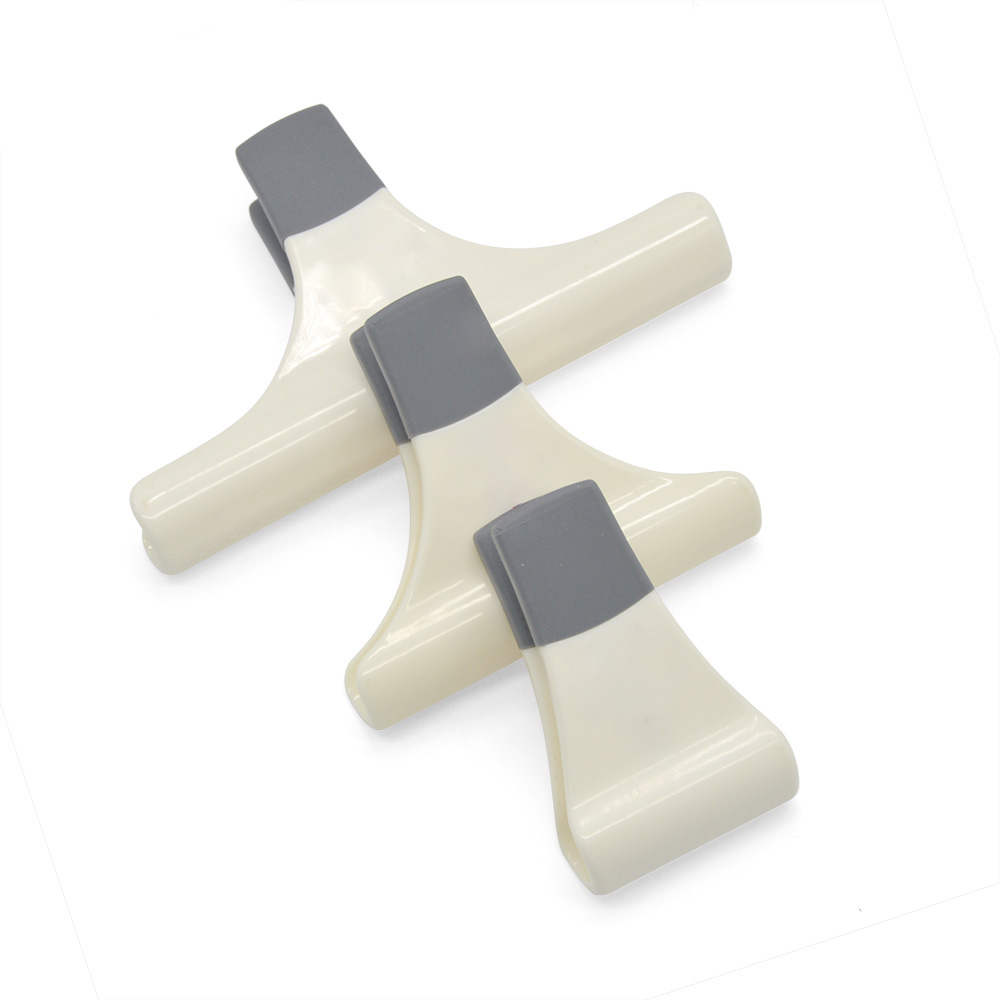
Sealing Clip Factory Guide: Custom Solutions and Supplier Evaluation
For brands, distributors, and packaging buyers, choosing a sealing clip factory is not only about finding a basic clip that closes a bag. The right supplier can help match the clip design to the application, packaging format, end-user expectations, and commercial requirements. Sealing clips are used in many everyday and industrial settings, including food storage, household organization, logistics packing, and product bundling. In each case, buyers need reliable closure, repeatable performance, and suitable materials for the intended use.
This guide explains how to evaluate a sealing clip manufacturer for wholesale, OEM, and custom projects. It focuses on practical sourcing questions rather than unsupported promises, so procurement teams can compare suppliers with greater confidence.
What a Sealing Clip Factory Typically Provides
A sealing clip factory may produce standard clip designs, customized clips, or both. Standard products are useful when speed and cost control are the main priorities. Custom sealing clips are more relevant when a buyer needs a specific size, shape, color, branding area, opening force, or packaging format.
The original article highlights several common application areas: food preservation, medical supplies, logistics, household use, and heavier-duty operations. These use cases have different requirements. A clip used for kitchen storage may need simple opening and closing, while a clip used in transport packaging may need better grip and repeat-use durability. Before asking for a quotation, buyers should define the operating environment and expected performance as clearly as possible.
Key Takeaways
- Start with the application: food storage, logistics, household retail, or another use case.
- Ask the factory which materials, sizes, colors, and packaging options are available instead of assuming they can provide every option.
- For custom sealing clips, confirm tooling, sampling, lead time, inspection methods, and ownership of molds or artwork.
- Request samples and test them with your actual bags, pouches, cartons, or storage conditions.
- Do not rely on appearance alone; check closure strength, hinge behavior, repeat use, and packaging compatibility.
Standard Clips vs. Custom Sealing Clips
The source article notes that manufacturers may produce basic plastic household clips as well as more robust metal clips for demanding applications. However, the best choice depends on the buyer’s real product environment. A retail kitchenware brand may value color range, display packaging, and easy handling. A logistics buyer may care more about grip, identification, or reusability during warehouse operations.
| Option | Best For | Questions to Ask the Supplier |
|---|---|---|
| Standard sealing clips | Fast sourcing, general household use, simple packaging needs | What sizes and colors are available? Are samples in stock? What packaging formats can be supplied? |
| Custom size or shape | Non-standard bags, special closures, brand-specific product lines | Is new tooling required? Who owns the mold? What are the sampling steps? |
| Custom color or branding | Retail programs, private label, promotional products | What color matching method is used? What logo process is available? Are artwork proofs provided? |
| Application-specific clip | Food storage, logistics, medical supply packaging, industrial use | What material options suit the application? What performance tests can be agreed before production? |
How to Define Your Product Requirements
A clear specification reduces misunderstandings and helps factories quote accurately. Instead of asking only for a “high-quality sealing clip,” prepare a short requirement sheet. Include the product size, target use, closure method, preferred material if known, color, logo needs, packing style, order quantity target, and destination market.
If you are unsure about material or structure, describe the use case rather than inventing a specification. For example, explain whether the clip will close coffee bags, snack bags, frozen food pouches, document packs, or logistics bags. Tell the supplier whether the clip needs to resist moisture, pressure, repeated use, or frequent opening and closing. The factory can then recommend available options, while you can verify those recommendations through samples and testing.
Evaluating a Sealing Clip Manufacturer
A capable sealing clip manufacturer should be able to answer technical and commercial questions in a clear way. Buyers should avoid vague responses such as “no problem” without supporting details. Instead, request written confirmation of product drawings, sample specifications, packaging layout, inspection criteria, and production timeline.
Useful questions include:
- What standard sealing clip models are available for immediate quotation?
- Can you support custom sealing clips, and what customization limits apply?
- What materials can be offered for this product, and what are their practical advantages?
- How do you check dimensions, closure fit, appearance, and packaging before shipment?
- What sample process is used before mass production?
- Can the product be packed for bulk wholesale, retail display, or private label distribution?
- What information is needed to provide an accurate quotation?
These questions do not assume that every factory has the same capacity. They help buyers discover whether the supplier’s real process fits the project.
Quality Control Points Buyers Should Not Ignore
The original article refers to durability, function, airtight and watertight sealing in packaging and storage applications. In practice, these outcomes depend on the clip design, the bag or container being sealed, and the way users apply the clip. Buyers should therefore test clips with their own packaging materials rather than relying only on catalog photos.
Common inspection points include surface finish, color consistency, edge smoothness, hinge movement, grip strength, alignment, and ease of use. If the clip will be reused, perform repeated opening and closing tests. If it will be used around moisture, refrigeration, or pressure changes, test it in those conditions. For regulated or sensitive categories such as food contact or medical supply packaging, ask the supplier what documentation is available and verify compliance needs with your own regulatory adviser for the target market.
Customization, Branding, and OEM Planning
Custom sealing clips can support brand identity and improve fit for niche packaging needs. Common customization discussions may involve size, shape, color, logo placement, material choice, and retail packaging. However, buyers should confirm feasibility early. A small logo, curved surface, textured finish, or tight color tolerance may affect tooling, printing, or quality control.
For OEM projects, request drawings or 3D files when available. If you only have a sample, ask whether the factory can develop a drawing from it and whether there are design ownership concerns. Confirm whether prototype samples, pre-production samples, and final production samples will be supplied. Also clarify how changes are handled after sample approval, because late changes can affect cost and delivery.
Sustainable and Efficient Sourcing Considerations
The original text mentions that some manufacturers may use eco-conscious materials and automated production lines to reduce waste while maintaining output. Since these details vary by supplier, buyers should ask direct questions rather than assume. For example: What material options are available? Is recycled or lower-waste packaging possible? How are defective products handled? Can the supplier reduce unnecessary individual packaging for wholesale shipments?
Efficiency also comes from better communication. A factory can respond faster when the buyer provides complete information, realistic timelines, and clear approval steps. For distributors managing multiple SKUs, standardizing colors, pack counts, carton labels, and inspection criteria can reduce sourcing complexity.
Practical FAQ
What information should I send to a sealing clip factory first?
Send the intended use, clip size or target bag size, quantity estimate, color, branding requirements, packaging style, and any sample photos or drawings. If you do not know the exact specification, describe the application clearly.
Are custom sealing clips always better than standard clips?
No. Standard clips may be suitable for general household or wholesale programs. Custom clips are more useful when the packaging, branding, or performance requirements cannot be met by existing models.
How can I test whether a sealing clip is suitable?
Test it with your actual bag, pouch, or package. Check closing force, grip, ease of opening, repeat use, and performance under the storage or transport conditions expected by your customers.
What should I ask before placing an OEM order?
Ask about tooling, sample approval, mold ownership, logo method, color tolerance, packaging proofing, inspection standards, production lead time, and how defects or changes will be handled.
Can one sealing clip work for food, logistics, and medical supply packaging?
Sometimes a general clip can serve multiple simple uses, but sensitive applications should be evaluated separately. Ask the supplier for available material information and verify any regulatory or safety requirements for your market.
Final Sourcing Advice
A reliable sealing clip factory should help you move from a general idea to a clear, testable product specification. For B2B buyers, the best results come from combining supplier recommendations with your own application tests, packaging trials, and written quality expectations. Whether you need standard wholesale clips or custom OEM sealing clips, focus on fit for purpose, transparent communication, and sample-based verification before committing to production.
