




Top Drain Basket Supplier China: Practical B2B Sourcing Guide
Finding a reliable drain basket supplier in China is not only about choosing a product that looks good in a catalog. For importers, wholesalers, retailers, and private-label kitchenware brands, the real work is confirming product consistency, drainage performance, material suitability, packaging standards, and supplier communication before placing an order. A drain basket is a simple kitchen item, but poor design can lead to slow draining, trapped food residue, staining, odor retention, or short service life.
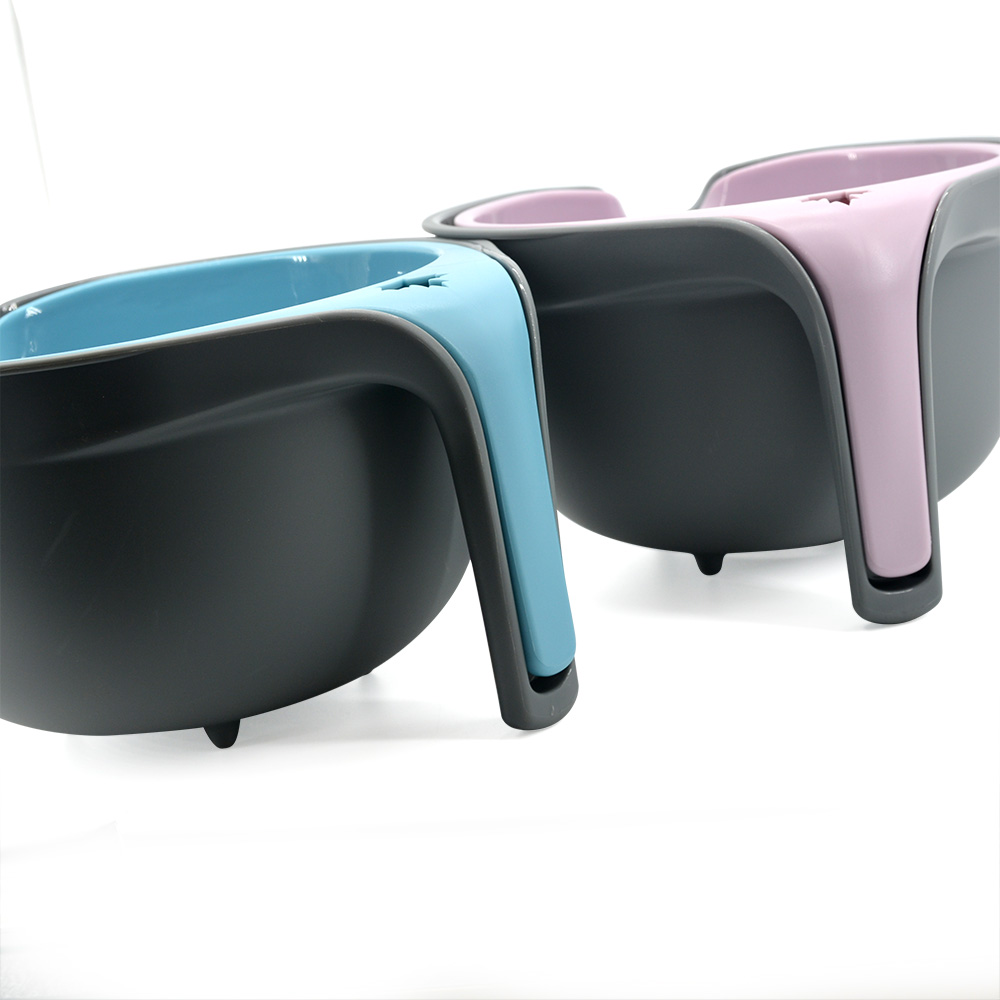
This guide rewrites the original product introduction into a more useful sourcing article for buyers evaluating kitchen drain baskets and colander sets from China. It uses the explicit product details available for the ChicCraft Colander and Bowl Set: a soft lilac colander with uniquely cut drainage holes, paired with a dark gray mixing bowl and an ergonomic handle. It is described as food-safe, stain-resistant, and stackable for easier storage. Any additional commercial details, such as order quantities, testing documents, lead times, or customization options, should be confirmed directly with the supplier before purchase.
Key Takeaways
- Choose a drain basket supplier based on product consistency, drainage design, material documentation, packaging control, and communication quality.
- The ChicCraft Colander and Bowl Set combines a soft lilac colander with a dark gray mixing bowl for rinsing, draining, mixing, and compact storage.
- Buyers should request samples to test water flow, grip comfort, staining, odor retention, stacking stability, and cleaning convenience.
- Do not assume certifications, MOQ, production capacity, or custom branding options unless the supplier provides written confirmation.
Why Drain Basket Sourcing Can Be Difficult
Many kitchenware buyers begin by searching for a low-cost drain basket supplier China can provide, but price alone rarely predicts customer satisfaction. A basket that drains slowly can frustrate end users. A weak rim or uncomfortable handle can make the product feel cheap. A poor bowl-and-colander fit can cause wobbling during use. Small design flaws often become large after-sales problems when products are sold through retail, e-commerce, supermarket, or hospitality channels.
Common sourcing problems include inconsistent wall thickness, rough edges, uneven color matching, weak handles, poor packaging protection, and delays caused by unclear order specifications. Buyers may also encounter suppliers who present attractive photos but cannot provide enough detail about materials, quality checks, or carton packing. Before selecting China drain basket manufacturers, create a clear checklist of functional, visual, and commercial requirements.
Product Focus: ChicCraft Colander and Bowl Set
The original article highlights the ChicCraft Colander and Bowl Set as a kitchen drainage solution. Based on the available description, the set includes a soft lilac colander with uniquely cut holes for efficient drainage and content retention. It is paired with a robust dark gray mixing bowl and includes an ergonomic handle for easier handling. The set is also described as made from food-safe, stain-resistant materials and designed to be stackable, which can help save space in compact kitchens.
For B2B buyers, the value of this type of set is its versatility. It can be positioned for rinsing produce, draining washed ingredients, straining pasta, collecting water in the bowl, or mixing food preparation items. The bowl-and-colander pairing may appeal to retailers looking for a more complete kitchen prep item than a standalone basket. However, buyers should still verify actual dimensions, material type, heat tolerance, color options, packaging format, and care instructions before confirming a wholesale order.
Supplier Evaluation Checklist
A trustworthy drain basket supplier should be able to answer detailed questions and provide consistent samples. Use the checklist below during supplier screening, sample review, and purchase negotiation.
| Evaluation Area | What to Check | Questions to Ask the Supplier |
|---|---|---|
| Drainage performance | Hole size, placement, draining speed, food retention | Can you provide close-up photos or sample testing for the drainage hole design? |
| Material information | Material name, food-contact suitability, stain resistance claim | What material is used, and what documents can verify food-contact suitability? |
| Handling and stability | Grip comfort, handle strength, bowl fit, stacking stability | How is handle durability checked during production? |
| Appearance consistency | Color matching, surface finish, rough edges, molding marks | What visual inspection standard is used before packing? |
| Packaging | Retail packaging, carton strength, barcode or label needs | Can packaging be adapted for wholesale, e-commerce, or retail display? |
| Commercial terms | MOQ, lead time, payment terms, sample cost, customization | What are the current MOQ and lead time for this specific product? |
How to Inspect Samples Before Ordering
Sample review should be practical, not just visual. Fill the colander with common ingredients such as leafy vegetables, berries, or pasta shapes to see whether the uniquely cut holes drain water efficiently while keeping contents inside. Place the colander into the dark gray bowl and check whether the set feels stable on a flat surface. Test the ergonomic handle with wet hands to assess grip comfort and control.
Also examine surface smoothness, rim finishing, color consistency, and ease of cleaning after contact with strongly colored foods. Because the product is described as stain-resistant, buyers should ask what internal or third-party checks support that statement. If the item will be sold in regions with strict food-contact rules, request the relevant documentation instead of relying on verbal assurances.
Wholesale and OEM Questions to Clarify
If you are sourcing for wholesale distribution, retail shelves, online marketplaces, or private label programs, clarify the commercial and operational details early. This prevents misunderstandings after artwork, packing, or shipment planning has started.
- What is the exact product size, weight, material, and packing method?
- Is the ChicCraft name fixed, or can the product be supplied without branding or with buyer branding?
- What colors are currently available, and are custom colors possible?
- What is the MOQ for standard orders and for customized packaging?
- What quality inspection steps are used before goods leave the factory?
- Can the supplier provide product photos, care instructions, and packaging files for review?
- Which documents can support food-contact, material, or import compliance requirements in the buyer's market?
Product Selection Tips for Different Channels
For supermarket and homeware retailers, packaging appearance, shelf efficiency, and easy-to-understand product benefits matter. A stackable colander and bowl set can be easier to merchandise than loose kitchen tools if the packaging clearly shows how the two pieces work together. For e-commerce sellers, the product should be photographed from multiple angles, including drainage holes, handle details, nesting position, and bowl depth.
For hospitality, catering, or institutional buyers, durability and cleaning convenience may matter more than color. Ask whether the material and design are suitable for the intended cleaning method and daily handling environment. For promotional or private-label projects, confirm logo placement, color tolerance, packaging approval steps, and sample approval timing before committing to a launch schedule.
Care and Use Guidance for End Customers
Although this article is written for B2B sourcing, end-user care guidance can reduce complaints and improve product listings. Customers should rinse the colander and bowl soon after use, especially after contact with sauces, oils, or strongly colored ingredients. They should avoid using sharp tools that may scratch the surface. If dishwasher use, heat exposure, or microwave use is important to the target market, buyers should confirm these details with the supplier and include only verified instructions on packaging or listings.
Clear use-and-care information is especially important when selling kitchen products internationally. Do not copy generic care claims from another product. Confirm the correct instructions for this exact drain basket set and translate them accurately for each market.
FAQ
What makes a good drain basket supplier in China?
A good supplier provides consistent samples, clear material information, practical packaging options, responsive communication, and written answers to questions about MOQ, lead time, inspection, and documentation.
Can the ChicCraft Colander and Bowl Set be used for both rinsing and mixing?
Based on the original product description, the set includes a colander for drainage and a dark gray mixing bowl, so it is intended for multiple kitchen preparation tasks. Buyers should confirm exact use limitations with the supplier.
Should buyers request samples before placing a wholesale order?
Yes. Samples help confirm drainage speed, handle comfort, stacking, color, finish, cleaning performance, and packaging quality before larger purchasing decisions are made.
Are food-contact certifications included?
The original description says the materials are food-safe, but it does not list specific certifications or test reports. Buyers should ask the supplier which documents are available for their target market.
What details should be confirmed before OEM or private-label production?
Confirm branding rights, logo method, packaging design, MOQ, sample approval process, production lead time, inspection criteria, carton labeling, and any required compliance documents.
Final Sourcing Advice
A drain basket may look like a basic kitchen item, but buyers should treat it as a product that depends on function, finish, and reliable production control. The ChicCraft Colander and Bowl Set offers a clear product concept with a soft lilac colander, uniquely cut drainage holes, a dark gray mixing bowl, an ergonomic handle, and stackable storage. To make a confident sourcing decision, verify the details that matter for your channel: material documentation, sample performance, packaging, order terms, and quality inspection procedures. Careful supplier qualification helps reduce risk and supports a better product experience for your customers.
