




Top Household Scissors Manufacturer: Style & Precision
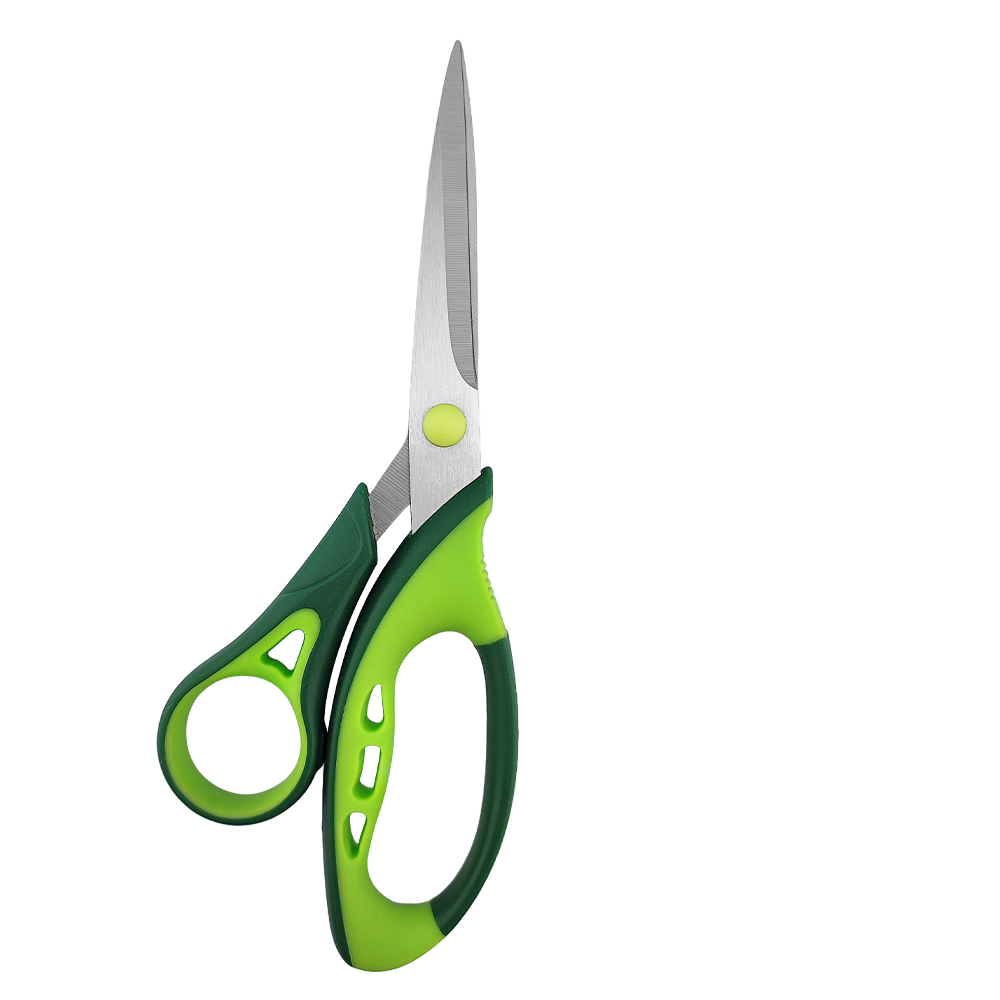
Choosing a household scissors manufacturer is not only about finding a product that looks attractive in a catalog. For retailers, importers, promotional buyers, and private-label brands, the real question is whether a supplier can consistently deliver scissors that feel comfortable, cut cleanly, and match the intended use case. The GreenEdge Precision Scissors shown below provide a useful example for evaluating design, handling, and sourcing questions without relying on vague claims.

The original product description highlights a vibrant dual-tone green design, contoured soft non-slip handles, stainless steel blades, a robust pivot screw, and use across paper, card, fabric, craft, sewing, household, and office tasks. Those details are helpful starting points. However, a B2B buyer should go further by checking how these features are specified, tested, packed, and maintained from sample approval to repeat production.
Key Takeaways
- Assess household scissors by comfort, cutting performance, pivot alignment, finish, packaging, and consistency.
- Ask suppliers to define blade material, hardness, handle material, tolerance, and inspection standards in writing.
- For OEM scissors, confirm customization options, artwork requirements, sample approval process, and production controls before placing an order.
- A visually distinctive handle design can support retail appeal, but performance and quality control determine long-term customer satisfaction.
What Makes a Good Household Scissors Manufacturer?
A capable household scissors manufacturer should be able to explain more than the appearance of a product. Buyers should expect clear answers about materials, production steps, inspection procedures, packaging options, and after-sales handling. If a supplier describes scissors as suitable for general household or office use, ask what materials they have been evaluated on and whether samples are available for your own testing.
For private-label projects, the manufacturer should also be comfortable discussing handle colors, logo placement, blade finish, retail packaging, carton packing, and documentation requirements. Do not assume that every factory offering OEM scissors can provide the same level of customization. Some may focus on standard models with light branding, while others may support deeper changes to handle shape or packaging design.
Design and Ergonomics: Why Handle Comfort Matters
The GreenEdge Precision Scissors are described as having contoured handles made with a soft, non-slip material. For household scissors, this is an important feature because users may cut paper, packaging, labels, card, or craft materials for extended periods. A handle that feels secure can reduce slipping and improve control, especially when making repeated cuts.
When comparing suppliers, request physical samples and test them with different hand sizes. Check whether the handle openings are comfortable, whether the inner edges feel smooth, and whether the grip material is evenly applied. A modern dual-tone color design can help a product stand out on a retail shelf, but it should not hide rough molding lines, sharp handle edges, or inconsistent finishing.
Blade Performance and Pivot Alignment
The original article notes stainless steel blades and a robust pivot screw. These are central to everyday cutting performance. In practice, buyers should evaluate how smoothly the blades open and close, whether the tips meet properly, and whether the scissors cut from the base of the blade through to the tip without snagging.
Ask a professional scissors supplier what blade specifications are available and how blade sharpness is inspected. If the supplier uses terms such as “premium” or “professional,” request measurable details instead of relying on marketing language. Useful questions include: What blade material is used? Is the blade hardness specified? How is the pivot screw adjusted during production? What is the accepted rate for alignment defects? These questions help turn a general product description into a controlled purchasing specification.
Common Use Cases for Household Scissors
Household scissors are often expected to handle many light-to-medium tasks rather than one specialized job. The source article mentions paper, card, fabric, craft projects, sewing, general household use, and office work. That broad use profile makes versatility important, but it also means buyers should define the primary selling scenario clearly.
- Office and school use: prioritize smooth cutting of paper, labels, envelopes, and light card.
- Craft and hobby use: evaluate control, tip precision, comfort, and ability to handle repeated cuts.
- Household utility: consider packaging, twine, coupons, and general kitchen drawer tasks, while avoiding unsupported claims about heavy-duty materials.
- Sewing and fabric use: test on intended fabrics and clarify whether the model is general-purpose or designed specifically for textiles.
A supplier may market one model across all categories, but buyers should test the product against the most important use cases for their customers.
Comparison Checklist for Sourcing Household Scissors
| Evaluation Area | What to Check | Questions to Ask the Supplier |
|---|---|---|
| Handle design | Comfort, grip, opening size, surface finish | What handle materials and color options are available? |
| Blade quality | Sharpness, edge consistency, tip alignment | What blade material and inspection method are used? |
| Pivot screw | Smooth movement, stable tension, no looseness | How is pivot tightness controlled during production? |
| Cutting performance | Paper, card, fabric, and other intended materials | Can samples be tested before order confirmation? |
| OEM options | Logo, color, packaging, labeling | What customization is possible and what files are required? |
| Quality control | Visual defects, alignment, carton condition | What inspection standard will be agreed before shipment? |
OEM and Wholesale Buying Considerations
If you are sourcing OEM scissors for a retail brand, promotional program, or wholesale catalog, confirm commercial details early. Ask about available models, sample lead time, order quantities, packaging formats, carton dimensions, barcode or label requirements, and whether product instructions can be customized. Do not assume that a supplier’s standard model will automatically meet the requirements of your sales channel.
It is also wise to create a written specification sheet. Include product name, blade and handle description, color reference, logo position, packaging artwork version, inspection criteria, and approved sample photos. This document helps prevent misunderstandings when moving from a showroom sample to mass production.
Quality Control Before Shipment
For household scissors, small defects can be very noticeable to end users. Uneven handle molding, loose pivot screws, rough blade edges, dull tips, or inconsistent packaging can lead to returns and negative reviews. Buyers should define a practical inspection process before shipment rather than after problems appear.
A basic inspection can include checking appearance, opening and closing action, cutting performance, blade alignment, handle cleanliness, packaging print, and carton strength. If the scissors will be sold in a regulated market or a specific retail chain, ask what documentation the supplier can provide and verify whether additional third-party testing is required. Avoid relying on general statements; request the exact documents relevant to your market.
FAQ
What should I ask a household scissors manufacturer first?
Start with the intended use, available product models, blade and handle materials, sample policy, customization options, packaging choices, quality control process, and order requirements. These answers will show whether the supplier fits your project.
Are stainless steel blades enough to guarantee good scissors?
No. Stainless steel is useful information, but cutting performance also depends on blade geometry, sharpening, pivot alignment, tension control, and final inspection. Always test samples on the materials your customers will cut.
Can household scissors be customized for OEM orders?
Many suppliers offer some level of OEM customization, such as handle color, logo, or packaging. The exact options, costs, minimum order requirements, and artwork rules should be confirmed directly with the supplier.
How can buyers compare samples from different suppliers?
Use the same test materials, such as paper, card, and fabric if relevant. Compare comfort, smoothness, cutting from heel to tip, tip precision, finish, and packaging quality. Keep written notes and photos for decision-making.
Is a stylish handle design important for wholesale scissors?
It can help with shelf appeal and product differentiation, especially in retail packaging. However, handle comfort, blade performance, consistency, and packaging reliability should carry more weight in sourcing decisions.
