




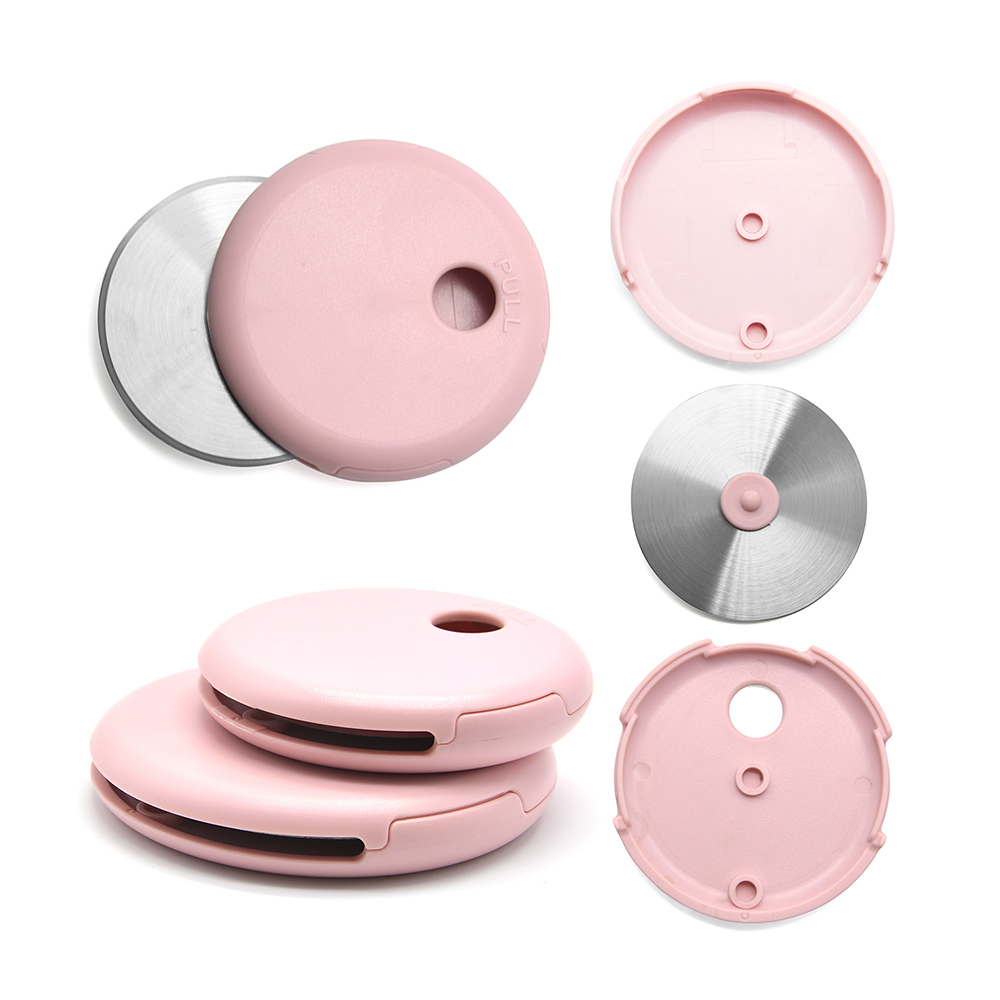
Top Pizza Cutter Manufacturer: Quality and Design
Choosing a pizza cutter manufacturer is not only about finding a low unit price. For kitchenware retailers, restaurant suppliers, promotional product buyers, and private-label brands, the right supplier affects product consistency, customer satisfaction, packaging quality, and repeat purchasing. A pizza cutter looks simple, but buyers still need to evaluate blade performance, handle comfort, safety, durability, order flexibility, and communication before placing a wholesale or OEM order.
This guide rewrites the topic from a practical sourcing perspective. It explains what to ask a pizza slicer factory, how to compare wholesale options, and how to review design and quality without relying on unsupported claims. Use it as a checklist before requesting samples or confirming a production order.
Key Takeaways
- A reliable pizza cutter manufacturer should be assessed through samples, quality checks, packaging options, and clear commercial terms.
- Wholesale buyers should ask about materials, blade sharpness, handle design, safety features, and customization before ordering.
- Do not rely on product photos alone; test how the cutter performs on thin crust, thick crust, and toppings.
- For OEM or private-label projects, confirm artwork requirements, packaging files, lead times, inspection standards, and responsibilities in writing.
Why Manufacturer Selection Matters
A pizza cutter is a common kitchen tool, but small design differences can strongly affect user experience. A wheel that wobbles, a handle that feels unstable, or a blade that drags through toppings can lead to complaints. For business buyers, those complaints may become returns, negative reviews, or inconsistent brand perception.
The original article correctly highlights durability, safety, user-friendly design, and wholesale sourcing as important factors. In a B2B context, these ideas should be converted into measurable questions. What material is used for the blade and handle? How is sharpness checked? Is there a blade guard or protective packaging? Can the supplier provide consistent appearance across repeat orders? These questions help separate a capable pizza slicer factory from a seller that only provides a catalog listing.
What to Ask a Pizza Cutter Manufacturer
Before discussing price, buyers should understand the supplier’s production and quality process. You do not need to assume a factory has specific certifications, test results, or production capacity unless they provide proof. Instead, ask clear questions and request documents or samples where appropriate.
- Materials: What materials are used for the blade, handle, axle, and any guard or cover?
- Blade performance: How is sharpness evaluated before shipment, and can buyers approve a pre-production sample?
- Safety: Does the design include any protective feature, packaging insert, or warning label?
- Ergonomics: Is the handle comfortable for repeated use in home and foodservice settings?
- Quality control: What inspections are performed for appearance, assembly, wheel rotation, and packaging?
- Customization: Which parts can be customized, such as handle color, logo placement, retail box, or instruction card?
- Commercial terms: What are the MOQ, sample cost, production lead time, payment terms, and shipping options?
Pizza Cutter Wholesale vs OEM Sourcing
Pizza cutter wholesale can be suitable for retailers and distributors that need ready-to-sell products with limited customization. OEM sourcing is more appropriate when a buyer wants a unique appearance, branded packaging, or a product line that fits an existing kitchenware range. The best choice depends on budget, timeline, brand requirements, and order volume.
| Sourcing Option | Best For | What to Check |
|---|---|---|
| Standard wholesale | Fast replenishment, general retail, restaurant supply | Available stock, product consistency, packaging, unit pricing, carton details |
| Private label | Retailers building a branded kitchenware range | Logo method, packaging design files, barcode needs, approval samples |
| OEM development | Brands requiring a specific shape, handle, color, or feature | Tooling needs, development timeline, sample rounds, ownership of design assets |
| Promotional sourcing | Corporate gifts, campaigns, event merchandise | Print area, color matching, deadline, packaging style, shipment schedule |
Design Features That Affect Real Use
Modern pizza cutters often combine compact form, simple operation, and a cleaner visual style. However, buyers should look beyond appearance. A cutter should feel balanced in the hand and allow enough downward pressure to cut crust without slipping. If the wheel is too small, it may struggle with thicker crust. If the handle is poorly shaped, repeated use can feel uncomfortable.
Useful design points to review include the wheel diameter, smoothness of rotation, handle grip, ease of cleaning, storage method, and whether the product has a blade guard or cover. If a supplier describes the blade as stainless steel or the handle as a specific material, ask them to confirm the exact material and provide supporting information. Avoid adding those claims to your own product listing until they are verified.
Sample Testing Before a Bulk Order
Samples are essential for pizza cutter wholesale and OEM decisions. Product photos can show color and shape, but they cannot prove cutting performance. Test samples in the way your customers are likely to use them. For example, a restaurant supplier should test repeated slicing, while a retail brand may also evaluate packaging, shelf presentation, and consumer instructions.
- Cut thin-crust, thick-crust, and topping-heavy pizzas to check performance.
- Inspect whether the wheel rotates smoothly without looseness or scraping.
- Check the handle for comfort, grip security, and visible defects.
- Wash and dry the cutter according to the supplier’s guidance, then inspect for changes.
- Review packaging for protection, labeling space, and retail presentation.
- Record feedback and confirm any requested changes before production begins.
Quality Control and Packaging Questions
A dependable pizza slicer factory should be able to explain how it manages product consistency. Buyers should ask what defects are checked and at which stage of production. Typical concerns include dull blades, loose wheels, uneven handles, scratches, color variation, damaged packaging, and incorrect labeling. If third-party inspection is important to your company, discuss whether the supplier can support it before shipment.
Packaging also deserves attention. A sharp cutting tool needs secure packaging to reduce damage during transport and handling. Retail buyers may need a hanging card, color box, instruction insert, barcode area, or multilingual labeling. Foodservice distributors may prefer simpler bulk packaging. Confirm carton packing, gross weight, and shipping marks with the supplier rather than assuming standard details.
How to Compare Supplier Quotations
When comparing quotations from multiple pizza cutter manufacturers, make sure each supplier is pricing the same product scope. A lower price may reflect a different material, smaller size, simpler packaging, fewer inspections, or different trade terms. Ask for a written quotation that includes product description, customization details, packaging, MOQ, sample timing, lead time, payment terms, and shipping term.
It is also helpful to evaluate communication quality. A supplier that answers questions clearly, provides organized sample feedback, and confirms details in writing is often easier to work with during repeat orders. For long-term sourcing, reliability and problem-solving can matter as much as the initial price.
Practical FAQ
What should I check first when choosing a pizza cutter manufacturer?
Start with samples, material information, quality control process, packaging options, and commercial terms. Confirm what is included in the quotation before comparing prices.
Is pizza cutter wholesale better than OEM?
Wholesale is usually faster for standard products. OEM is better when you need custom design, branding, color, packaging, or a product that matches a specific retail line.
Can a pizza cutter be customized with a logo?
Many suppliers may offer logo or packaging customization, but available methods depend on the product material and order quantity. Ask for artwork requirements, sample approval, and durability expectations.
How can I avoid quality problems in bulk orders?
Approve a sample, define inspection points, confirm packaging, and put requirements in writing. For larger orders, consider pre-shipment inspection based on your company’s standards.
What information should I request before placing an order?
Ask for product materials, dimensions, packaging details, MOQ, lead time, payment terms, shipping terms, customization options, and any available test or compliance documents relevant to your market.
