




Top Plastic Measuring Cup Manufacturer: Quality & Style
Plastic measuring cups are simple products, but they influence accuracy, user comfort, shelf appeal, and repeat purchasing. For retailers, distributors, kitchenware brands, hospitality buyers, and promotional product teams, choosing a plastic measuring cup manufacturer should involve more than comparing unit cost. A good sourcing process looks at material clarity, marking readability, handle comfort, pouring control, packaging, quality consistency, and how well the supplier communicates commercial details.
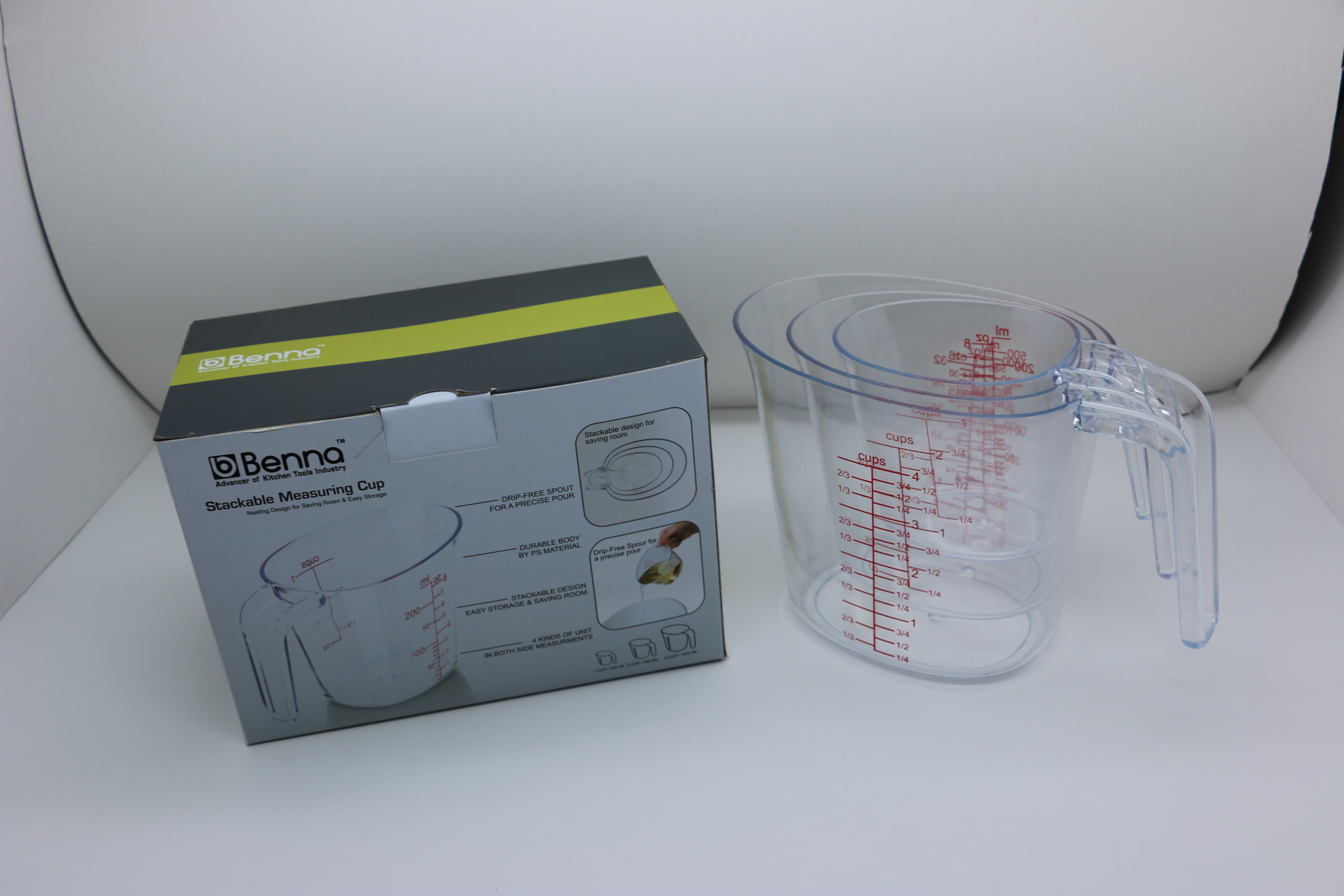
The original product concept described here is a set of brown translucent plastic measuring jugs. Useful details include easy visibility of contents through the translucent body, clear markings in both metric and imperial units, ergonomic handles for a secure grip, and a trio set format with varied capacities. These facts make the product relevant for home kitchens, restaurants, baking environments, and retail shelves. The guidance below explains how to evaluate a manufacturer or wholesale supplier without relying on unsupported claims.
Key Takeaways
- Choose a plastic measuring cup manufacturer based on product consistency, marking accuracy, packaging quality, and communication, not price alone.
- For wholesale plastic measuring cups, ask clear questions about materials, available capacities, carton packing, customization, lead time, and quality checks.
- Translucent brown plastic can help users see contents while giving the measuring jug a distinctive retail appearance.
- Metric and imperial markings are useful for buyers serving international customers or recipe users with different measurement habits.
- A trio measuring jug set can support multiple kitchen tasks, but buyers should confirm the exact capacities before ordering.
What Buyers Should Look for in a Plastic Measuring Cup Manufacturer
A reliable manufacturer should be able to explain how the product is made, how markings are applied, and how finished goods are inspected. Buyers do not need every technical detail at the first conversation, but they should expect clear answers. If the supplier cannot confirm basic information such as material type, packaging options, sample availability, or production lead time, that is a warning sign.
For B2B sourcing, request physical samples before committing to a bulk order. With measuring products, online images rarely show whether the cup sits flat, whether the handle feels stable when filled, or whether the measurement lines are easy to read under normal kitchen lighting. A sample also helps buyers check whether the translucent brown finish matches their retail positioning or brand style.
Product Details That Matter in Daily Use
Measuring cups are handled repeatedly, often with wet hands, flour-dusted fingers, or hot kitchen conditions nearby. The original article highlights ergonomic handles, which is an important point to verify in person. A good handle should allow a secure grip and controlled pouring without forcing the wrist into an uncomfortable angle.
The translucent body is another practical feature. It allows the user to see liquid levels or ingredients inside the jug, while the brown tone gives the product a different look from clear or white measuring cups. However, buyers should check that the color does not reduce the visibility of measurement markings. The best design balance is one where the cup looks distinctive but remains easy to read.
Metric and Imperial Markings: Why Readability Matters
Clear markings are one of the most important features of any measuring cup. The source article states that the jugs include both metric and imperial units. This is useful for consumers who follow recipes from different regions and for retailers selling to mixed markets. Buyers should still ask how the markings are created, whether they are molded, printed, embossed, or otherwise applied, and how they perform after washing and frequent use.
When reviewing samples, fill the cup with water and check the markings from the side at eye level. Look for consistent spacing, strong contrast, and logical labeling. If the markings are too small, too faint, or placed where the handle blocks the view, customers may find the product frustrating even if the plastic itself feels durable.
Wholesale Plastic Measuring Cups: Comparison Checklist
| Evaluation Point | What to Check | Questions to Ask the Supplier |
|---|---|---|
| Material information | Clarity, weight, feel, and intended food-contact use | What plastic material is used, and what documentation can be provided? |
| Measurement markings | Metric and imperial readability, placement, and durability | How are the markings applied, and how are they checked for accuracy? |
| Handle design | Grip comfort, balance, and pouring control | Can samples be tested with filled cups in all available sizes? |
| Set configuration | Trio set format and available capacities | What exact capacities are included in the set? |
| Packaging | Retail box, label, barcode, carton strength, and display needs | What packaging options are available for wholesale or private label orders? |
| Commercial terms | Lead time, MOQ, payment terms, and reorder process | What are the current MOQ, lead time, and sample policy? |
How to Assess a Trio Measuring Jug Set
The original product is described as a trio set that caters to various capacities. A set format can be attractive because it gives users more flexibility than a single jug. Small, medium, and larger measuring cups can serve different tasks, from portioning sauces to preparing baking ingredients. For retail buyers, a set can also create a stronger perceived value on the shelf.
Before purchasing, confirm the exact capacities, nesting behavior, packaging dimensions, and whether all cups share the same marking style. If the set is intended for restaurants or other professional kitchens, ask whether the supplier has experience shipping to commercial buyers and whether replacement or reorder quantities can be handled consistently.
OEM, Branding, and Packaging Questions
If you are sourcing as a kitchenware brand, supermarket buyer, or distributor, you may need more than a generic product. Ask whether the supplier can support logo placement, color selection, label design, barcode application, instruction inserts, or retail-ready packaging. Do not assume these services are included just because the supplier offers wholesale plastic measuring cups.
For OEM or private label work, provide a written specification sheet. Include target capacity, color, marking units, packaging format, carton requirements, shipping marks, and any market-specific documentation you require. If you need compliance documents, food-contact declarations, or third-party testing, ask directly and review the actual documents rather than relying on verbal assurances.
Quality Control Before Bulk Ordering
Measuring cups should be checked for both appearance and function. Buyers can create a simple incoming inspection plan covering visual defects, handle stability, base flatness, marking readability, color consistency, and packaging condition. If accuracy is critical for your market, discuss inspection methods with the supplier before production begins.
It is also wise to test how the cups perform after washing and repeated handling. Plastic kitchenware can look good in a product photo but still disappoint users if markings fade, edges feel rough, or the cup becomes awkward to pour when full. A small investment in sample testing can prevent expensive problems after the order arrives.
Practical FAQ
What makes a good plastic measuring cup manufacturer?
A good manufacturer provides clear product information, consistent samples, readable markings, reliable packaging options, and transparent answers about MOQ, lead time, materials, and quality checks.
Are brown translucent measuring cups practical?
They can be practical because the translucent body helps users see contents while the brown color creates a distinctive appearance. Buyers should confirm that measurement markings remain easy to read.
Should wholesale buyers choose a single cup or a trio set?
A trio set offers more flexibility for different kitchen tasks and can be attractive for retail shelves. Buyers should confirm the exact capacities and packaging dimensions before ordering.
What should I ask before placing an OEM order?
Ask about material details, marking method, customization options, packaging, sample timing, MOQ, production lead time, quality inspection steps, and any documentation required for your sales market.
Can metric and imperial markings support broader sales?
Yes. Dual-unit markings help customers who use recipes from different countries, but readability and accuracy should be verified with samples before bulk purchasing.
