




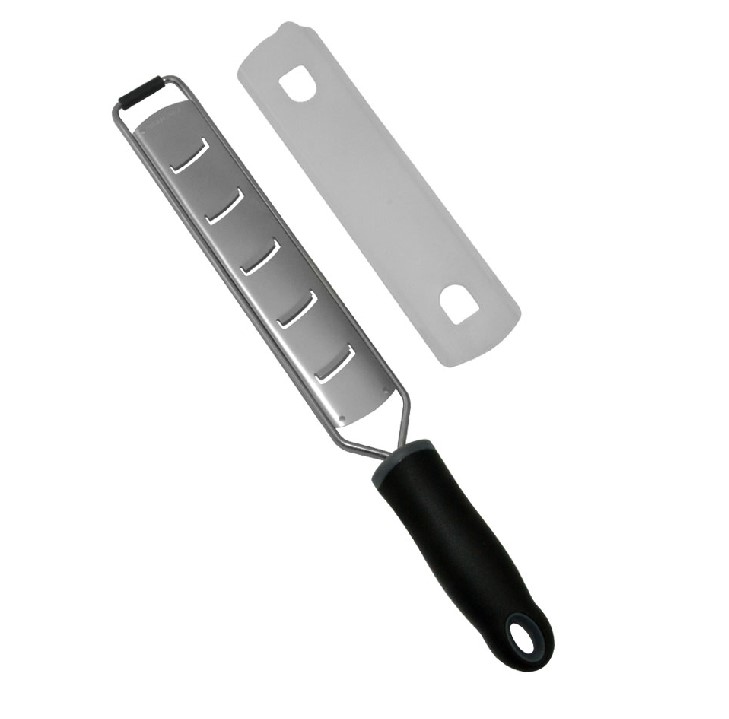
Top Stainless Steel Grater Supplier: Quality and Function
Choosing a stainless steel grater supplier is not only about finding a product that looks good in a catalog. For importers, wholesalers, distributors, supermarket buyers and kitchenware brands, the right supplier should help you balance cutting performance, durability, safe handling, packaging needs and consistent order execution. The original article highlights stainless steel kitchen graters for shredding cheese, zesting citrus, grating spices and handling common kitchen preparation tasks. This rewritten guide expands that idea into a practical sourcing checklist for B2B buyers.
A grater is a simple tool, but small details affect user satisfaction: blade sharpness, handle comfort, storage protection, cleaning convenience and whether the product fits the target retail channel. Before placing an order, buyers should confirm which features are standard, which are optional and which require OEM development.
What Buyers Should Expect From a Stainless Steel Grater Supplier
A dependable stainless steel grater supplier should be able to explain the product range clearly. If you are sourcing handheld graters, ask whether the available options include different sizes, fine or coarse grating surfaces, protective covers, hanging holes and soft-grip handles. These features were mentioned in the source article and are useful for comparing models, but buyers should still verify the exact specification for each SKU.
For B2B orders, supplier communication matters as much as the sample itself. A good supplier should answer questions about packaging format, carton information, lead time, customization options, inspection process and after-sales handling. If a claim is important for your market, request written confirmation rather than relying on a short product description.
Product Features to Compare Before Ordering
Stainless steel kitchen graters are commonly used for cheese, citrus zest, spices, chocolate and vegetables. However, not every grater is designed for the same task. A fine grater may work well for zesting, while a wider or coarser surface may be more suitable for cheese or vegetables. Buyers should match the grating pattern to the end user’s expected cooking habits.
- Blade surface: Check the sharpness, spacing and finish of the cutting area on samples.
- Handle design: Soft-grip handles may reduce hand fatigue, especially for repeated use.
- Storage safety: Protective covers can reduce the risk of blade contact in drawers or retail packaging.
- Cleaning: If dishwasher-safe performance is claimed, ask the supplier how that claim is supported.
- Storage detail: Hanging holes can be useful for display, kitchen organization or retail presentation.
Do not assume that all stainless steel graters share the same material grade, surface finish or blade process. If these details are relevant to your product positioning, request a product specification sheet and compare it with the physical sample.
Supplier Comparison Checklist
The table below can help sourcing teams compare stainless steel grater manufacturers and trading suppliers in a structured way. It avoids vague claims and focuses on verifiable questions.
| Evaluation Area | What to Check | Why It Matters |
|---|---|---|
| Product range | Handheld sizes, grating styles, covers, handle options and hanging holes | Helps match the product to retail, wholesale or foodservice needs |
| Sample quality | Blade consistency, handle fit, surface finish and ease of use | Shows whether the product feels reliable before bulk ordering |
| Claims | Dishwasher-safe, rust resistance or other performance statements | Claims should be supported by supplier documentation or testing information |
| OEM options | Logo, color, packaging, barcode, instruction sheet and carton marks | Important for private label and channel-specific programs |
| Order terms | MOQ, lead time, payment terms, packing method and inspection schedule | Reduces commercial risk and prevents late-stage surprises |
| Quality control | Incoming material checks, in-process checks and final inspection criteria | Supports consistency across repeat orders |
OEM and Wholesale Questions to Ask
If your search intent is to find a stainless steel grater supplier for OEM, wholesale or private label purchasing, prepare questions before requesting a quotation. Clear questions save time and make supplier responses easier to compare.
- Which grater models are currently available, and which features are standard?
- Can the supplier provide samples for blade performance, handle comfort and packaging review?
- What customization options are available for handle color, logo, packaging or product set combinations?
- What is the MOQ for standard items and for customized items?
- What documents or test information can support any safety, cleaning or durability claims?
- How are sharp edges protected during storage, transport and retail display?
- What inspection criteria are used before shipment?
When comparing quotations, avoid choosing only by unit price. A lower price can become expensive if the grater has inconsistent blades, weak packaging, unclear carton labeling or delayed delivery. Ask suppliers to quote against the same specification so the comparison is fair.
Quality Checks for Stainless Steel Kitchen Graters
Before approving bulk production, inspect a sample under normal use conditions. Test the grater with the foods most relevant to your market, such as cheese, citrus peel, spices or hard vegetables. Note whether the grater cuts cleanly, clogs easily or feels unstable in the hand. Also check whether the handle remains comfortable during repeated use.
Visual checks are also important. Look for burrs, uneven surfaces, loose handles, poorly fitting protective covers and packaging that allows movement during shipping. If the product includes a hanging hole, confirm that it is cleanly formed and practical for display or storage. If the supplier describes the product as dishwasher-safe or rust-resistant, request the basis for that statement and confirm whether it applies to all parts of the product.
Packaging and Channel Fit
A stainless steel grater sold to a supermarket, online marketplace, restaurant supply distributor or promotional channel may need different packaging. Retail packaging may require clear product visibility, safety warnings, barcode placement and multilingual instructions. E-commerce packaging may need additional protection to reduce damage during parcel delivery. Wholesale cartons should be easy to identify, count and store.
Buyers should ask whether the supplier can support neutral packaging, private label packaging or custom display packaging. Also confirm who provides artwork, how approvals are handled and whether packaging changes affect MOQ or lead time. These are commercial details that should be confirmed directly with the supplier rather than assumed.
Key Takeaways
- A stainless steel grater supplier should be evaluated on product consistency, communication and verifiable claims.
- Useful features may include sharp grating surfaces, soft-grip handles, protective covers, multiple sizes and hanging holes.
- For OEM or wholesale orders, ask direct questions about MOQ, customization, lead time, packaging and inspection.
- Samples should be tested with real foods such as cheese, citrus, spices, chocolate or vegetables.
- Do not rely on broad claims; request specifications or supporting information when performance claims matter.
FAQ
How do I choose a stainless steel grater supplier?
Start by comparing samples, product specifications, communication speed, packaging options and quality control process. Ask the same questions to each supplier so quotations can be compared fairly.
What features are useful in stainless steel kitchen graters?
Commonly useful features include a sharp grating surface, comfortable handle, protective cover, practical size options and a hanging hole for storage. Confirm which features apply to the exact model you plan to order.
Can stainless steel grater manufacturers support OEM orders?
Many manufacturers may offer OEM options, but buyers should confirm available customization, MOQ, logo method, packaging support and lead time directly with the supplier.
Should I ask for testing documents?
Yes, especially if you plan to use claims such as dishwasher-safe, rust-resistant or food-contact suitability in your market. Ask what documents or test information the supplier can provide.
What should be checked before bulk shipment?
Check blade consistency, handle assembly, protective cover fit, surface finish, packaging strength, carton marks and the agreed inspection standard before shipment is released.
