




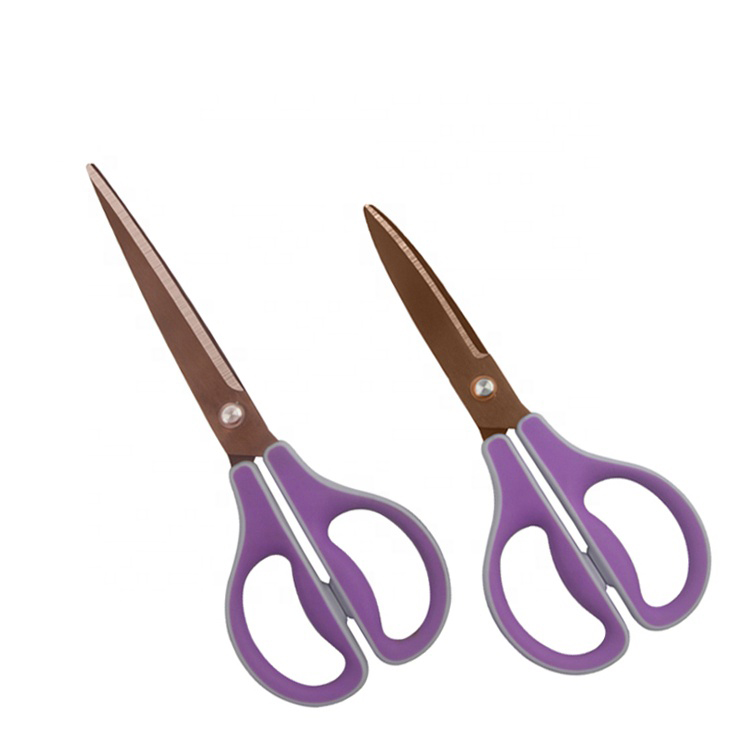
Trendy Office Scissors: Stylish & Functional Tools for Modern Workspaces
Office scissors are simple tools, but they are used more often than many buyers expect. They open parcels, trim labels, cut paper, support craft projects, and sit in view on desks, reception counters, classrooms, and studio tables. That is why trendy office scissors are no longer judged only by whether they cut. Buyers now look at comfort, appearance, handling, and suitability for different tasks.
The original appeal of this product category is clear: a pair of scissors can be both practical and visually interesting. Designs with copper-toned blades, vibrant molded handles, and comfortable grips can make a workspace feel more organized without sacrificing everyday usefulness. The key is to separate attractive styling from meaningful quality, especially if you are sourcing for an office, retailer, stationery brand, or promotional product program.
Key Takeaways
- Trendy office scissors should balance appearance with smooth, reliable cutting.
- Ergonomic handles matter for frequent use, especially in offices, schools, and craft settings.
- For B2B sourcing, ask suppliers about materials, sample approval, packaging, consistency, and quality checks.
- Choose scissors according to the real task: desk use, package opening, paper craft, or light creative trimming.
Why Office Scissors Have Become a Design Detail
Modern workspaces often use carefully selected accessories to create a clean and coordinated environment. Pens, trays, notebooks, clips, and scissors are visible on the desk, so their appearance matters. A stylish pair of scissors can fit into a home office, design studio, boutique counter, or executive workspace more naturally than a plain utility tool.
However, appearance should never be the only deciding factor. A decorative tool that feels awkward, bends during use, or produces rough cuts will quickly become frustrating. Good product selection starts with a practical question: will this pair of scissors perform the daily jobs your users actually need?
What to Look for in Stylish Desk Scissors
When comparing trendy office scissors, focus on features that affect both use and presentation. The blade should open and close smoothly, the tips should align well, and the handle should feel stable in the hand. If the design includes copper-toned blades or bright handles, check that the finish looks consistent across samples and does not distract from cutting performance.
For users who cut paper frequently, precision and control are important. For users who mainly open envelopes or light packages, comfort and durability may matter more. For creative users, such as scrapbookers or card makers, a clean cutting line is often the priority. A supplier may describe scissors as suitable for crafting, but buyers should still test them with the materials they expect users to cut.
Comparison Checklist for Buyers
| Selection point | What to check | Why it matters |
|---|---|---|
| Blade alignment | Open and close the scissors several times and inspect the meeting point | Poor alignment can cause tearing or uneven cuts |
| Handle comfort | Test the grip with different hand sizes if possible | Comfort reduces fatigue during repeated cutting |
| Visual finish | Review blade tone, handle color, and surface consistency | Important for retail presentation and coordinated desk sets |
| Cutting purpose | Test on paper, labels, packaging, or craft materials as needed | Prevents choosing a product that looks right but fails in use |
| Packaging options | Ask about retail card, sleeve, bulk pack, or custom packaging availability | Affects display, shipping protection, and brand presentation |
| Supplier documentation | Ask what product details, inspection records, or compliance information can be provided | Helps professional buyers reduce sourcing risk |
Use Cases: Office, Craft, School, and Retail
For general office use, the best scissors are easy to find, comfortable to hold, and reliable for repeated small tasks. They may be used for cutting printed documents, trimming tape, opening mail, or removing tags. In this setting, a trendy look is useful because the tool often remains visible on a shared desk or meeting table.
For craft and creative work, control becomes more important. Clean cuts help with scrapbooking, card making, model preparation, and decorative paper trimming. If users need to cut fabric, foam, or thicker materials, confirm the scissors are suitable before buying in quantity. Not every office-style pair is made for demanding craft materials.
For schools, studios, and retail stationery sections, the product also needs to be easy to understand at a glance. Colorful molded handles can help shoppers or users identify the tool quickly. For retailers, consistent appearance across a shipment is especially important because mismatched finishes can reduce shelf appeal.
B2B Sourcing Guidance for Office Scissors
If you are sourcing trendy office scissors from a factory, supplier, wholesaler, or OEM partner, avoid making decisions from photos alone. Request physical samples and test them in realistic conditions. Ask the supplier to clarify what materials are used, what handle options are available, and whether blade finish, handle color, and packaging can be customized. Do not assume any specific material grade, certification, or testing result unless the supplier provides documentation.
Useful questions for a supplier include:
- What blade material and handle material are used for this model?
- Can you provide pre-production samples before bulk production?
- How is cutting performance checked during production?
- What packaging formats are available for retail, wholesale, or office supply distribution?
- Can the blade color, handle color, or branding be adjusted?
- What information can you provide about product safety, labeling, and market requirements for the destination country?
- How are defects, color variation, or shipment damage handled?
These questions help buyers evaluate capability without relying on unsupported claims. For brand owners and importers, it is also wise to define acceptable quality standards in writing before placing an order.
Care and Everyday Use Tips
Even well-made scissors last longer when they are used correctly. Keep office scissors for paper, mail, and light packaging rather than using them on hard plastic, wire, or heavy materials unless the supplier states they are suitable. Wipe the blades clean after cutting adhesive labels or tape, because residue can make cutting feel sticky. Store scissors in a drawer, desk organizer, or protective sleeve to reduce scratches and accidental drops.
In shared offices, label scissors by department or workstation if they are part of a coordinated desk setup. This prevents tools from disappearing and keeps the workspace organized. For craft users, consider having separate pairs for paper and fabric to maintain cleaner cutting edges.
Common Buying Mistakes to Avoid
The most common mistake is buying only for appearance. A fashionable blade finish or bold handle color can attract attention, but the tool still needs to cut cleanly. Another mistake is ignoring user comfort. A handle that looks sleek may not feel good after repeated use, especially for people who cut materials throughout the day.
B2B buyers should also avoid unclear product specifications. If you need a certain size, finish, packaging type, or branding method, document it clearly. If a supplier advertises trendy office scissors as suitable for crafting, ask what materials were considered in that description and test your own samples before final approval.
FAQ
Are trendy office scissors only for decoration?
No. A good pair should combine visual appeal with reliable cutting. The design may enhance the desk, but comfort, blade alignment, and task suitability are still essential.
Can office scissors be used for crafting?
Many office scissors can support light craft tasks such as paper cutting, card making, and scrapbooking. For thicker or specialized materials, test samples first or ask the supplier for intended-use guidance.
What should wholesale buyers check before ordering?
Wholesale buyers should request samples, confirm materials, review packaging options, check consistency of color and finish, and ask what quality checks or documentation the supplier can provide.
Do copper-toned blades mean a specific material?
Not necessarily. A copper-toned appearance describes the look, not the material grade. Ask the supplier to specify blade material and finish details if that information is important for your market.
How can I make office scissors last longer?
Use them for appropriate materials, keep the blades clean, avoid cutting hard objects, and store them safely when not in use. Separate craft, paper, and packaging scissors if they are used frequently.
