




Trendy Stationery Scissors: A Practical Buying Guide for Craft and Wholesale Use
Trendy stationery scissors are popular because they combine everyday cutting performance with a more considered visual design. For craft users, students, designers, offices, and stationery retailers, scissors are not only basic tools; they are products that need to feel comfortable, cut cleanly, and look appropriate on a desk, in a classroom, or in a retail display.
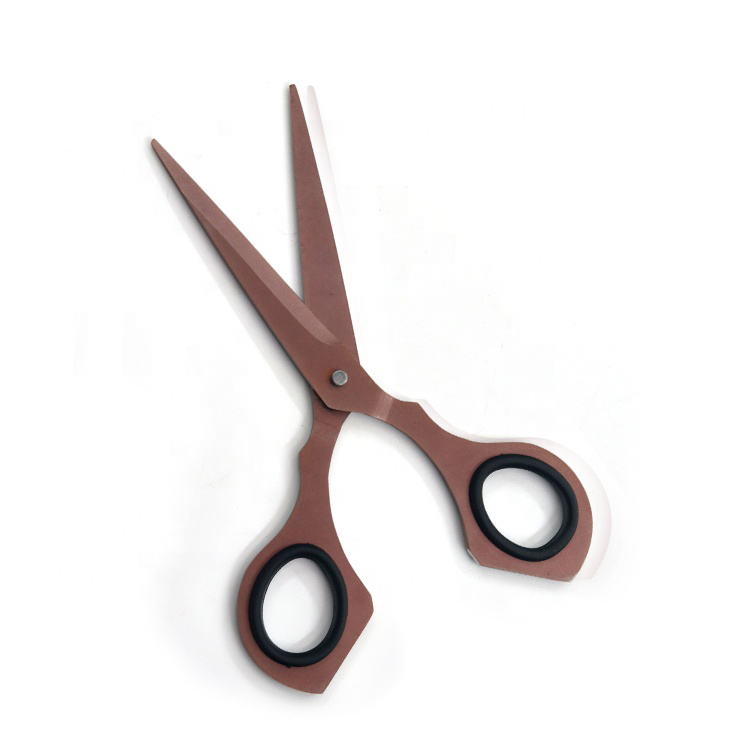
The original product description highlights several useful points: a modern finish such as matte rose gold coating, blades intended for precise cutting, ergonomically shaped handles, and a high-tension pivot screw for blade alignment. Those are relevant details, but buyers should still evaluate samples carefully before placing a bulk order. A stylish finish can attract attention, yet long-term value depends on cutting consistency, comfort, packaging, safety, and supplier reliability.
What Makes Stationery Scissors “Trendy”?
In stationery and craft categories, “trendy” usually refers to appearance, color, finish, and how well the tool fits current desk, school, or creative workspace preferences. A matte rose gold coating, for example, can appeal to buyers looking for a softer, more modern alternative to plain metal or basic plastic styles.
However, trend-driven design should not replace practical assessment. A pair of scissors still needs to cut paper accurately, open and close smoothly, and feel stable in the hand. For retailers and wholesalers, the best-performing styles are often those that balance visual appeal with dependable everyday use.
Core Features to Check Before Buying
When reviewing trendy stationery scissors, start with the features that affect real use. Decorative finishes and colors matter for merchandising, but the user experience is shaped by the blades, pivot, handle shape, and finish quality.
- Blade performance: Test clean cutting on common materials such as copy paper, cardstock, labels, and lightweight craft paper.
- Handle comfort: Ergonomically shaped handles can reduce hand fatigue during repeated cutting, especially in schools, studios, and offices.
- Grip control: If anti-slip grip areas are offered, check whether they improve control without feeling bulky.
- Pivot stability: A high-tension pivot screw can help maintain blade alignment, but samples should be checked for looseness or stiffness.
- Finish consistency: Coatings such as matte rose gold should be even, smooth, and resistant to obvious flaking during normal handling.
Comparison Checklist for Product Selection
The following table can help buyers compare samples from different suppliers or compare several designs within one product range.
| Selection Point | What to Check | Why It Matters |
|---|---|---|
| Cutting accuracy | Test straight and curved cuts on paper and craft materials | Confirms whether the scissors are useful beyond their appearance |
| Handle design | Review finger space, comfort, and grip surface | Improves usability for longer craft or office sessions |
| Pivot screw | Open and close repeatedly to check tension | Helps identify blade misalignment or poor movement |
| Surface finish | Inspect coating color, edges, and visible defects | Supports retail presentation and perceived quality |
| Packaging | Ask for packaging options and barcode or label requirements | Important for wholesale, retail, school, and office supply channels |
| Supplier support | Ask about samples, lead time, customization, and quality checks | Reduces sourcing risk before larger orders |
Wholesale and B2B Sourcing Guidance
For schools, offices, craft stores, gift shops, and distributors, buying scissors wholesale can simplify stock planning and reduce the need for frequent small purchases. Bulk buying can also support consistent product presentation across multiple locations or sales channels. Still, wholesale buyers should avoid choosing only by appearance or low unit cost.
Before ordering, ask the supplier direct questions: What materials are used for the blades and handles? Are samples available for cutting tests? What packaging formats can be supplied? Can the finish, handle color, or branding be customized? What is the expected production lead time? What quality checks are performed before shipment? Are there any age-grade, labeling, or market-specific requirements the buyer needs to confirm independently?
If you are sourcing for resale, request clear product photos, packaging dimensions, carton details, and care instructions. If the product will be used in schools or children’s activity settings, confirm suitability with the supplier and review local safety expectations for your market. Do not assume compliance claims unless the supplier provides documentation that matches your destination market and order requirements.
Best Uses for Trendy Stationery Scissors
Trendy stationery scissors are most suitable for everyday paper-based tasks and creative projects. They may be used for journaling, scrapbooking, school assignments, office paperwork, gift wrapping, paper decorations, and light craft layouts. Their appeal is strongest when users want a tool that looks neat on a desk while still performing reliably.
For more demanding materials, such as thick board, heavy fabric, wire, or plastic sheet, buyers should confirm whether the scissors are designed for that purpose. Stationery scissors are usually selected for controlled paper cutting rather than industrial or heavy-duty use. Matching the tool to the task helps prevent poor cutting results and early wear.
Care and Use Tips for Longer Service Life
Good care helps maintain cutting performance. Users should keep scissors clean, dry, and stored safely when not in use. Adhesive from tape, labels, or stickers can collect on the blades, so it should be removed carefully after use. If scissors become difficult to open or close, the pivot area may need cleaning, inspection, or adjustment depending on the design.
- Use the scissors only on suitable stationery and craft materials.
- Wipe the blades after cutting adhesive labels or tape.
- Store them in a drawer, holder, or protective sleeve to reduce accidental damage.
- Avoid dropping them, as impact can affect blade alignment or the pivot.
- Check blade tightness and smooth movement before repeated production or classroom use.
Key Takeaways
Trendy stationery scissors can be a practical choice for craft, school, office, and retail use when design is supported by reliable function. Look beyond the finish and test cutting performance, handle comfort, pivot stability, and packaging quality. Wholesale buyers should request samples and ask clear questions about materials, customization, quality checks, lead times, and documentation before committing to larger orders.
FAQ
Are trendy stationery scissors only for crafts?
No. They are commonly used for crafts, but they can also suit offices, schools, gift wrapping, paper planning, scrapbooking, and general stationery tasks.
Is a matte rose gold finish important?
It is mainly a design and merchandising feature. It can make the scissors more attractive to certain buyers, but cutting quality, comfort, and durability should still be tested first.
What should wholesale buyers ask before placing an order?
Ask about sample availability, blade and handle materials, packaging choices, customization options, production lead time, quality inspection process, and any documents needed for your market.
Can these scissors cut thick materials?
Do not assume they can. Stationery scissors are usually best for paper and light craft materials. For thick board, fabric, or plastic, confirm suitability with the supplier and test samples.
How can retailers choose the right style?
Retailers should compare visual appeal, price position, packaging, comfort, and sample cutting results. A trendy design works best when the product also feels dependable in everyday use.
