




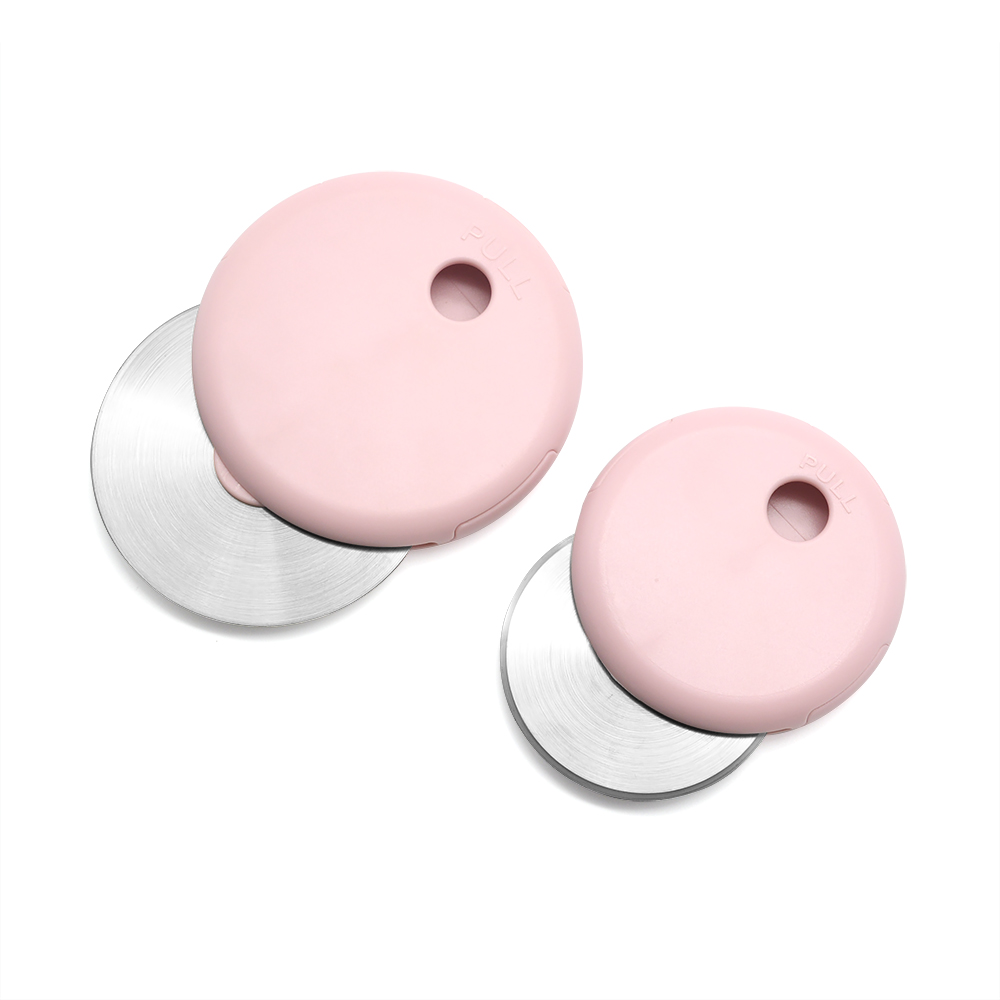
Ultimate Guide to Choosing a Pizza Cutter Manufacturer
For restaurants, retailers, promotional product companies, and kitchenware brands, a pizza cutter may look like a simple item. In sourcing, however, it deserves careful evaluation. A poorly made slicer can feel unstable, become difficult to clean, or create customer complaints after only limited use. A reliable pizza cutter manufacturer should be able to discuss product construction, repeatable quality, packaging, order handling, and customization options in clear detail.
This guide explains how business buyers can assess a pizza cutter supplier without relying on vague claims. It covers wholesale purchasing, factory evaluation, design considerations, quality checks, and practical questions to ask before committing to a purchase order.
Key Takeaways
- Choose a manufacturer based on documented process control, product consistency, and communication quality, not only unit price.
- Ask about blade material, handle material, safety covers, packaging, MOQ, lead time, and customization before sampling.
- Compare wholesale and OEM options according to your sales channel, branding needs, and reorder plan.
- Request samples and inspect cutting performance, grip comfort, wheel movement, and cleaning practicality.
Why the Right Pizza Cutter Manufacturer Matters
A pizza cutter is used in commercial kitchens, home kitchens, cafes, pizzerias, and retail gift sets. In each channel, users expect the tool to cut cleanly, feel safe in the hand, and withstand regular use. For a brand owner or wholesaler, the manufacturer affects more than the physical product. It also affects delivery reliability, packaging consistency, after-sales issue handling, and the ability to maintain the same product quality across repeat orders.
When reviewing a pizza cutter manufacturer, look for evidence that the supplier understands both function and production repeatability. The original product concept may include a stainless steel wheel, a contoured handle, and a protective blade cover, but buyers should still confirm exact materials, dimensions, finish, and packaging before ordering. Do not assume that every factory uses the same grade of metal, the same handle polymer, or the same quality control process.
Wholesale Sourcing vs. OEM Custom Production
Pizza cutter wholesale purchasing is often suitable for distributors, retailers, and foodservice suppliers that need ready-made inventory. Wholesale orders can be simpler because the design, packaging format, and production process may already be established. This can reduce development time and help buyers replenish stock more easily.
OEM or customized production is different. It may involve a brand logo, custom handle color, retail packaging, a special blade cover, a bundled kitchen tool set, or a private-label specification. OEM sourcing can support brand differentiation, but it also requires more communication. Buyers should prepare drawings, reference samples, artwork files, packaging requirements, and quality expectations early in the process.
| Sourcing Option | Best For | What to Confirm |
|---|---|---|
| Standard wholesale | Retailers, distributors, foodservice resellers | Available styles, stock status, carton details, lead time, reorder consistency |
| Private label | Brands wanting logo or packaging changes | Logo method, artwork rules, packaging proofing, sample approval process |
| OEM custom design | Brands developing a distinct product line | Tooling needs, design ownership, material options, testing plan, production timeline |
| Promotional order | Gift, event, or campaign use | Color matching, logo durability, packaging budget, delivery deadline |
How to Evaluate a Pizza Slicer Factory
A modern pizza slicer factory should be able to explain how it controls production from material selection to final packing. The original article notes common design elements such as a stainless steel wheel, durable polymer handle, ergonomic shape, and protective cover. These are useful starting points, but a professional buyer should verify the actual specification rather than relying on general descriptions.
Ask the supplier to describe how blades are formed, sharpened, assembled, and checked. Ask how handle parts are inspected for defects, how the wheel rotation is tested, and how finished goods are packed to prevent scratches or damage during shipment. If the supplier claims to use a specific material or comply with a certain standard, request documentation and confirm whether it applies to the exact item you are buying.
Communication is also part of factory evaluation. A capable supplier should answer technical and commercial questions directly. If responses are vague, inconsistent, or overly focused on closing the sale, proceed carefully.
Product Design Factors Buyers Should Review
The main function of a pizza cutter is simple: the wheel should move smoothly and cut through crust without excessive pressure. Still, small design choices affect user experience. A contoured handle can improve grip and control. A protective blade cover can reduce the risk of accidental contact during storage. The balance between the wheel and handle can influence comfort, especially in foodservice environments where tools are used repeatedly.
Before approving a sample, review these points:
- Wheel sharpness and rotation: Does the wheel cut cleanly without wobbling or sticking?
- Handle comfort: Is the handle easy to hold with dry or slightly damp hands?
- Assembly strength: Does the wheel feel secure after repeated use?
- Cleaning practicality: Are there hard-to-reach gaps where food residue may remain?
- Storage safety: Is a blade cover included, and does it stay in place?
- Packaging protection: Will the item arrive without blade damage, handle scratches, or crushed retail packaging?
Quality Control Questions to Ask Before Ordering
Good sourcing depends on asking specific questions. Instead of asking whether the product is “high quality,” ask how quality is defined and checked. This is especially important when comparing several pizza cutter wholesale suppliers that may look similar in photos.
- What are the confirmed materials for the wheel, handle, and blade cover?
- Can the supplier provide a written specification sheet for the exact model?
- What inspections are performed during production and before shipment?
- How is wheel sharpness or cutting performance evaluated?
- What packaging options are available for bulk, retail, or private-label orders?
- What are the MOQ, sample cost, production lead time, and payment terms?
- How are defective units handled if problems are found after delivery?
- Can the supplier maintain the same design and materials for future reorders?
These questions help buyers compare suppliers on facts rather than assumptions. They also create a written record that can be used during sample approval and purchase order negotiation.
Pricing, MOQ, and Logistics Considerations
Buying directly from a manufacturer can reduce the number of intermediaries and create a clearer communication line for customization. However, the lowest price is not always the best value. A very low quotation may reflect thinner materials, simpler packaging, limited inspection, or less support for custom requirements. Buyers should compare price together with product specification, packaging, freight terms, and expected defect handling.
Ask whether pricing changes by order quantity, packaging type, logo method, and delivery schedule. Confirm carton quantity, carton dimensions, gross weight, and shipping marks before arranging freight. If your business sells through retail or e-commerce channels, packaging durability and barcode requirements may be just as important as the cutter itself.
Sample Approval and Final Supplier Selection
Samples are essential. Evaluate them as a customer would, but also as a sourcing professional. Cut different crust thicknesses, check the grip, wash and dry the item according to reasonable use conditions, and inspect whether the wheel remains stable. If multiple team members will use or sell the product, collect their feedback before approval.
When choosing between suppliers, consider communication speed, willingness to provide details, sample consistency, packaging quality, and transparency about limitations. A trustworthy pizza cutter manufacturer should not only show an attractive product; it should help you understand what can be produced repeatedly at the agreed quality level.
FAQ
What should I ask a pizza cutter manufacturer first?
Start with the exact product specification: wheel material, handle material, dimensions, packaging, available colors, MOQ, lead time, and sample process. Then ask how quality is inspected before shipment.
Is wholesale better than OEM for pizza cutters?
Wholesale is usually faster for standard inventory. OEM is better when you need custom branding, packaging, colors, or a distinct product design. The right choice depends on your sales channel and timeline.
Should a pizza cutter include a protective blade cover?
A protective cover can improve storage safety and is worth considering, especially for retail, home kitchen, or gift packaging. Confirm whether it is included as standard or priced separately.
How can I compare similar supplier quotations?
Compare the full specification, not only the unit price. Review materials, packaging, inspection process, logo costs, carton details, payment terms, lead time, and how the supplier handles defects.
Do I need product testing documents?
If your market, customer, or sales channel requires testing or compliance documents, ask the supplier what documentation is available for the exact product. Do not assume certificates apply unless they are clearly linked to the item you plan to buy.
