




Cloth Shear Manufacturer Sourcing Guide for Professional Buyers
Choosing a cloth shear manufacturer is not only about finding a sharp pair of scissors. For wholesalers, sewing tool distributors, tailoring supply stores, private-label brands, and procurement teams, the right decision depends on product consistency, comfort, range planning, packaging options, and the supplier’s ability to answer technical questions clearly. A cutting tool that works well in a sample may still need further checking before it becomes a reliable SKU in a catalog or retail program.
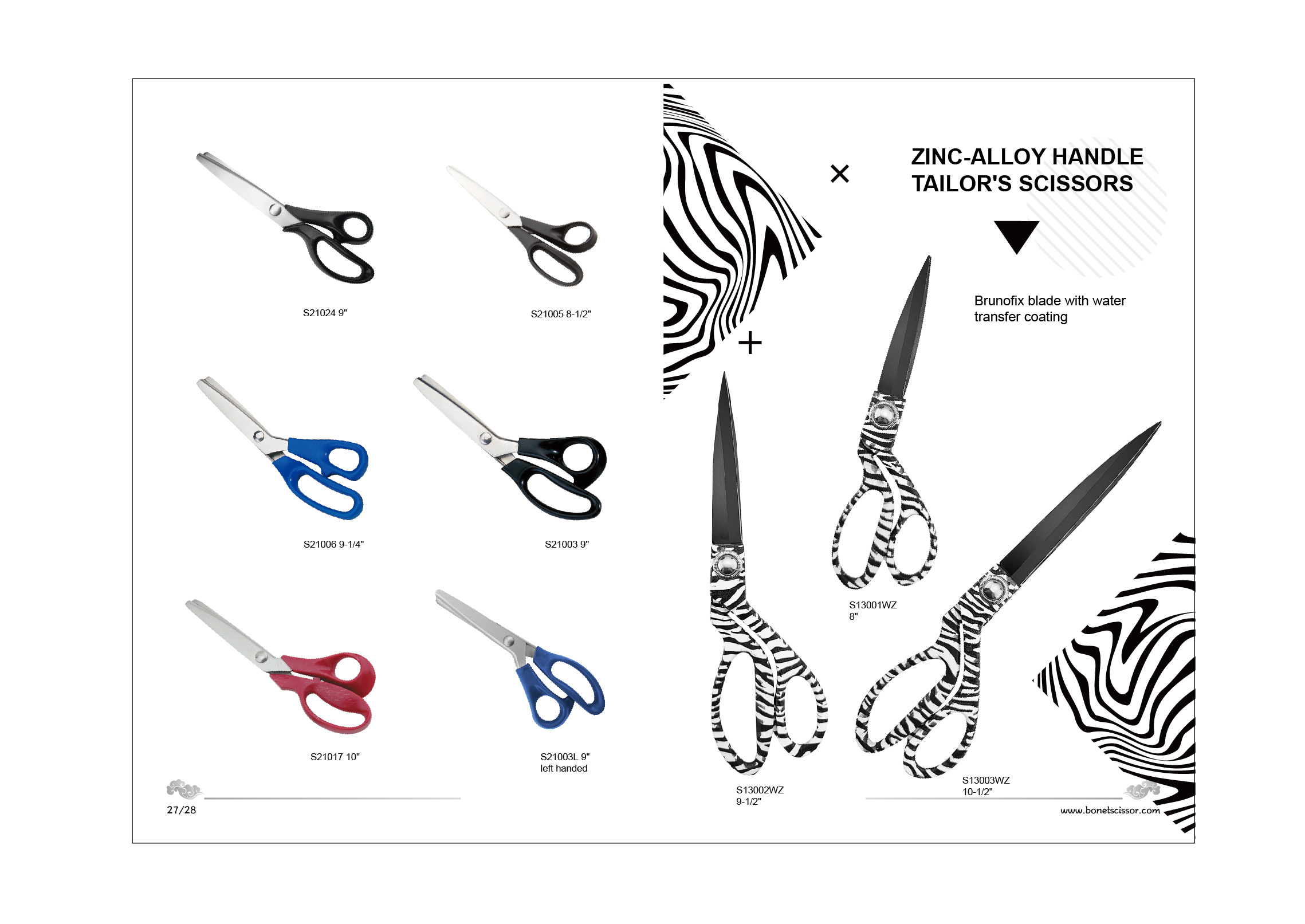
The original Bonet Houseware article introduced tailor scissors with zinc-alloy handles, several size options, a left-handed model, and decorative water transfer coating designs. This rewritten guide turns those product points into a practical sourcing checklist for buyers evaluating cloth shears for professional or consumer sewing markets.
Key Takeaways
- Assess cloth shears by cutting comfort, size range, handle design, finish durability, and supplier transparency.
- Known options in the source include zinc-alloy handle tailor scissors, 8-inch to 10-1/2-inch models, and a dedicated 9-inch left-handed model.
- For OEM or wholesale orders, ask the manufacturer about materials, packaging, inspection methods, labeling, lead time, and after-sales handling.
- Do not rely on photos alone; request samples and test them on fabrics relevant to your market.
What Buyers Should Expect from a Cloth Shear Manufacturer
A professional cloth shear manufacturer should be able to explain how each model is intended to be used. Tailor scissors for home sewing, workshop use, dressmaking, upholstery, quilting, or fabric craft may look similar online, but buyers often need different sizes, handle shapes, and finishes for different sales channels. Before comparing quotations, create a clear product brief that states target users, expected retail positioning, packaging requirements, and any private-label needs.
For B2B sourcing, avoid judging only by the lowest unit price. A supplier should help you understand whether the product line includes multiple sizes, whether left-handed users are covered, and what information is available for product descriptions. If you need compliance documentation, testing reports, material declarations, or market-specific labeling, ask directly and request written confirmation rather than assuming.
Understanding the Tailor Scissors Range
The source article identifies several tailor scissors models and sizes. The zinc-alloy handle tailor scissors collection includes the 9-inch S21024, the 8-1/2-inch S21005, the 10-inch S21010, and the 9-inch S21003L designed for left-handed users. It also mentions a Brunofix blade series with water transfer coating and zebra pattern options, including the 8-inch S13001WZ and the 10-1/2-inch S13003GWZ.
For buyers, this range suggests a useful assortment structure. Smaller or mid-size shears may suit general sewing and craft users, while longer shears are often considered by customers who want more reach or leverage. A left-handed option can help distributors serve a segment that is often overlooked. Decorative finishes may support retail display appeal, but buyers should still ask how the finish behaves during normal handling, cleaning, and packaging friction.
Comparison Checklist for Sourcing Cloth Shears
| Selection Point | Why It Matters | Questions to Ask the Supplier |
|---|---|---|
| Size range | Different users prefer different blade lengths and leverage. | Which sizes are available, and which models are best suited to tailoring, craft, or heavier fabric tasks? |
| Handle material | The source mentions zinc-alloy handles, which may affect grip feel and weight. | What handle materials are used for each model, and can samples be provided for ergonomic review? |
| Left-handed model | A dedicated left-handed SKU can improve assortment coverage. | Is the S21003L or another left-handed option available for wholesale or OEM programs? |
| Blade finish and decoration | Decorative coatings can influence retail presentation. | How is the water transfer coating applied, and what care instructions should be provided to end users? |
| Quality inspection | Cutting performance needs consistency across batches. | What inspections are performed before shipment, and what criteria are used for appearance and cutting function? |
| Packaging and labeling | Retail, e-commerce, and distributor channels may need different packaging. | What packaging formats, barcode labeling, carton marks, and private-label options can be discussed? |
How to Evaluate Samples Before Placing an Order
Sample testing is essential when sourcing fabric scissors. A sample should be reviewed by someone who understands the end user: a tailor, sewing instructor, craft buyer, or quality inspector. Test the shears on fabric types that match your customers’ typical use rather than relying on a single easy-cut material. If your market includes denim, felt, layered cotton, lining fabric, or craft textiles, include those in the sample review.
- Check whether the handle feels secure during repeated opening and closing.
- Review cutting control at the tip and along the full blade length.
- Compare the 8-inch, 8-1/2-inch, 9-inch, 10-inch, and 10-1/2-inch options where relevant.
- Ask left-handed testers to evaluate any left-handed model instead of assuming right-handed feedback applies.
- Inspect the finish, joint area, edges, packaging, and any printed information after handling.
Keep written notes and photos from sample testing. They help your team compare suppliers objectively and give the manufacturer specific feedback if adjustments or clarifications are needed.
OEM and Wholesale Questions to Clarify
If the purchase involves OEM, private label, or wholesale distribution, commercial details should be confirmed early. Do not assume minimum order quantity, lead time, packaging cost, artwork requirements, or documentation availability. These points vary by supplier, model, market, and order details. A responsible sourcing process turns assumptions into written questions.
- What models and sizes are currently available for quotation?
- Can the supplier provide product photos, dimensions, weight, packaging information, and care guidance?
- What branding options are possible on product, packaging, or inserts?
- What are the MOQ, sample policy, production lead time, and payment terms?
- What inspection process is used before shipment?
- Which documents can be provided if the destination market requires specific declarations or test reports?
- How are claims, defective units, or shipment discrepancies handled?
These questions do not replace a formal supplier audit, but they help buyers identify whether a manufacturer communicates clearly and understands export or wholesale expectations.
Matching Cloth Shears to Sales Channels
A distributor selling to tailoring workshops may prioritize practical sizes, comfortable handles, and repeatable cutting performance. A sewing craft retailer may want a balanced assortment with clear packaging and attractive shelf presentation. An e-commerce seller may need strong product descriptions, accurate images, and packaging that protects the shears during delivery. Decorative zebra-pattern water transfer coating may be useful for visual differentiation, while classic zinc-alloy handle models may suit buyers looking for a more traditional tailor scissors presentation.
When planning a product line, consider offering a good-better-best structure or grouping products by user type. For example, a general sewing option, a longer cutting option, and a left-handed option can make the assortment easier for customers to understand. The final mix should be based on your market feedback, margin targets, and supplier confirmation.
Practical FAQ
What is the main difference between tailor scissors and general household scissors?
Tailor scissors are typically selected for fabric cutting tasks, where control, edge alignment, handle comfort, and size choice matter. Buyers should still test samples because performance depends on the exact model.
Which sizes are mentioned in the Bonet Houseware source article?
The source mentions 8-inch, 8-1/2-inch, 9-inch, 10-inch, and 10-1/2-inch options across the listed models.
Is there a left-handed cloth shear option?
Yes. The source identifies the S21003L as a 9-inch model designed for left-handed users. Buyers should request a sample and confirm current availability.
Can decorative cloth shears be used for wholesale retail programs?
They may be suitable if the finish, packaging, and care instructions meet your channel needs. Ask the supplier about the water transfer coating, handling recommendations, and packaging protection.
What should I ask before ordering OEM cloth shears?
Ask about available models, customization options, MOQ, lead time, sample approval, inspection process, packaging formats, documentation, and after-sales procedures. Request written confirmation before purchase.
