




Unveiling Multi-Functional Kitchen Scissors: A Versatile Tool
Multi-functional kitchen scissors are designed to reduce the number of small tools needed for everyday food preparation. A good pair can cut herbs, trim packaging, portion soft foods and support quick kitchen tasks without reaching for a knife and board every time. For retailers, wholesalers and OEM buyers, the category also has clear sourcing appeal because one compact product can combine several functions in a familiar format.
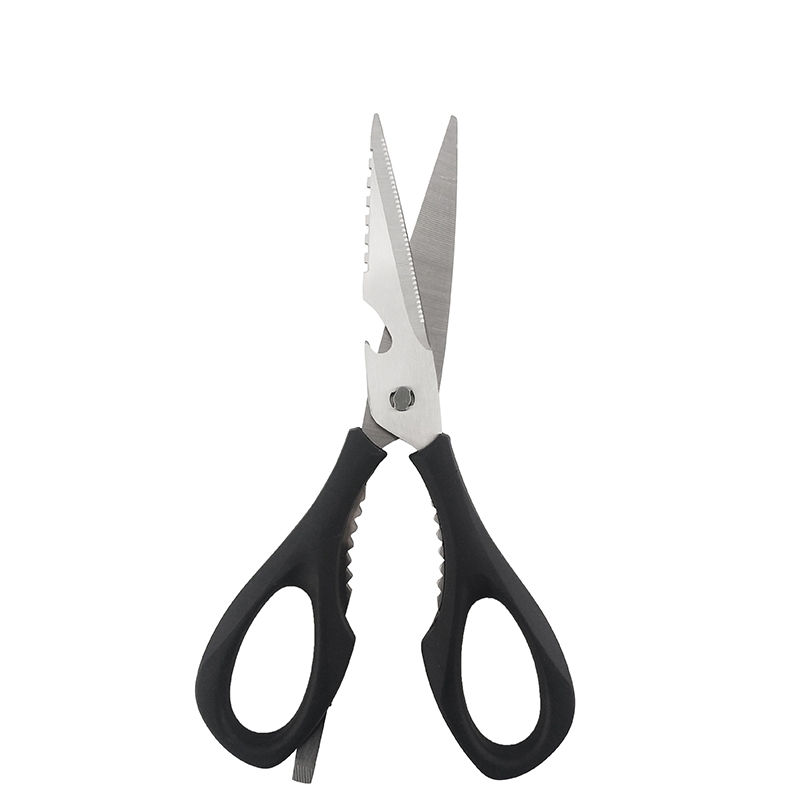
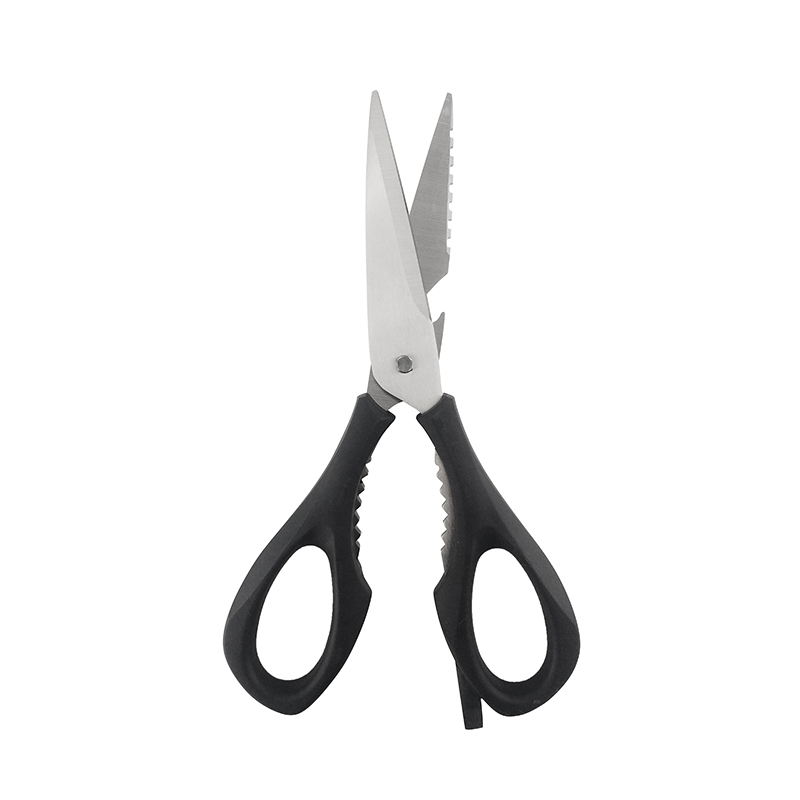
The original article highlights detachable handles, stainless steel blades, serrated edges, ergonomic black handles, a built-in bottle opener and a nutcracker. Those are useful product points, but buyers should still verify the exact construction, finish, packaging, test requirements and order terms with the supplier before placing an order. This guide explains how to evaluate these scissors for practical use and for B2B sourcing decisions.
Key Takeaways
- Multi-functional kitchen scissors are most useful when their core cutting performance is strong before any extra feature is considered.
- Detachable handles can make cleaning easier, but buyers should check how securely the two sides reconnect.
- For OEM or wholesale sourcing, confirm materials, packaging, logo options, testing needs and commercial terms directly with the supplier.
- Ergonomic handles and serrated blade sections can improve control for common prep and packaging tasks.
- A supplier evaluation should include samples, function checks and written specifications rather than assumptions from photos alone.
What Multi-Functional Kitchen Scissors Are Used For
Kitchen scissors are different from office scissors because they are expected to handle food-contact tasks, slippery ingredients and tougher packaging. Multi-functional versions add extra utility, such as a bottle opener or nutcracker, while retaining the main cutting role. In a home kitchen, that may mean trimming herbs, cutting parchment, opening sealed food bags or portioning cooked foods. In retail or promotional channels, it means offering a compact tool that is easy for shoppers to understand.
The most important buying point is still the blade. Stainless steel blades and serrated edges were noted in the source content, and these features are commonly valued because they can help with grip and cutting control. However, buyers should not assume a specific stainless steel grade, hardness or corrosion performance unless the supplier provides documentation. Ask for written product specifications and review samples under realistic use conditions.
Detachable Handles and Cleaning Convenience
Detachable-handle kitchen scissors can be separated into two parts, which helps users reach areas where food residue may collect. This is especially relevant for scissors used around herbs, poultry packaging, sauces or oily ingredients. A separable design can also make drying and storage more convenient, provided the parts fit back together smoothly.
When evaluating detachable scissors, focus on both hygiene and mechanical reliability. The joint should open intentionally but should not feel loose during normal cutting. If the scissors are intended for retail, the packaging or instruction sheet should clearly explain how to separate, clean, dry and reassemble the product. If the scissors are intended for OEM programs, ask whether the supplier can provide care instructions in the required language and layout.
Feature Comparison Checklist
The following checklist can help product managers, importers and buyers compare samples from different suppliers without relying only on appearance.
| Feature to Check | Why It Matters | Questions to Ask the Supplier |
|---|---|---|
| Blade material | Affects cutting feel, durability and corrosion resistance | What stainless steel type is used, and can it be documented? |
| Serrated edge | Helps grip some foods and packaging during cutting | Is the serration on one blade or both, and is it consistent across batches? |
| Detachable design | Supports easier cleaning and drying | How is the joint tested for repeated assembly and disassembly? |
| Handle comfort | Influences control during repeated use | Are handle samples available for grip and size evaluation? |
| Extra functions | May add value but should not reduce cutting quality | How are the bottle opener and nutcracker functions demonstrated or tested? |
| Packaging options | Important for retail, gift sets and private label projects | What packaging formats, artwork requirements and labeling options are available? |
How to Choose Scissors for Home or Retail Use
For consumer-facing selection, start with the tasks the scissors will perform most often. If the goal is daily meal preparation, comfortable handles and easy cleaning should rank above decorative details. If the scissors will be used for packaging and light food prep, a serrated section and strong pivot feel may be more important than additional tools.
Consumers should also consider storage and care. Scissors with detachable parts should be dried thoroughly before storage. If the product includes a nutcracker or opener, check that those functions are placed where they do not interfere with grip. A simple product that cuts reliably is usually more satisfying than a heavily featured product that feels awkward in the hand.
OEM and Wholesale Sourcing Guidance
For OEM kitchen scissors, the sourcing process should be structured. A product photo can show the general design, but it cannot confirm batch consistency, material grade, labeling compliance or packaging durability. Before confirming an order, buyers should request samples and ask for a complete specification sheet. This is especially important if the scissors will be sold under a private label or included in a kitchenware set.
Useful sourcing questions include:
- What blade material and handle material are used, and are alternatives available?
- Can the supplier provide logo, color, packaging or instruction customization?
- What are the available packaging formats for retail or wholesale distribution?
- What tests or inspections can be arranged before shipment?
- What are the lead time, MOQ, payment terms and sample policies?
- Which market-specific labeling or documentation should the buyer provide or request?
Do not assume certifications, test results, minimum order quantity, production capacity or delivery timing unless the supplier confirms them in writing. If the product is intended for food-contact use in a regulated market, the buyer should verify applicable requirements with the supplier and, when needed, with an independent testing or compliance partner.
Practical Care and Use Tips
To keep multi-functional kitchen scissors working well, use them within their intended range. Avoid cutting hard bones, metal wire or frozen foods unless the supplier specifically states that the product is designed for those tasks. Wash after food use, separate detachable parts if the design allows, and dry the pivot and handle areas carefully. If the scissors begin to feel loose, rough or misaligned, stop using them for food preparation until they are inspected or replaced.
For retailers, care guidance should be included in the product listing and packaging. Clear instructions reduce customer confusion and can help prevent misuse. For wholesale buyers, request final instruction text before mass production, especially when selling across multiple languages or markets.
FAQ
Are multi-functional kitchen scissors better than a standard kitchen knife?
They are not a full replacement for a knife, but they are convenient for quick cutting tasks, food packaging and small prep jobs. A knife and board are still better for precise slicing, chopping and heavy-duty preparation.
Why choose detachable kitchen scissors?
A detachable design can make cleaning easier because the two sides separate, allowing better access around the pivot. Buyers should still check that the parts reconnect securely and remain stable during cutting.
Can these scissors be customized for OEM orders?
OEM kitchen scissors may be available with customization options, but buyers should ask the supplier directly about logo placement, handle colors, packaging, instruction sheets, sample timing and commercial terms.
What should importers confirm before ordering?
Importers should confirm written specifications, sample approval, packaging details, labeling needs, inspection arrangements, compliance responsibilities, MOQ, lead time and payment terms before placing a production order.
How should kitchen scissors be cleaned?
Clean them after food contact, separate detachable parts when applicable, remove residue near the pivot and dry thoroughly before storage. Follow the supplier's care instructions if they provide specific guidance.
Final Thoughts
Multi-functional kitchen scissors are most valuable when they combine reliable cutting, comfortable handling and easy cleaning. Detachable handles, serrated edges, a bottle opener and a nutcracker can add practical value, but they should be evaluated through samples and written specifications. For OEM and wholesale buyers, the strongest approach is to treat the product as both a kitchen tool and a sourcing project: verify the details, test the sample and ask the right supplier questions before committing to a larger order.
