




Why You Should Never Put Your Kitchen Shears in the Dishwasher
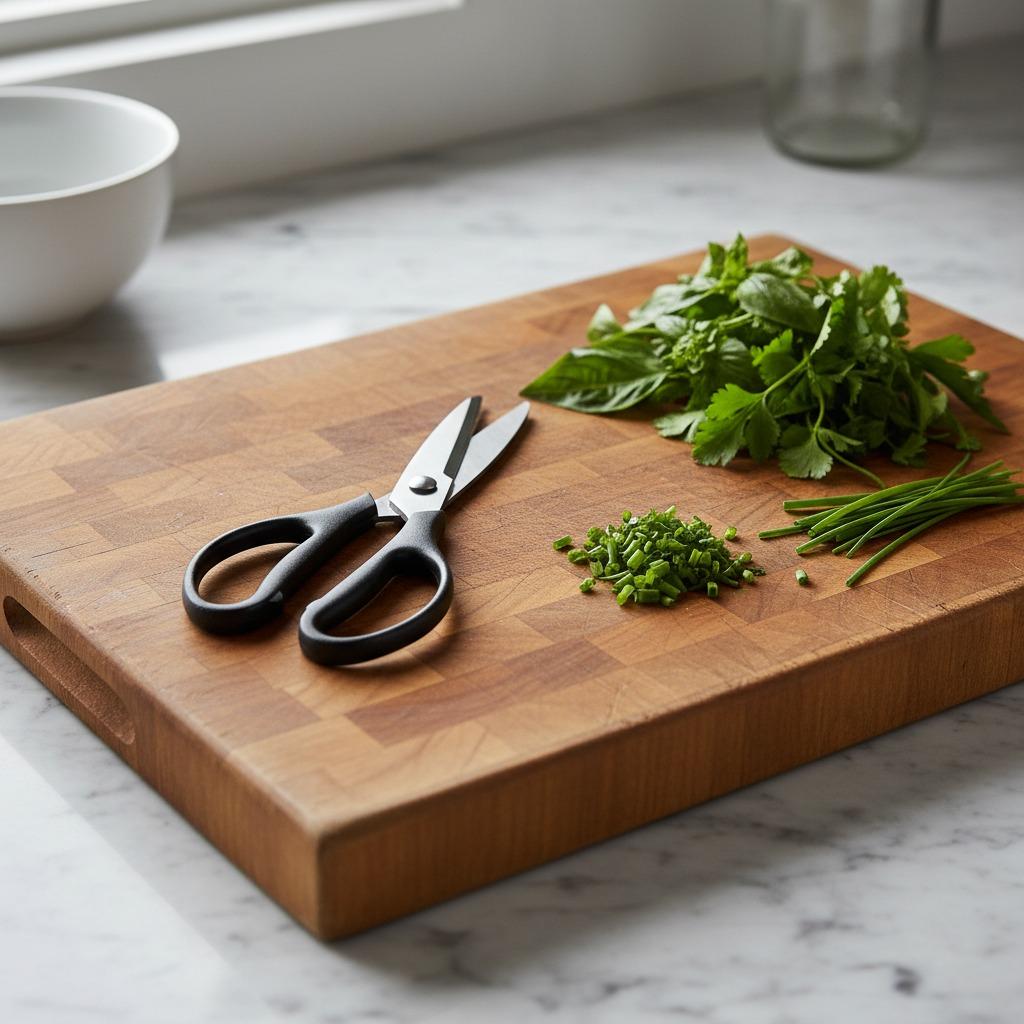
Kitchen scissors, also called kitchen shears, are used for far more than cutting paper or opening bags. In a home kitchen they can trim herbs, cut poultry into portions, snip bacon, open stubborn packaging, and handle quick prep tasks when a knife and cutting board feel too slow. Because they touch food directly, cleaning them well matters. But the most convenient cleaning option—the dishwasher—is usually the wrong choice.
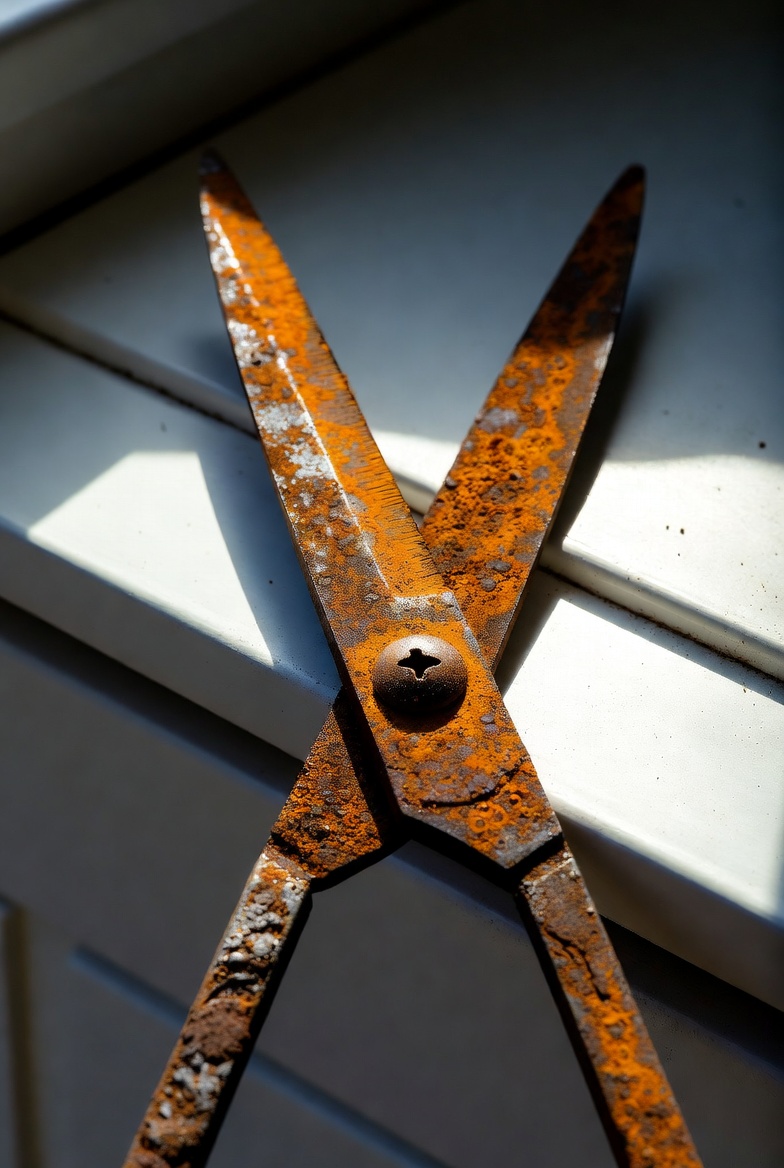
A dishwasher may look like a complete cleaning solution, yet it is harsh on precision cutting tools. High heat, strong water pressure, detergent, vibration, and trapped moisture can all affect how kitchen shears perform over time. Even if a pair seems fine after one cycle, repeated dishwasher cleaning can lead to dull edges, rust spots, loose pivots, and uncomfortable handles.
Key Takeaways
- Hand washing is usually the safest cleaning method for kitchen shears.
- Dishwasher heat and detergent can shorten blade life and affect handle materials.
- The pivot area needs extra attention because food residue and moisture can collect there.
- Drying immediately is as important as washing, especially around screws, rivets, and joints.
- If your shears pull apart, separate them before cleaning for better access.
What the Dishwasher Does to Kitchen Shears
Dishwashers are designed for plates, cups, utensils, and cookware that can tolerate repeated exposure to heat and detergent. Kitchen shears are different because they depend on two sharp blades meeting at the correct angle. A small change in edge condition or blade alignment can make them feel rough, stiff, or ineffective.
The first concern is moisture. Water can remain inside the pivot after the cycle ends, especially if the scissors are closed or placed in a crowded utensil basket. When moisture stays in a joint, rust and staining become more likely. Stainless steel can resist corrosion better than some materials, but it is not immune to poor drying conditions.
The second concern is edge wear. Dishwasher detergent is formulated to remove grease and dried food from dish surfaces. On a cutting edge, repeated exposure to detergent and fast-moving water can contribute to gradual dulling. You may not notice a single dramatic change, but over time shears that once sliced cleanly may begin to crush herbs or tear meat fibers.
The third concern is movement. During a wash cycle, tools can knock against other utensils or racks. If the blades contact hard surfaces, the edge can chip or roll. Heat and vibration may also affect screws, rivets, or plastic and rubberized handles depending on the construction of the shears.
Dishwasher vs. Hand Washing: Care Comparison
| Care Factor | Dishwasher Cleaning | Hand Washing | Better Choice |
|---|---|---|---|
| Blade sharpness | Edges may dull from detergent, impact, and repeated cycles. | Gentler contact helps preserve the cutting edge. | Hand washing |
| Pivot area | Water and residue can remain trapped after drying. | You can open, scrub, rinse, and dry the joint directly. | Hand washing |
| Rust prevention | Moisture may sit in seams, screws, and blade gaps. | Immediate towel drying reduces corrosion risk. | Hand washing |
| Handle condition | Heat may stress some plastic or soft-grip materials. | Lower heat and shorter exposure are gentler. | Hand washing |
| Convenience | Easy, but may shorten useful life. | Takes a few minutes, but gives better control. | Depends on priority |
How to Clean Kitchen Shears Correctly
Good cleaning does not need to be complicated. The goal is to remove food safely while keeping water away from the tool for as little time as possible. Use mild dish soap, warm water, and a sponge or small brush. Avoid abrasive pads on blade surfaces unless the manufacturer specifically recommends them.
- Rinse immediately after use. Do not let meat juices, herbs, salt, or acidic foods dry on the blades.
- Open the shears fully. If they are a pull-apart design, separate the two halves before washing.
- Wash both blade faces. Use warm soapy water and wipe from the spine toward the edge, keeping fingers away from the sharp side.
- Clean the pivot. Use a brush or sponge corner to remove residue around the joint, screw, or rivet.
- Rinse thoroughly. Soap left near the pivot can attract residue and make the action feel sticky.
- Dry immediately. Use a clean towel, then leave the shears open until the joint is fully dry.
- Store safely. Keep them in a drawer tray, block, sheath, or designated spot where the blades will not bang into other tools.
Extra Care Tips for Longer Service Life
Cleaning is only one part of kitchen shear care. How you use and store them also affects performance. Avoid cutting materials that exceed the tool’s intended purpose. Kitchen shears are useful for food prep and packaging, but hard bones, frozen foods, wire, or thick non-food materials may damage the blade or strain the pivot unless the product is specifically designed for those tasks.
If the action begins to feel stiff, inspect the pivot after cleaning and drying. Food residue is often the cause. For shears with an adjustable screw, check whether the blades feel too loose or too tight, but do not force adjustments if you are unsure. If the blades are dull, use a suitable sharpening method or ask a professional sharpening service. Poor sharpening can change the edge angle and make the shears cut worse.
For households that use shears on raw poultry or seafood, consider washing them immediately after the task and sanitizing according to safe food-handling guidance. If the shears disassemble, that feature can make cleaning more thorough because both blade surfaces and the pivot area are easier to reach.
What to Look for When Choosing Kitchen Shears
If you are replacing an old pair, cleaning should be part of your selection criteria. A sharp edge is important, but the easiest tool to maintain is often the one you will use most confidently. When comparing options, ask practical questions rather than relying only on appearance.
- Do the shears pull apart for cleaning?
- Is the pivot easy to rinse and dry?
- Are the handles comfortable for your hand size and grip style?
- Does the supplier provide clear care instructions?
- Are replacement, sharpening, or maintenance recommendations available?
For wholesale or B2B sourcing, buyers should ask suppliers how the product is intended to be cleaned, what materials are used for blades and handles, whether the pivot is adjustable or fixed, and what packaging can communicate care instructions to end users. If certifications, testing, MOQ, private-label options, or compliance documents are required for your market, request written documentation directly from the supplier instead of assuming they apply.
FAQ: Kitchen Shears and Dishwasher Cleaning
Can I put kitchen shears in the dishwasher if the label says dishwasher safe?
You can follow the manufacturer’s instruction, but hand washing is still gentler. Dishwasher-safe does not always mean the tool will stay sharp, dry, and aligned after many cycles.
What if I already washed my shears in the dishwasher?
Dry them completely, especially around the pivot. Check for rust spots, looseness, rough movement, or dull cutting. One wash may not ruin them, but repeated cycles raise the risk of damage.
How should I clean shears after cutting raw chicken?
Wash promptly with warm soapy water, scrub the pivot area, rinse thoroughly, and dry well. If the shears pull apart, separate them for a more complete clean.
Why do my kitchen shears feel sticky after washing?
Residue may be trapped in the joint, or soap may not have been rinsed away. Open the blades fully, clean the pivot carefully, rinse again, and dry before storage.
How often should kitchen shears be sharpened?
Sharpen when they begin tearing instead of cutting cleanly. Frequency depends on use, food types, and storage habits.
Final Advice
Kitchen shears are simple tools, but they rely on sharp edges and a clean, stable pivot. The dishwasher may save a minute today, yet hand washing is the better routine for long-term performance. Rinse, wash, dry, and store them properly, and your shears will remain safer, cleaner, and easier to use during daily meal preparation.
