




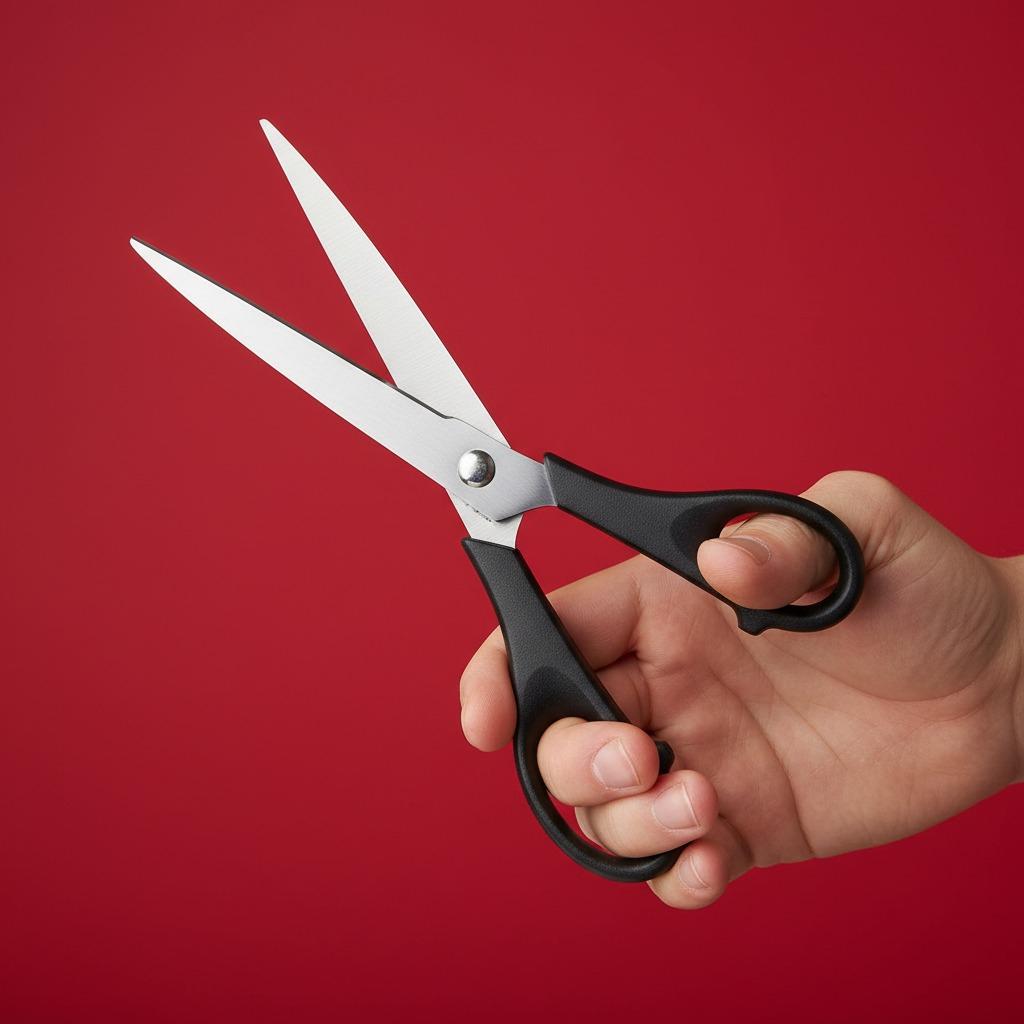
Why You Should Never Use Fabric Shears on Paper: A Technical Explanation
Fabric shears, sometimes called fabric scissors or sewing shears, are made for one primary job: cutting cloth cleanly and accurately. They are not general-purpose tools. Using them on paper, cardboard, pattern sheets, labels, or household packaging may seem harmless, but it can quickly reduce cutting performance. If you sew, quilt, tailor, or do home crafts, keeping fabric shears away from paper is one of the simplest ways to protect your tools and your material.
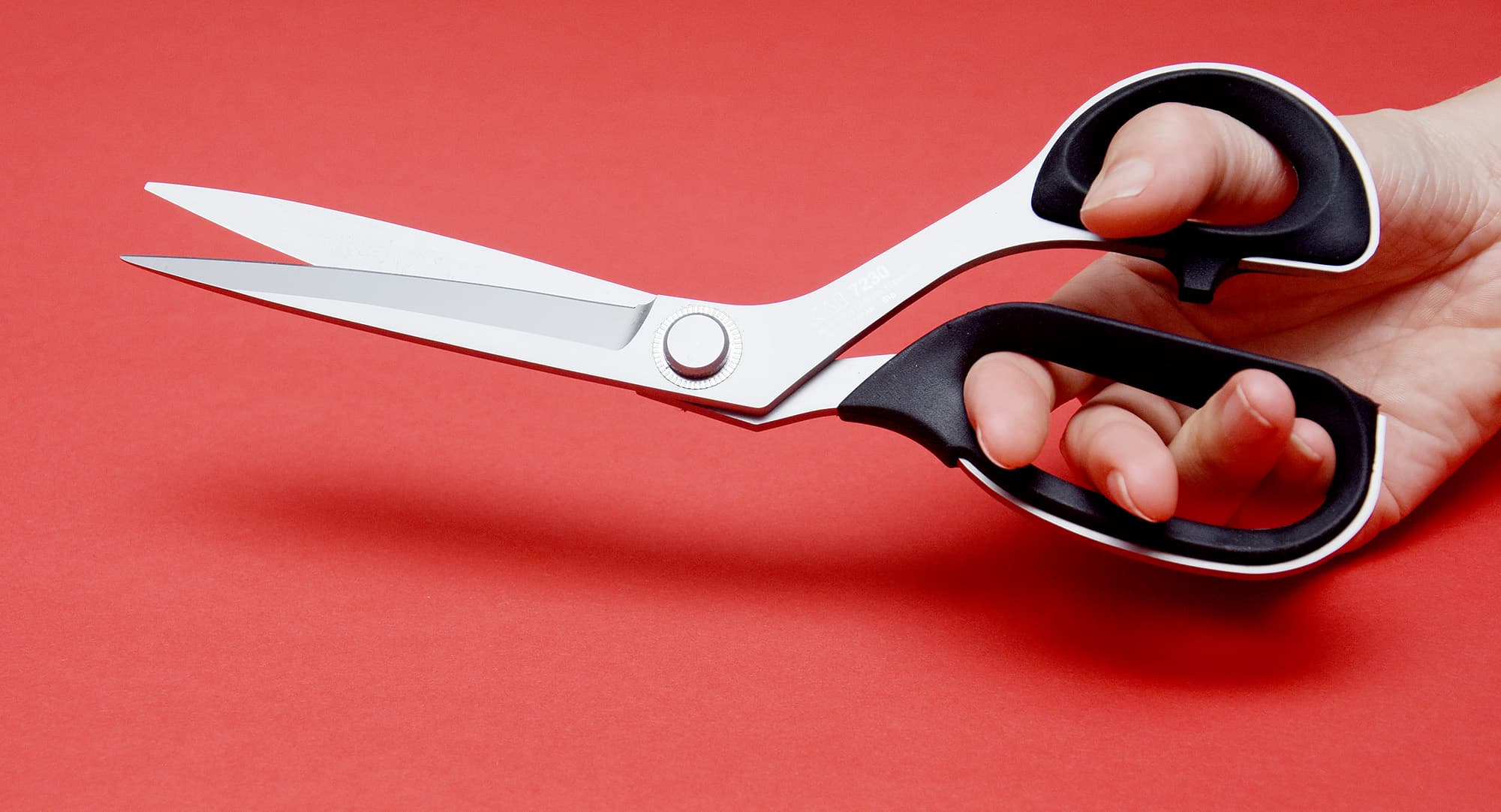
The reason is not just tradition. It comes down to blade geometry, material abrasion, pivot alignment, and the very different behavior of paper and fabric under a cutting edge. Below is a practical explanation, plus guidance on what to use instead.
Key Takeaways
- Paper contains abrasive fillers and coatings that can dull a fine fabric-shear edge.
- Fabric shears are optimized for soft fibers, long cuts, and controlled table work.
- Paper, cardstock, tape, and packaging should be cut with household scissors or craft scissors.
- Labeling and separating scissors by task helps prevent accidental misuse.
- If fabric starts snagging or folding between the blades, the shears may need cleaning, adjustment, or sharpening.
Why Fabric Shears Are Different
Fabric shears are precision cutting tools. Their long blades help make continuous cuts through cloth, while the handle shape often lets the lower blade stay close to the table. This is useful when cutting pattern pieces because the fabric is less likely to lift or shift.
The cutting edge is also designed to slice flexible fibers cleanly. Fabric does not behave like a flat sheet of printer paper. It can stretch, drape, compress, and fray. A good pair of fabric shears must grip the material just enough to cut without pushing it away. When the edge loses sharpness, fabric may snag, chew, or fold instead of separating cleanly.
Why Paper Dulls Fabric Shears
Paper feels soft in the hand, but many papers are not just cellulose. Commercial paper may include mineral fillers and surface coatings such as clay, calcium carbonate, talc, or other whitening and smoothing agents. These particles are tiny, but they are abrasive against a fine metal edge.
Every time fabric shears cut paper, the blade edge contacts these fillers. Over repeated cuts, the thin edge can become rounded, scratched, or microscopically nicked. You may not see the damage immediately, but you will feel it when cutting fabric. The shears may require more hand pressure, hesitate at certain points, or leave fuzzy edges on cloth.
Adhesive-backed paper, tape, shipping labels, and coated packaging are even worse. Adhesive residue can collect near the cutting edge and pivot, increasing drag and making the blades feel sticky.
Blade Geometry and Cutting Resistance
Different scissors are built with different blade geometry. Fabric shears typically rely on a keen edge and smooth blade contact. General household scissors are often more tolerant of mixed materials because they are intended for paper, light packaging, string, coupons, and everyday tasks.
When a delicate fabric edge is used on paper or cardstock, it faces more friction than necessary. Thick paper stacks can also create sideways pressure. That pressure can affect the pivot screw and blade alignment. Once the blades no longer meet correctly along their full length, even a sharp edge may fail to cut smoothly.
Comparison: Which Scissors Should You Use?
| Task | Best Tool | Why It Works | Avoid Using |
|---|---|---|---|
| Cutting garment fabric | Fabric shears | Long, sharp blades support clean cuts through flexible fibers | Paper scissors that may crush or snag cloth |
| Cutting printer paper or patterns | Paper scissors or craft scissors | Suitable for abrasive paper and repeated straight cuts | Dedicated fabric shears |
| Opening packaging | Household scissors | Better for mixed materials and quick utility tasks | Sewing shears or embroidery scissors |
| Cutting tape or labels | Utility scissors | Can be cleaned and replaced more easily if adhesive builds up | Fine fabric shears |
| Trimming threads | Thread snips or small sewing scissors | Offers control for close work | Large household scissors |
How to Organize Scissors at Home or in a Sewing Room
The easiest way to protect fabric shears is to make the correct tool obvious. Many households and studios use a simple separation system:
- Keep fabric shears in a sewing box, drawer, or cutting-table caddy.
- Add a visible label such as “Fabric Only.”
- Store paper scissors near the printer, desk, or pattern area.
- Use a separate utility pair for tape, shipping cartons, plastic straps, and kitchen packaging.
- Teach family members or studio users which pair is safe for general use.
If you cut printed sewing patterns, use paper scissors for the paper pattern first. After the pattern is pinned or weighted on cloth, switch to fabric shears for the fabric layer only.
Care Tips to Keep Fabric Shears Cutting Cleanly
Good care does not need to be complicated. Wipe the blades after use, especially if you cut lint-heavy fabrics. Store shears closed and dry. Avoid dropping them, because impact can damage the tips or knock the pivot out of alignment. If your model has an adjustable pivot screw, check that the blades meet firmly without feeling stiff.
Do not sharpen quality fabric shears casually with rough sharpeners meant for knives or garden tools. Scissors require matching blade angles and correct inside-blade contact. If performance drops noticeably, consider a professional scissor sharpening service and ask whether they handle sewing shears specifically.
How to Tell If Your Shears Have Been Damaged
Common warning signs include fabric slipping between the blades, uneven cutting near the tip, increased hand fatigue, clicking at the pivot, or a rough feeling when opening and closing the shears. You may also notice that lightweight fabrics, such as lining, cotton lawn, or silky materials, are harder to cut than heavier cloth.
Before assuming the shears are ruined, clean the blades carefully and inspect the pivot. If residue is present, remove it with an appropriate blade-safe cleaner and dry the tool fully. If the problem remains, the edge or alignment may need service.
Choosing Household Scissors for Paper and Everyday Tasks
A practical home setup includes at least two categories: dedicated fabric shears for sewing and separate household scissors for everything else. When selecting household scissors, consider handle comfort, blade length, ease of cleaning, and the materials you cut most often. For office and craft use, a medium-length pair is usually easier to control. For packaging, a sturdier utility pair may be more appropriate.
If you are comparing suppliers or product listings, ask clear questions instead of relying on vague claims. What materials are the scissors intended to cut? Is the pivot adjustable? How should adhesive residue be cleaned? Are replacement or care instructions available? These questions help you match the tool to the task without assuming unsupported features.
Practical FAQ
Can I cut sewing patterns with fabric shears?
It is better to cut paper patterns with paper scissors, then use fabric shears only on the fabric. Pattern paper can still dull a fine sewing edge over time.
Is one accidental paper cut enough to ruin fabric shears?
Usually, one light cut will not destroy them. The problem is repeated use on paper, cardstock, tape, or packaging. Clean the blades and return them to fabric-only use.
Why do my shears push fabric instead of cutting it?
The blades may be dull, dirty, or misaligned. Check for lint or adhesive, then test on scrap fabric. If the issue continues, sharpening or adjustment may be needed.
Can household scissors cut fabric?
They can cut some fabrics in a pinch, but they may not produce clean, accurate edges. For sewing projects, dedicated fabric shears are the better choice.
What is the best rule for scissor care?
Use each pair only for its intended material. Fabric shears for cloth, paper scissors for paper, and utility scissors for packaging will keep every tool working longer.
