




Why You Should Never Use Your Office Scissors on Fabric
Office scissors are useful, familiar tools: they cut printer paper, open envelopes, trim labels and handle many light desk jobs. Because they are always within reach, it can be tempting to grab them for a quick fabric cut. That shortcut often causes two problems at once: the fabric edge becomes uneven, and the scissors lose the clean bite that made them useful in the first place.
Fabric behaves very differently from paper. It is made from interlaced fibers, may stretch while being cut, and often shifts when layered. A tool that works well on a flat sheet of paper may drag, chew or push cloth instead of slicing through it. If you sew, craft, repair clothing or cut sample swatches, separating office scissors from fabric scissors is one of the simplest ways to improve results and extend tool life.
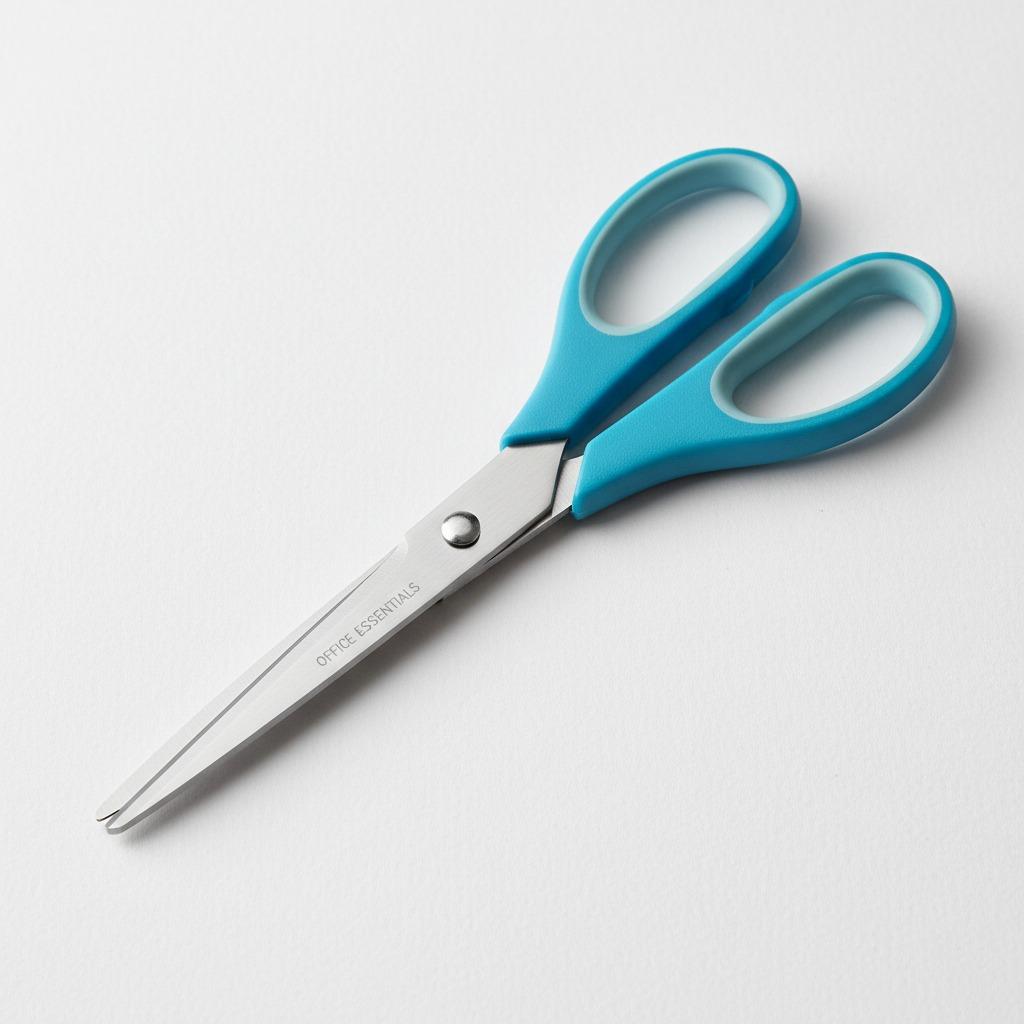
Typical office scissors are suitable for paper and desk tasks, but they are not intended as fabric shears.
Key Takeaways
- Use office scissors for paper, tape, envelopes, labels and light packaging tasks.
- Do not use the same pair on fabric if you want clean textile edges and sharp paper-cutting performance.
- Fabric scissors or shears are designed to control cloth more effectively and reduce fraying.
- Label dedicated scissors clearly so household or office users do not mix them up.
- If sourcing scissors for teams, ask suppliers clear questions about intended use, blade design, handle comfort and maintenance guidance.
Why Office Scissors Struggle With Fabric
Paper is thin, stable and relatively predictable. When you cut a sheet, it does not stretch much, and the cutting line stays where you place it. Fabric is less cooperative. Cotton, polyester blends, knits, denim and upholstery textiles can shift, compress, stretch or fray during cutting. Even a small amount of blade drag can distort the line.
Office scissors are commonly shaped for short, precise cuts through paper products. Their blade geometry and handle position are intended for desk use, not long strokes across cloth laid flat on a table. When used on fabric, the blades may pinch fibers rather than cut them cleanly. The result is a ragged edge, especially at the start or end of the cut.
What Happens to the Blade Edge
A sharp scissor edge depends on clean contact between the two blades. When office scissors are used on inappropriate materials, the edge can become slightly rounded, nicked or misaligned. Fabric fibers may not look abrasive, but repeated cuts through cloth can reduce the crispness needed for paper work. The next time you try to cut a document, the scissors may bend the paper, leave small uncut sections or require extra pressure.
Adhesive tape, cardboard, wire, plastic straps and fabric are all examples of materials that can shorten the useful life of general desk scissors when used repeatedly. If the scissors are inexpensive, replacement may seem easier than maintenance. However, in offices, schools, studios and packing areas, poor tool discipline leads to more waste and less consistent work.
Fabric Quality: Fraying, Pulling and Inaccurate Lines
The bigger issue for sewing and crafting is not only the scissors; it is the fabric itself. A dull or unsuitable blade can pull threads before cutting them. On woven fabrics, that pulling may create frayed edges. On knits, it may stretch the cut line out of shape. On layered fabric, the top layer may move while the bottom layer stays in place, causing inaccurate pieces.
For garment work, quilting, embroidery preparation, upholstery samples or textile packaging, cut accuracy matters. A slightly uneven edge can affect seam allowance, pattern matching and the final appearance of the project. Dedicated fabric scissors help reduce these problems because they are chosen and reserved for textile use.
Office Scissors vs. Fabric Scissors: Practical Comparison
| Selection Point | Office Scissors | Fabric Scissors or Shears |
|---|---|---|
| Best use | Paper, envelopes, notes, labels and light desk tasks | Cloth, sewing patterns, textile samples and craft fabric |
| Cutting action | Short controlled cuts on flat materials | Longer, smoother cuts across flexible materials |
| Effect on fabric | May pull fibers, create jagged edges or increase fraying | Helps produce cleaner edges when kept sharp and used correctly |
| Effect on tool life | Can dull faster when used on textiles or tough materials | Lasts longer when reserved for fabric and maintained properly |
| Storage advice | Keep in desk drawers, stationery kits or office supply areas | Store with sewing tools and label as fabric only |
How to Choose the Right Scissors for the Task
For everyday office use, choose scissors that feel stable in the hand, open and close smoothly, and are comfortable for the expected users. Consider whether the task is mainly paper cutting, package opening, label trimming or craft work. A general-purpose pair is fine for light office jobs, but it should not be expected to handle every material.
For fabric, look for dedicated fabric scissors or shears designed for textile cutting. The original article notes that fabric shears often have longer blades, a different pivot angle and sometimes micro-serrations to help grip cloth. Features vary by model, so check the supplier’s product description and ask what materials the scissors are intended to cut. Do not assume that a larger pair is automatically suitable for heavy textiles.
Care Rules That Keep Scissors Working Longer
- Separate by use: Keep one pair for paper and one pair for fabric. If needed, use colored labels or tags.
- Avoid sticky residue: Cutting tape can leave adhesive on the blades. Wipe blades carefully after use.
- Store closed: Closed blades are safer and less likely to be damaged in a drawer.
- Do not cut hard materials: Avoid wire, staples or thick plastic unless the tool is designed for that purpose.
- Check the pivot: If the blades feel loose or scrape unevenly, stop using them for precision work.
- Clean and dry: Remove lint, dust and moisture before storage.
Sourcing Guidance for Offices, Schools and Craft Teams
If you are buying scissors for a workplace, school, studio or wholesale kit, define the use case before comparing products. A stationery supply order may need dependable office scissors for paper tasks, while a textile program needs dedicated fabric shears. Mixing the two often creates user complaints even when the scissors themselves are not defective.
Before placing a bulk or OEM inquiry, ask the supplier practical questions: What materials is this model intended to cut? Is it recommended for paper only, fabric only or general craft use? What blade length and handle options are available? Can the supplier provide care instructions, packaging options or labeling that helps users identify the correct pair? Are replacement or sharpening recommendations available? These questions are more useful than relying on appearance alone.
FAQ
Can I cut fabric once with office scissors?
You can, but it is not recommended if you care about either the fabric edge or the future sharpness of the scissors. Even one cut through heavier or layered fabric can reduce performance.
Are fabric scissors only for professional sewing?
No. Anyone who cuts cloth for repairs, crafts, quilting, samples or school projects can benefit from a dedicated pair. The main rule is to reserve them for fabric.
Why do people label fabric scissors?
Labeling prevents other users from cutting paper, tape or packaging with them. This keeps the blade edge cleaner and helps maintain smooth textile cuts.
What should I do if my office scissors are already dull?
Clean off any residue first. If they still fold or snag paper, replace them or ask whether sharpening is practical for that model. Keep the new pair away from fabric.
Should businesses buy one scissor type for every department?
Usually no. Match the tool to the job. Office desks, packing stations, classrooms and textile work areas often need different scissor types and clear usage rules.
Final Advice
Office scissors are valuable because they make everyday paper tasks quick and tidy. Fabric scissors are valuable because they protect the accuracy of textile work. Treat them as separate tools, store them in the right place, and train users not to swap them. That small habit prevents dull blades, wasted fabric and frustrating cuts.
