




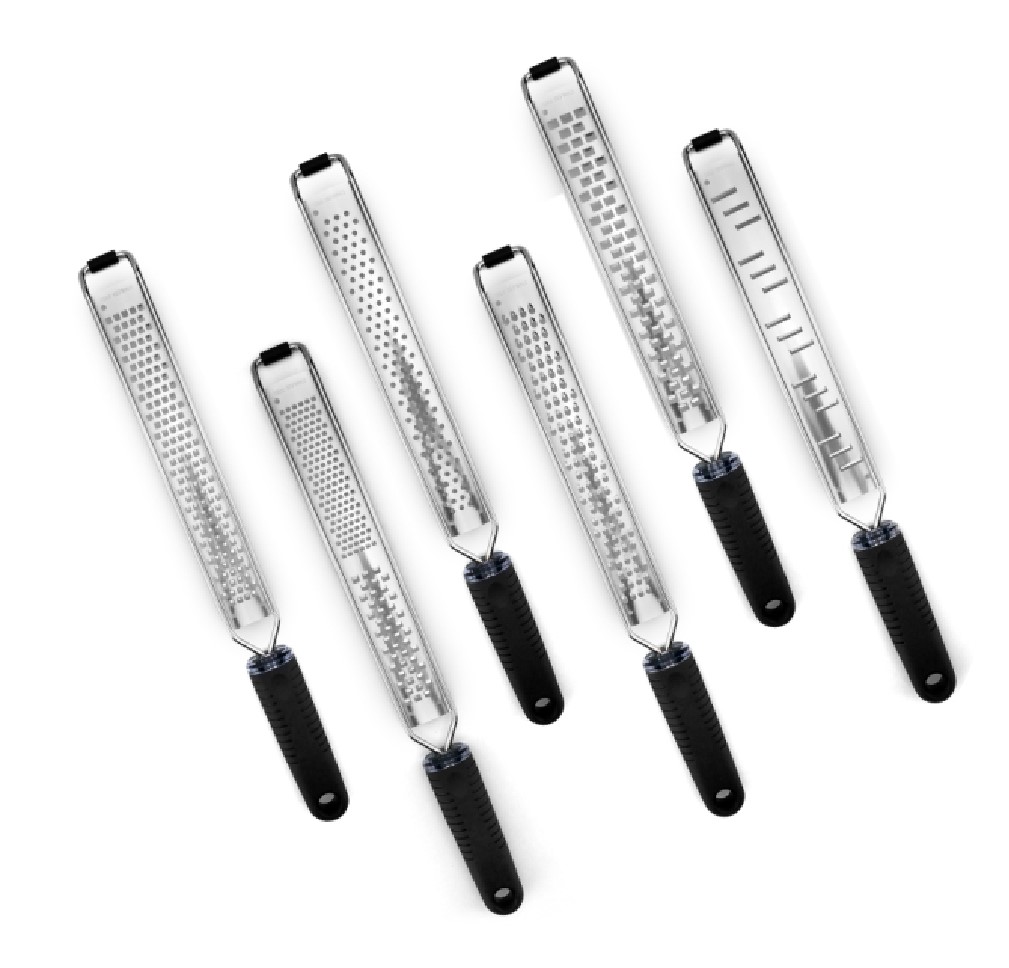
Your Guide to Stainless Steel Grater Factory Sourcing
Finding a reliable stainless steel grater factory matters for brands, importers, wholesalers, and kitchenware distributors that need consistent products and dependable communication. A grater may look simple, but small differences in metal quality, cutting surface, handle design, stability, packaging, and inspection can affect customer satisfaction and repeat orders.
This guide explains how to assess a factory or kitchen gadgets supplier without relying on vague claims. It focuses on practical sourcing questions, product checks, and supplier evaluation steps that help buyers compare options more confidently.
Key Takeaways
- Assess both the grater and the supplier: product finish, sharpness, stability, communication, and quality control all matter.
- Ask factories to confirm material details, surface treatment, packaging, inspection methods, and OEM customization limits in writing.
- Do not rely only on photos; request samples and test common ingredients before confirming a bulk order.
- For wholesale or private label projects, clarify artwork, carton marks, lead time, sampling cost, and after-sales handling early.
What Defines a Quality Stainless Steel Grater?
A good stainless steel grater should feel sturdy, safe, and efficient in everyday use. The original article highlights several useful quality markers: corrosion-resistant stainless steel, ergonomic handling, balanced construction, sturdy box grater design, and precision-etched surfaces that help create uniform cuts. These are sensible points to verify during sample evaluation.
Buyers should avoid assuming a specific stainless steel grade unless the supplier confirms it. Instead, request the exact material specification, thickness, surface finish, and any available test documentation. If the product includes rubber-incased or non-slip areas, ask what material is used and whether it is suitable for the target market's requirements.
How to Evaluate a Stainless Steel Grater Factory
Factory evaluation should go beyond the quoted unit price. A dependable supplier should be able to explain how the product is made, how sharp edges are controlled, how finished goods are inspected, and how defects are handled. For B2B buyers, clear documentation is often as important as a polished sample.
Ask whether the supplier manufactures the grater in-house or coordinates production through partner workshops. Both models can work, but the buyer needs to understand who controls tooling, assembly, inspection, and corrective action. If OEM or private label service is required, confirm what can be customized, such as handle color, logo placement, packaging, instruction sheets, or carton labeling.
Product Features Buyers Should Compare
Not every grater is designed for the same market. A box grater for retail shelves may need a different balance of price, packaging, and visual appeal than a tool intended for restaurant supply channels. Before asking for a quotation, define the use case and target customer.
| Checklist Item | What to Review | Questions to Ask the Supplier |
|---|---|---|
| Material | Stainless steel body, corrosion resistance, thickness | What steel specification is used, and can it be documented? |
| Cutting Surface | Sharpness, hole pattern, consistency of cuts | Is the surface stamped, etched, or processed another way? |
| Handle and Grip | Comfort, secure hold, non-slip or rubber-incased areas if offered | What grip material is used, and can colors be customized? |
| Stability | Balance, base contact, wobble during use | How is stability checked during inspection? |
| Packaging | Retail box, hanging card, protective cover, carton strength | Can packaging be adapted for wholesale or private label orders? |
| Inspection | Appearance, burrs, sharp edges, cleanliness, carton marks | What quality control steps are performed before shipment? |
Sample Testing Before a Wholesale Order
Samples are essential because grater performance is difficult to judge from product images. Test the tool with common foods such as cheese, citrus peel, carrots, ginger, or chocolate, depending on the intended market. Check whether the cuts are even, whether the tool clogs quickly, and whether cleaning is practical.
Also inspect safety and finishing details. Look for burrs, rough seams, unstable feet, weak handles, or areas that may trap food. If the grater has multiple surfaces, test each one. For a box grater, confirm that the body feels balanced and does not twist under normal pressure.
- Request pre-production samples or current production samples.
- Test performance with realistic ingredients and cleaning methods.
- Record defects with photos and clear descriptions.
- Ask the supplier how changes will be controlled before mass production.
- Keep an approved reference sample for later shipment inspection.
OEM, Packaging, and Brand Requirements
Many buyers sourcing from a stainless steel grater factory need more than a standard product. Private label programs may require brand artwork, barcode placement, multilingual packaging, color matching, or assortment planning. These details should be discussed before the final quotation because they may affect tooling, sampling, production time, and carton configuration.
Do not assume that every factory can support every customization. Ask what logo methods are available, what file formats are needed, whether packaging design support is offered, and how samples are approved. If you sell into markets with specific labeling or safety requirements, ask the supplier what information they can provide, then verify compliance with your own specialist or importer of record.
Supplier Communication and Risk Control
A strong kitchen gadgets supplier communicates clearly before problems occur. Response speed is useful, but accuracy matters more. A good sourcing process includes written specifications, sample approval records, confirmed packaging details, agreed inspection standards, and a realistic production schedule.
Before placing a larger order, ask practical commercial questions: What is the minimum order quantity? What is the sample policy? What is the expected lead time after deposit and artwork approval? Which payment terms are available? How are defective goods handled? Which party arranges third-party inspection if needed? These questions help prevent misunderstandings and make supplier comparison easier.
Practical FAQ
What should I ask a stainless steel grater factory first?
Start with the product specification, available models, material details, customization options, sample policy, minimum order quantity, lead time, packaging choices, and quality control process. Ask for written confirmation rather than relying only on chat messages or catalog descriptions.
How can I judge grater sharpness and consistency?
Test samples with the ingredients your customers are most likely to use. Compare cutting speed, texture, clogging, ease of cleaning, and whether the grater remains stable during use. Keep notes so different suppliers can be compared fairly.
Is a lower quotation always better for wholesale sourcing?
No. A low price may be useful, but it should be reviewed alongside material, finish, packaging, defect rate expectations, inspection method, delivery reliability, and communication quality. The cheapest option can become expensive if returns or delays increase.
Can I request custom packaging or a private label grater?
Often yes, but capabilities vary by supplier. Ask what logo positions, packaging formats, colors, and carton marks are available. Confirm artwork requirements, sample approval steps, and any added cost or lead time before placing an order.
Conclusion: Build a Clear Sourcing Brief
The best way to source stainless steel kitchen tools is to prepare a clear brief before comparing factories. Define the target customer, grater style, material expectations, handle and grip preferences, packaging format, inspection criteria, and compliance responsibilities. A reliable stainless steel grater factory should be able to answer detailed questions and help convert those requirements into a consistent product for your sales channel.
