




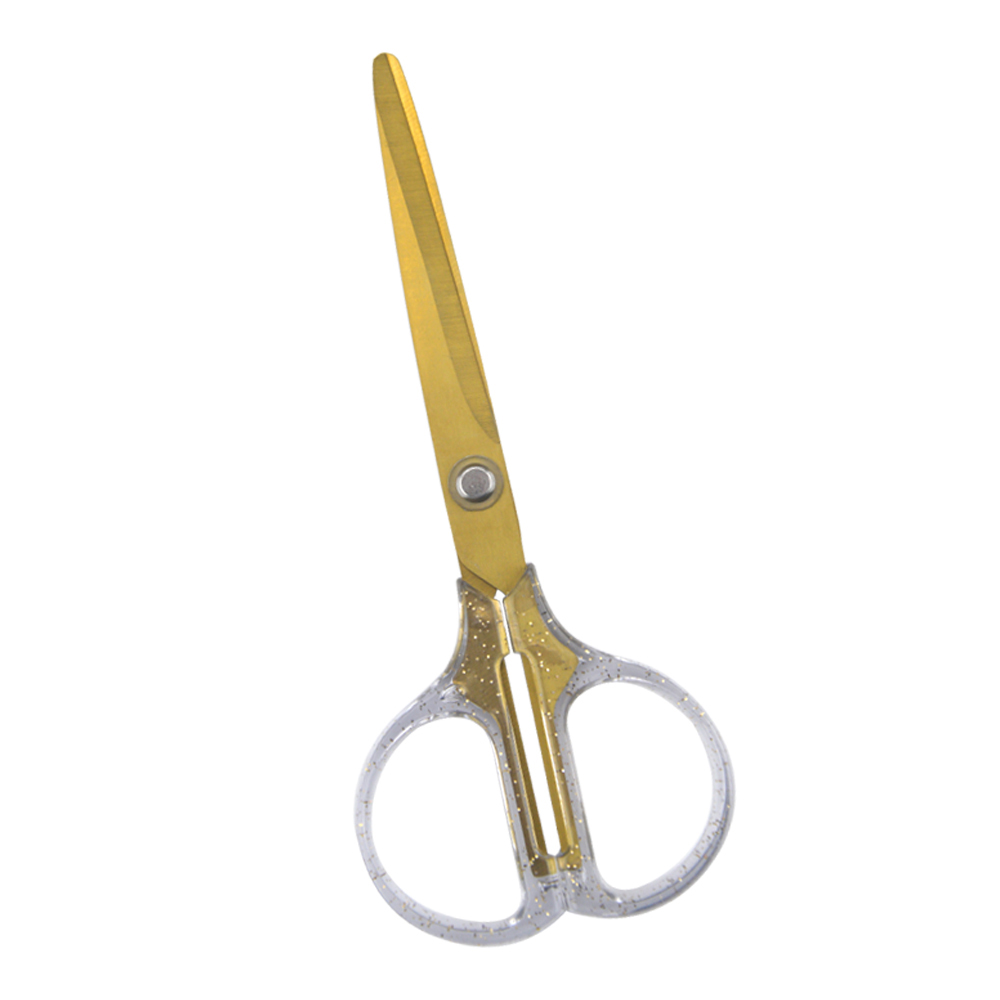
Stationery Scissors Supplier Guide for Wholesale Buyers
Choosing a stationery scissors supplier is not only about finding an attractive design. For schools, office distributors, craft retailers, promotional buyers, and general merchandise wholesalers, the right decision depends on practical details: blade size, handle comfort, packaging, consistency, ordering process, and how clearly the supplier answers commercial questions. The original New Pattern Cover Stationery Scissors Series highlights 6-1/4 inch and 7 inch sizes, patterned covers, soft blue and pastel color options, and handles described as ergonomic. Those details make the product relevant for everyday paper cutting, classroom use, office tasks, and light creative projects.
This guide rewrites the topic from a sourcing perspective. It explains what to check before buying stationery scissors in bulk, how to compare wholesale offers, and which questions to ask before placing an order. It avoids assumptions about certifications, production capacity, pricing, or minimum order quantity because those details should be confirmed directly with the supplier.
Key Takeaways
- Confirm the available blade sizes, including the stated 6-1/4 inch and 7 inch options, before planning assortment.
- Review patterned covers and pastel color choices for the needs of classrooms, offices, craft shops, or retail displays.
- Ask the supplier for current MOQ, lead time, packaging options, and sample availability instead of assuming terms.
- Check comfort, cutting feel, and finish consistency with samples before placing a wholesale stationery scissors order.
- Use a written comparison table to evaluate suppliers on product clarity, communication, and after-sales support.
Understanding the New Pattern Cover Stationery Scissors Series
The New Pattern Cover Stationery Scissors Series is positioned as a practical stationery cutting tool with a decorative cover. The original article explicitly mentions blade sizes of 6-1/4 inches and 7 inches, which are common choices for daily office and school cutting tasks. The smaller size can be easier to store in pencil cases, desk drawers, or classroom supply boxes, while the 7 inch option may suit users who prefer a longer cutting path for paper, envelopes, labels, or craft sheets.
The product line also emphasizes a fashionable color direction, including soft blues and soothing pastels. For wholesale buyers, color and pattern are not just visual details. They influence shelf appeal, category planning, and the way products fit into back-to-school, office, craft, or giftable stationery ranges. Patterned covers can also help protect the blades during storage and transport, although buyers should still inspect cover fit, edge coverage, and packaging security through samples.
Who Should Buy Stationery Scissors Wholesale?
Wholesale stationery scissors are useful for buyers who need consistent supply across multiple locations or customer groups. Typical sourcing scenarios include schools preparing classroom kits, office supply distributors building catalog assortments, e-commerce sellers testing a stationery range, craft stores stocking affordable cutting tools, and promotional buyers looking for practical everyday items.
Bulk purchasing can simplify procurement, but it should not be treated as a shortcut. A low unit cost is only valuable if the scissors are consistent, safe to handle, packed correctly, and suitable for the intended user. For example, a school buyer may care about comfort, cover security, and age-appropriate use. A retailer may focus on display packaging, barcode requirements, case packing, and color mix. A corporate buyer may ask whether neutral colors or custom packaging are available. These points should be confirmed before ordering.
Product Selection Checklist for Buyers
Before choosing a stationery scissors supplier, create a checklist that separates confirmed facts from questions. The table below can help buyers compare the New Pattern Cover Stationery Scissors Series with other options in a structured way.
| Selection Point | What to Check | Question to Ask the Supplier |
|---|---|---|
| Size options | 6-1/4 inch and 7 inch sizes are mentioned in the source article. | Are both sizes currently available, and can they be ordered separately or mixed? |
| Cover design | Patterned covers and decorative styles are part of the product concept. | What patterns and colors are available for the current production or stock? |
| Handle comfort | The original article describes ergonomically designed handles. | Can samples be tested for grip comfort during repeated office or classroom use? |
| Packaging | Packaging details are not provided in the original article. | What retail, bulk, or customized packaging options can be quoted? |
| Wholesale terms | Wholesale buying is mentioned, but commercial terms are not specified. | What are the MOQ, lead time, payment terms, and shipping options? |
| Quality review | No testing results are stated in the source. | What quality inspection steps are used before shipment, and can buyers define checks? |
How to Evaluate a Stationery Scissors Supplier
A reliable supplier should make product information easy to verify. Start with the basics: item name, size, available colors, cover designs, packaging style, carton details, and ordering process. If any details are missing, ask for a written quotation and product sheet. This reduces confusion when comparing suppliers or presenting options to internal purchasing teams.
Communication is also a quality signal. A supplier should respond clearly when you ask whether samples are available, whether assortment mixes can be adjusted, and whether packaging can meet retail channel requirements. If the buyer needs barcodes, warning labels, hang cards, or multilingual packaging, those should be discussed early. Do not assume any compliance marking, testing standard, or certification unless the supplier provides current documentation that matches the product and destination market.
Wholesale Ordering Questions to Ask Before Purchase
- What is the current MOQ for each size, color, or pattern?
- Can the 6-1/4 inch and 7 inch scissors be combined in one order?
- Are samples available before a bulk purchase, and are sample costs refundable?
- What packaging formats are available for retail, school supply, or bulk distribution?
- What is the estimated lead time after order confirmation?
- How are products inspected before shipment, and can buyer inspection requirements be added?
- Are there any destination-market documents or test reports available for review?
- What are the carton dimensions, gross weight, and shipping options?
These questions help buyers avoid vague assumptions. They also make it easier to compare quotations from multiple suppliers on equal terms, rather than focusing only on headline pricing.
Use and Care Guidance for End Users
Although this is a B2B sourcing topic, end-user satisfaction still matters. Stationery scissors should be used for appropriate light-duty cutting tasks such as paper, labels, envelopes, thin craft materials, and office stationery. They should not be used for wire, thick plastic, food, or materials that may damage the blades. Users should keep the cover in place when the scissors are stored, especially in pencil cases, drawers, or shared classroom bins.
To maintain cutting performance, keep the blades clean and dry after use. If adhesive from tape or labels builds up, wipe the blade carefully with a suitable cloth and follow any care instructions provided by the supplier. For classrooms and workplaces, it is useful to assign scissors by area or purpose so that paper scissors are not damaged by heavier materials.
Balancing Design, Cost, and Practical Value
Patterned scissors can support better product presentation, particularly for stationery ranges aimed at students, teachers, craft users, or home office buyers. However, design should be balanced with function. A buyer should check that the cover fits securely, the handle feels comfortable, the blades align properly, and the finish is consistent across samples.
Cost matters in wholesale purchasing, but the cheapest option is not always the best sourcing result. Returns, complaints, inconsistent packaging, or unclear specifications can create hidden costs. A more practical approach is to compare the total offer: product details, sample quality, packaging suitability, communication speed, shipment planning, and the supplier's willingness to answer technical and commercial questions in writing.
Practical FAQ
What sizes are mentioned for this stationery scissors series?
The original article mentions 6-1/4 inch and 7 inch blade size options. Buyers should confirm current availability before ordering.
Are these scissors suitable for wholesale orders?
The source article discusses wholesale stationery scissors, but it does not provide MOQ, pricing, or lead time. Buyers should request a formal quotation.
Can I assume the scissors have specific certifications?
No. The original article does not state certifications or testing results. Ask the supplier for current documents if your market requires them.
What makes patterned cover scissors useful for retail?
Patterned covers can improve visual appeal and help protect the blades during storage, but buyers should check cover fit and packaging with samples.
What should I test in a sample?
Review cutting feel, blade alignment, handle comfort, cover fit, color consistency, packaging quality, and whether the product matches the quotation.
Final Sourcing Advice
When you buy stationery scissors for wholesale, treat the product as both a functional tool and a retail item. The New Pattern Cover Stationery Scissors Series offers stated size options, decorative covers, pastel color direction, and ergonomic handle positioning, making it relevant for schools, offices, and creative users. The strongest purchasing decision comes from confirming the missing details: MOQ, packaging, lead time, sample process, inspection method, and destination-market requirements. Ask precise questions, compare written answers, and test samples before scaling up the order.
