

Blog List
Home
Blog List
A practical buyer guide to selecting an OEM kitchenware manufacturer, comparing OEM, ODM, and private label routes, building a clear RFQ, evaluating samples and quality controls, and planning custom packaging with BONET HOUSEWARE.
For buyers searching “kitchenware factory China,” this guide explains how to verify who manufactures, assembles and inspects the products they plan to source. BONET product examples show how to compare specifications, map production responsibilities and identify missing evidence before approving a bulk purchase.
Choosing a private label kitchenware manufacturer means deciding how products, branding and packaging will work as one retail range. Using BONET catalog examples, this guide helps brand owners, importers and retail buyers compare models, control order complexity and prepare a first collection for repeat orders.
Choosing an OEM kitchenware manufacturer starts with a comparable quote, not the lowest headline price. This guide helps brand owners, importers and retail buyers define product specifications, compare customization costs and approve samples before committing to a kitchen-tool range.
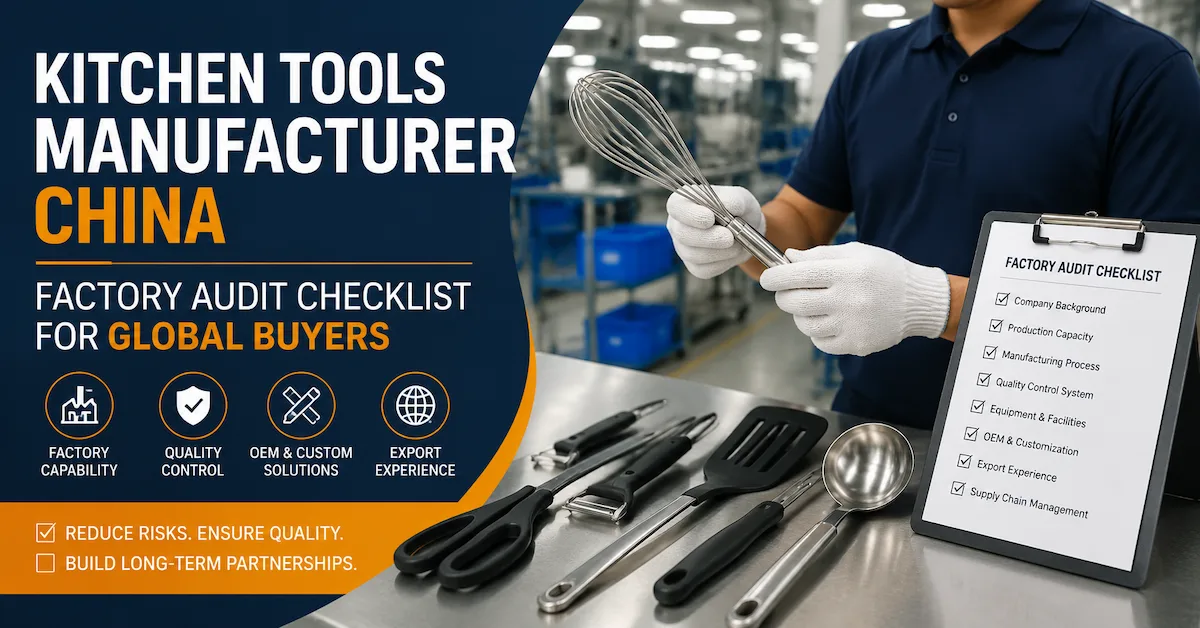
Choosing a kitchen tools manufacturer China partner requires careful factory evaluation before placing bulk orders. This guide explains how global buyers can audit manufacturing capability, quality systems, production processes, OEM experience, and supplier reliability to reduce sourcing risks.
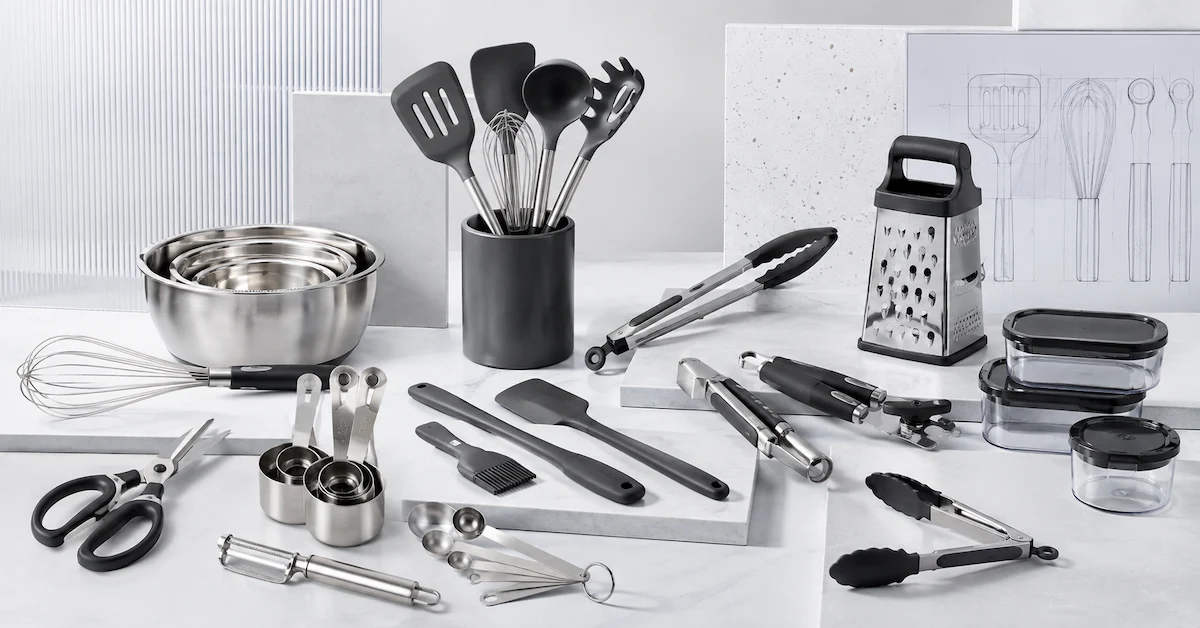
Working with a kitchen tools manufacturer China allows brands and retailers to develop customized kitchenware collections with better product control, flexible production, and competitive market positioning. This guide explains how businesses can select products, develop private-label collections, optimize costs, and build long-term manufacturing partnerships in China.