



silicone kitchen tools
Home
silicone kitchen tools
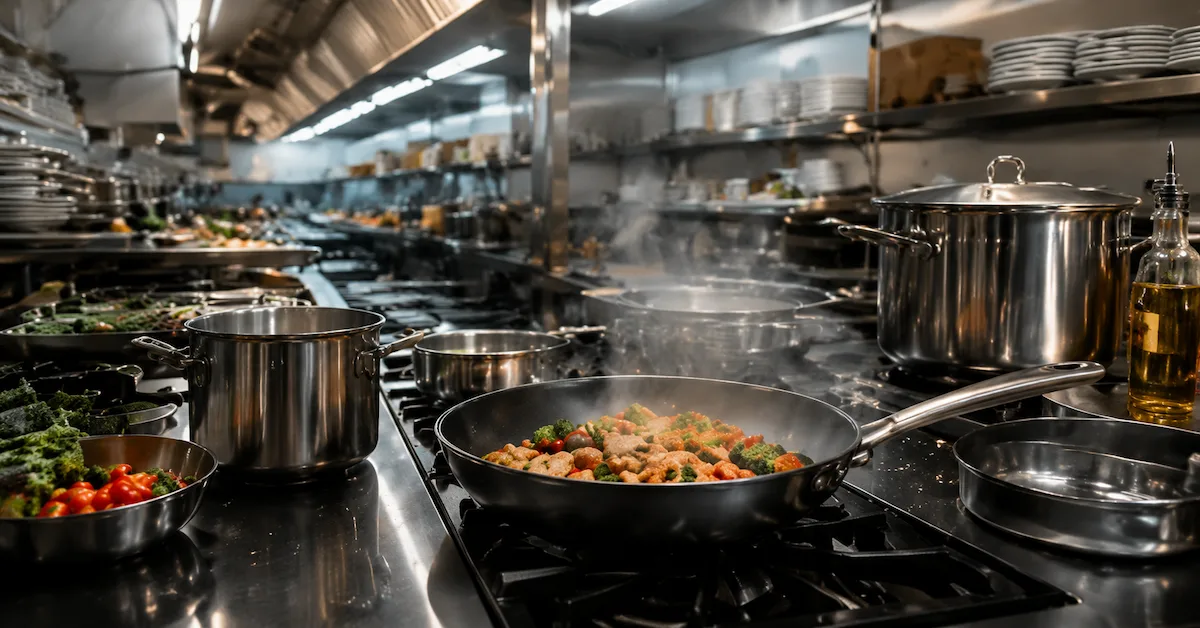
1. What chain-store buyers are really solving 2. Typical cookware and equipment used in high-volume kitchens 3. How to evaluate a supplier before you place chain orders 4. Material and construction details that matter 5. Where supermarket and restaurant supply needs overlap 6. Common buying mistakes 7. What a practical procurement checklist should include 8. FAQ for chain-store procurement teams 9. Next step for buyers
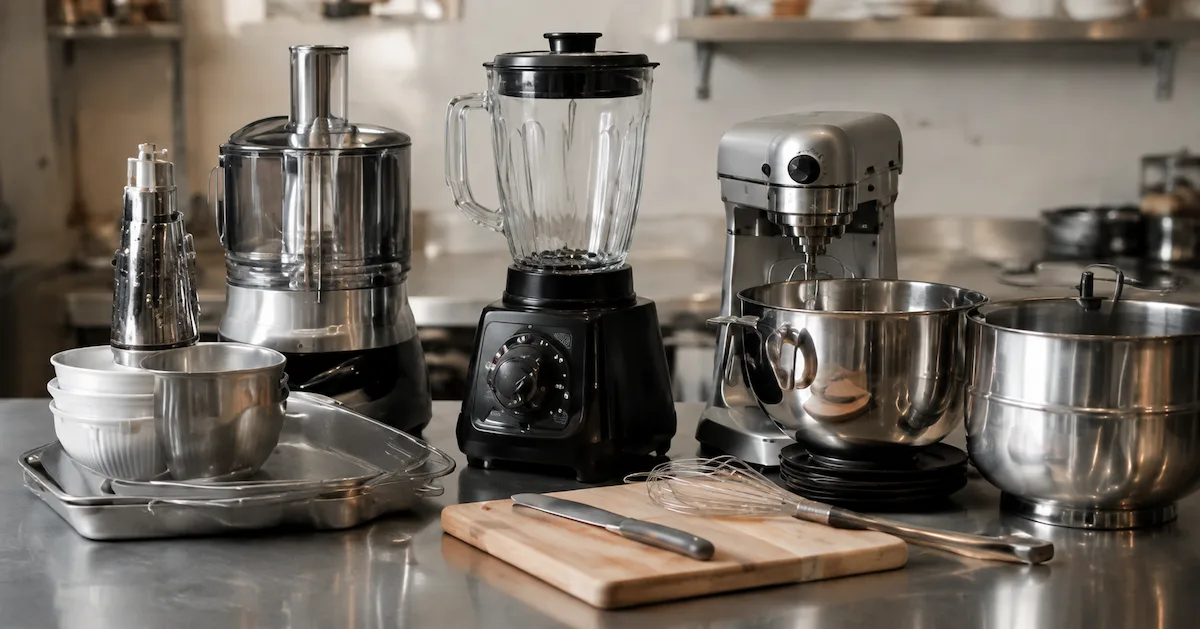
1. Choosing a kitchenware supplier for chain stores is really a control problem, not just a buying task 2. What chain buyers should expect from the supplier relationship 3. Quick reference: what to compare before you place a chain order 4. How the product mix affects sourcing decisions 5. What a good sourcing process looks like 6. Common mistakes chain buyers still make 7. Practical advice for negotiating with suppliers 8. FAQ for chain-store kitchenware sourcing 9. The next step is simple: build a supplier brief that matches the way your stores actually sell
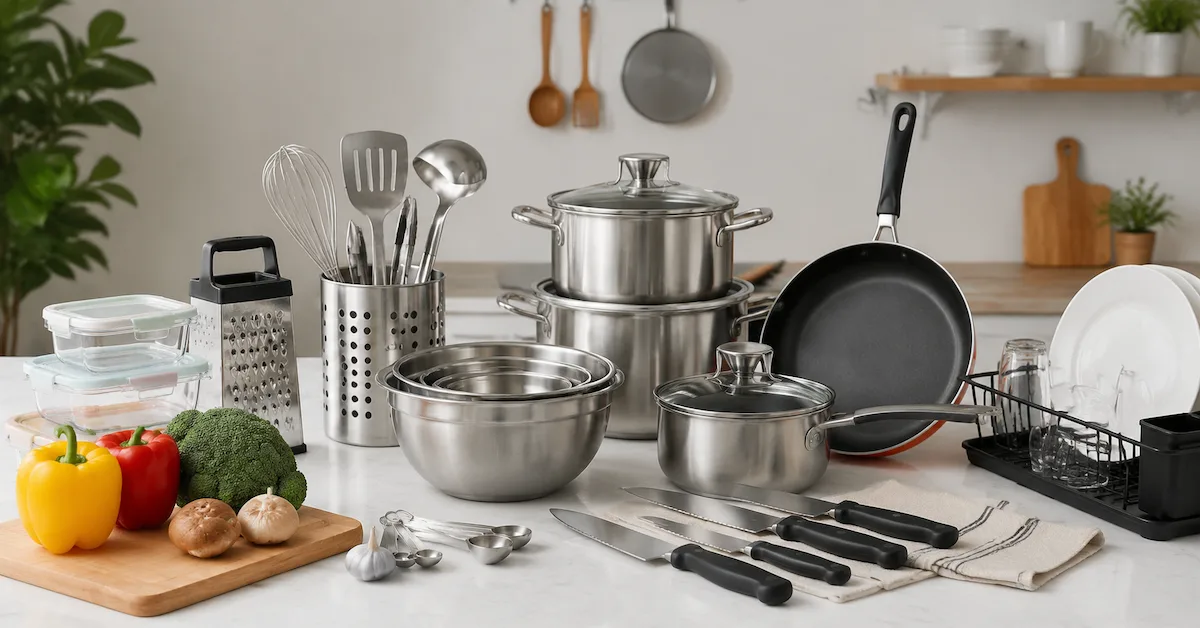
1. What this type of set tells a buyer 2. Quick buyer takeaways 3. Why chain stores care about construction, not just appearance 4. Manufacturing cues that help sourcing teams ask better questions 5. Selection criteria that matter more than catalog language 6. Common mistakes buyers make 7. How this set fits the commercial side of the market 8. FAQ for procurement teams 9. What to do next

1. Why kitchen tools deserve closer attention on Amazon 2. What buyers actually compare before they click “Add to Cart” 3. Material choices that change the sourcing conversation 4. A practical way to judge the best kitchen tools for Amazon 5. Kitchen tool product sourcing: what to ask before placing an order 6. Common mistakes sellers make in this category 7. How to build a cleaner listing story 8. FAQ for Amazon sellers 9. A sensible next step for sellers

1. Why this category looks simple and still causes problems 2. What the product image tells you before you ever ask for a sample 3. What Amazon sellers should care about first 4. A quick buyer lens for kitchen gadgets for sale 5. Selection criteria that matter more than style 6. Common sourcing mistakes that show up later in reviews 7. Practical buyer advice for product teams and sourcing managers 8. FAQ 9. A sensible next step
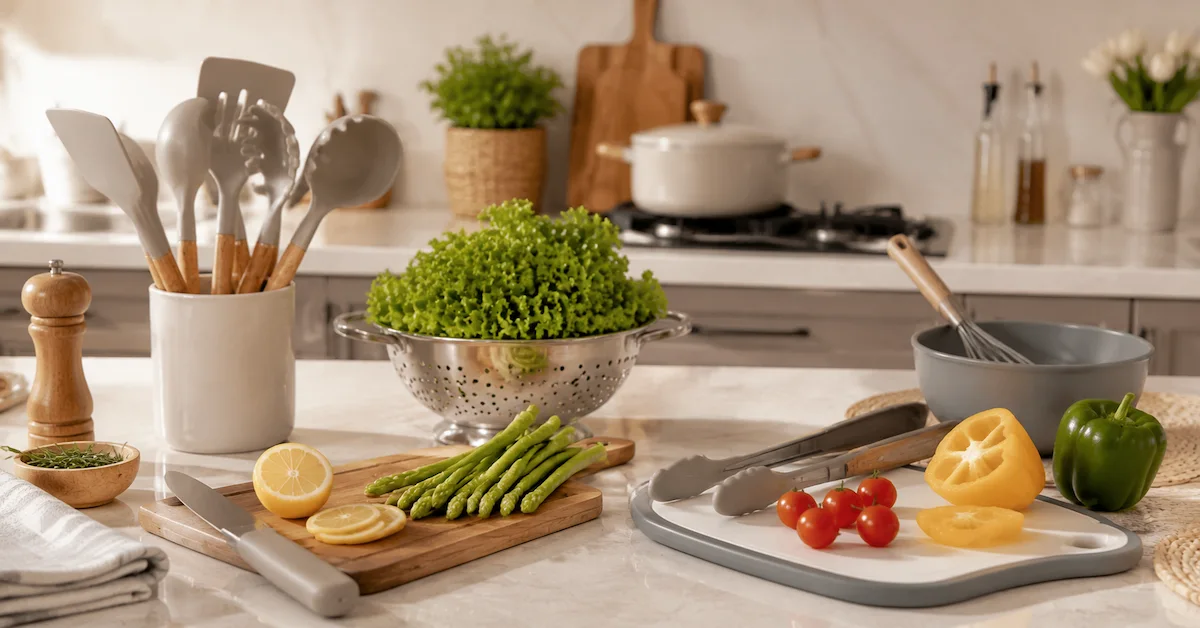
1. What makes this category attractive, and where sellers get tripped up 2. Quick takeaways for sourcing and listing 3. Reading the product properly before you source it 4. How to choose kitchen tools that fit Amazon demand 5. Common mistakes sellers make with kitchen tools 6. What a kitchen utensils supplier should be able to support 7. Practical buyer advice for Amazon sellers 8. FAQ 9. A sensible next step
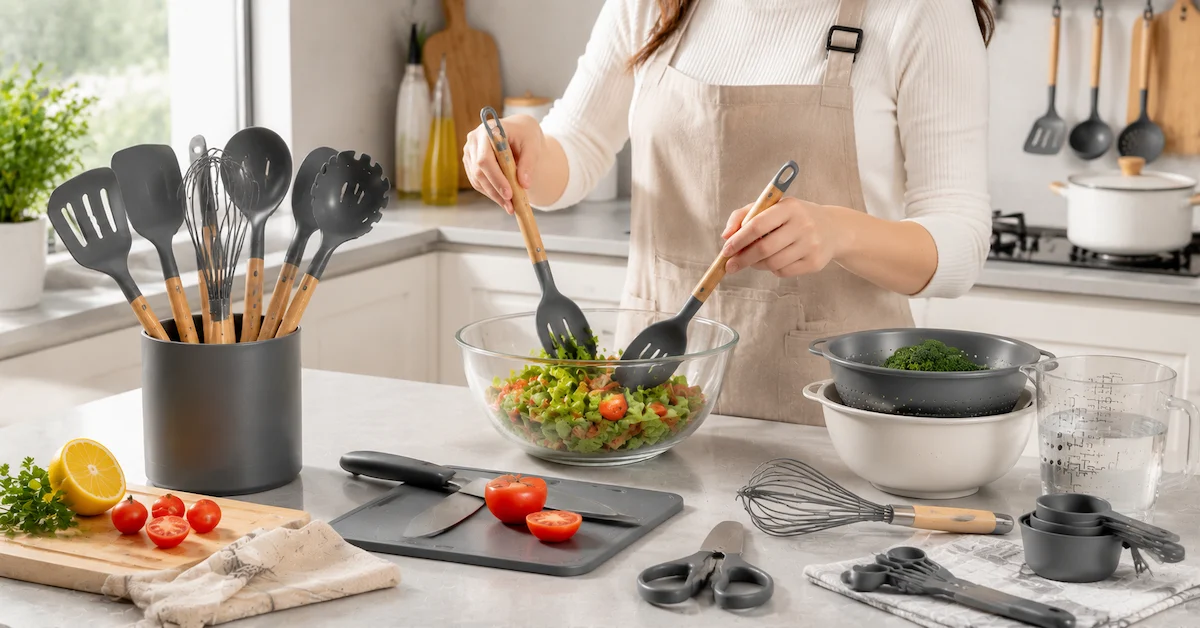
A practical sourcing guide for evaluating ODM kitchen tools manufacturers, comparing utensil set options, confirming materials, and preparing private-label packaging questions.
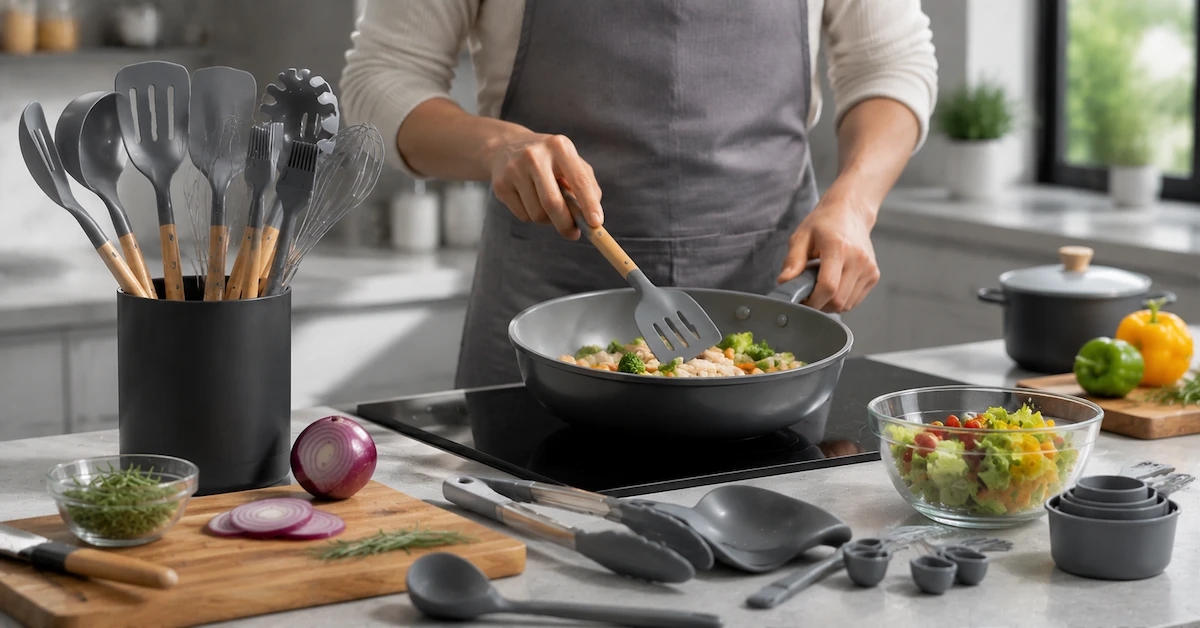
A practical sourcing guide for wholesale buyers, private-label teams, and retailers selecting custom-made kitchen tools with the right materials, assortment, branding, and supplier questions.
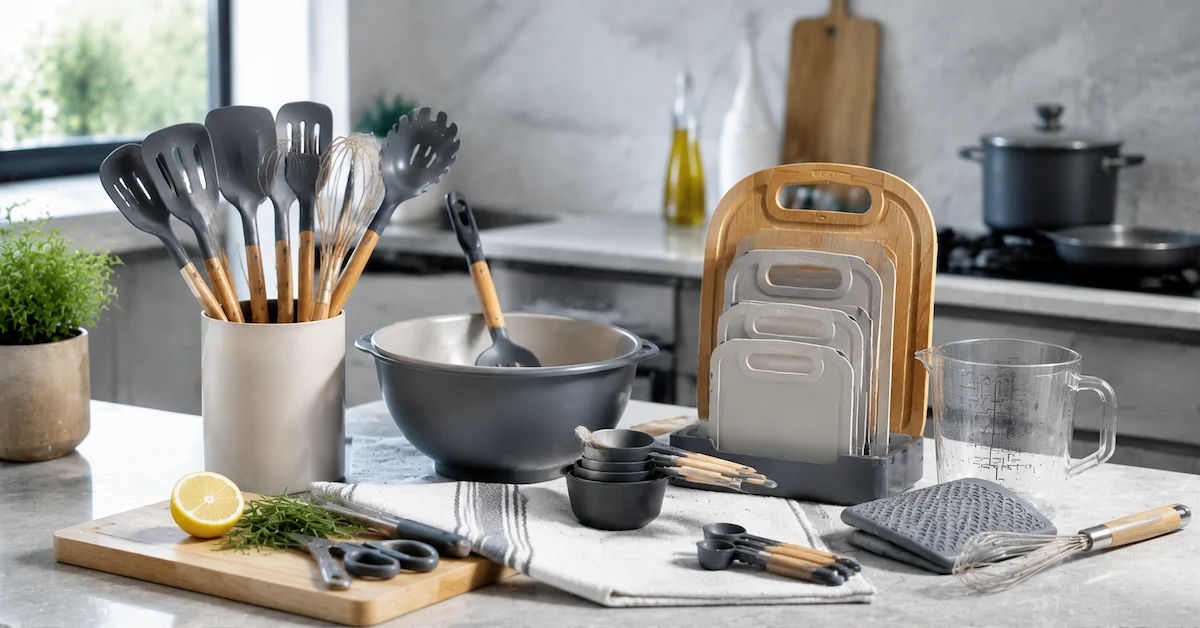
A practical sourcing guide for buyers planning coordinated custom kitchen tool sets, including materials, OEM briefs, supplier checks, sample review, and common mistakes.
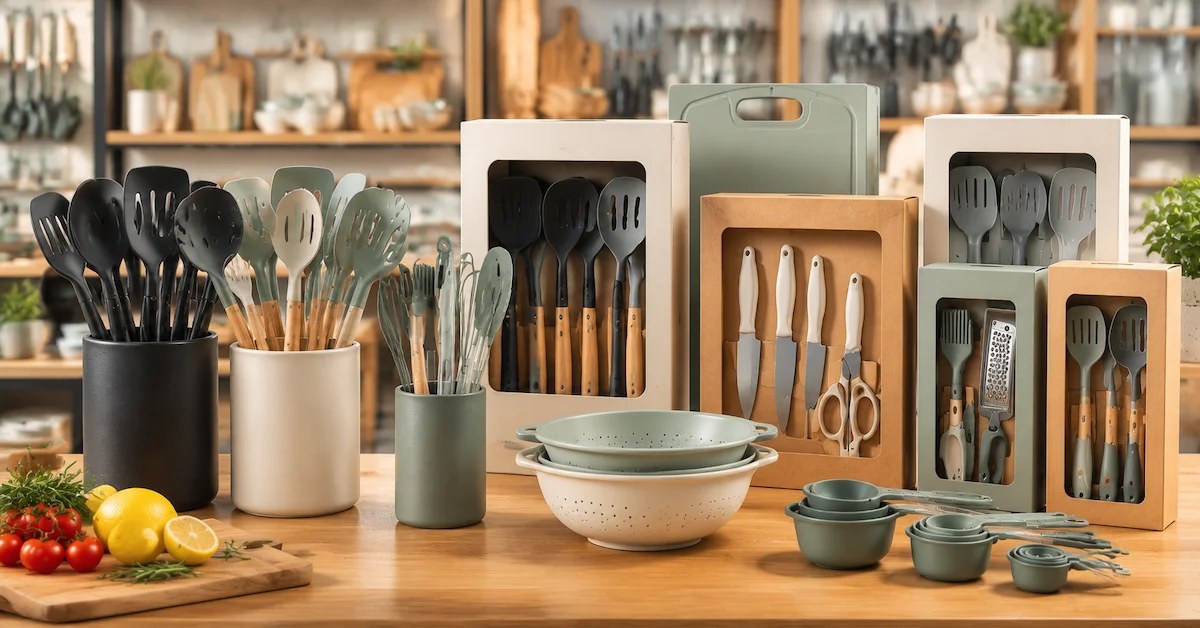
A practical sourcing guide for buyers planning private label kitchen tools, from assortment structure and packaging to supplier questions and sample review.

A practical sourcing guide for buyers developing private label kitchen tools, covering assortment planning, material questions, finish consistency, sampling, supplier evaluation, and common mistakes.
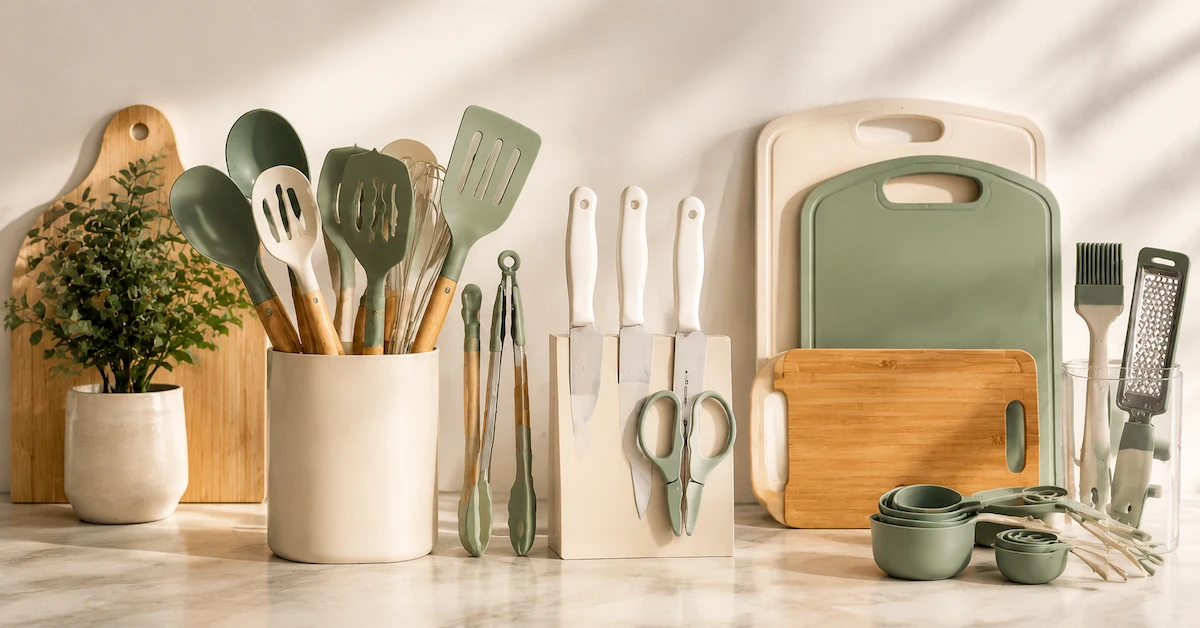
A practical sourcing guide for retail and wholesale buyers evaluating private label kitchen tools, bundled utensil sets, mixed materials, packaging, and supplier questions.