

OEM & Private Label Kitchenware
Home
OEM & Private Label Kitchenware
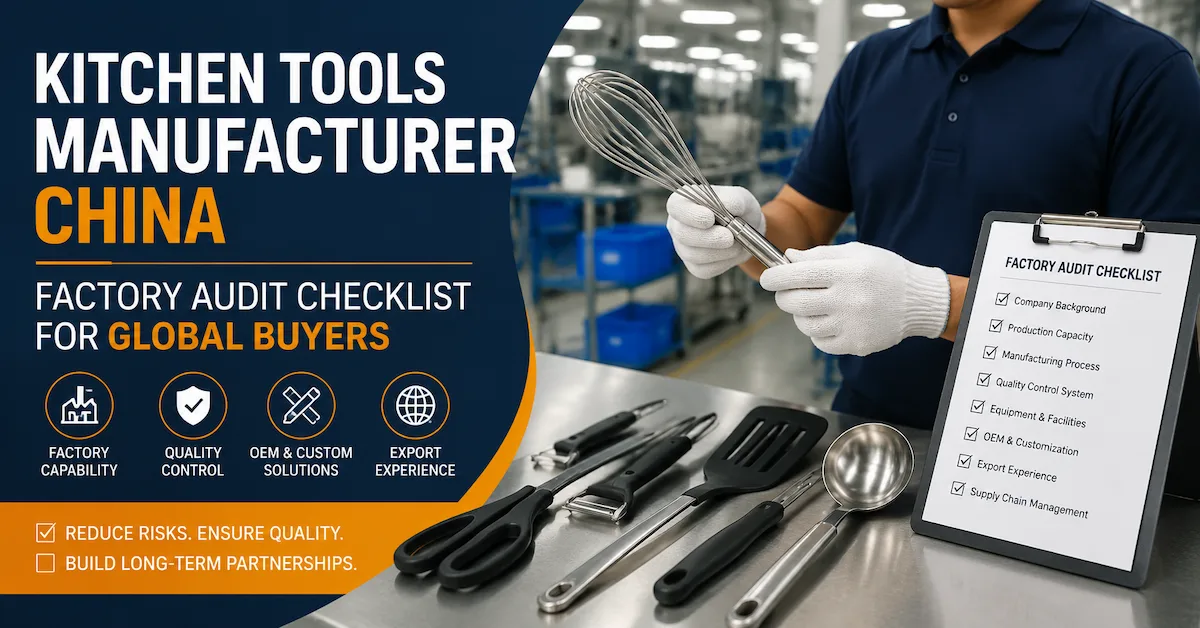
Choosing a kitchen tools manufacturer China partner requires careful factory evaluation before placing bulk orders. This guide explains how global buyers can audit manufacturing capability, quality systems, production processes, OEM experience, and supplier reliability to reduce sourcing risks.
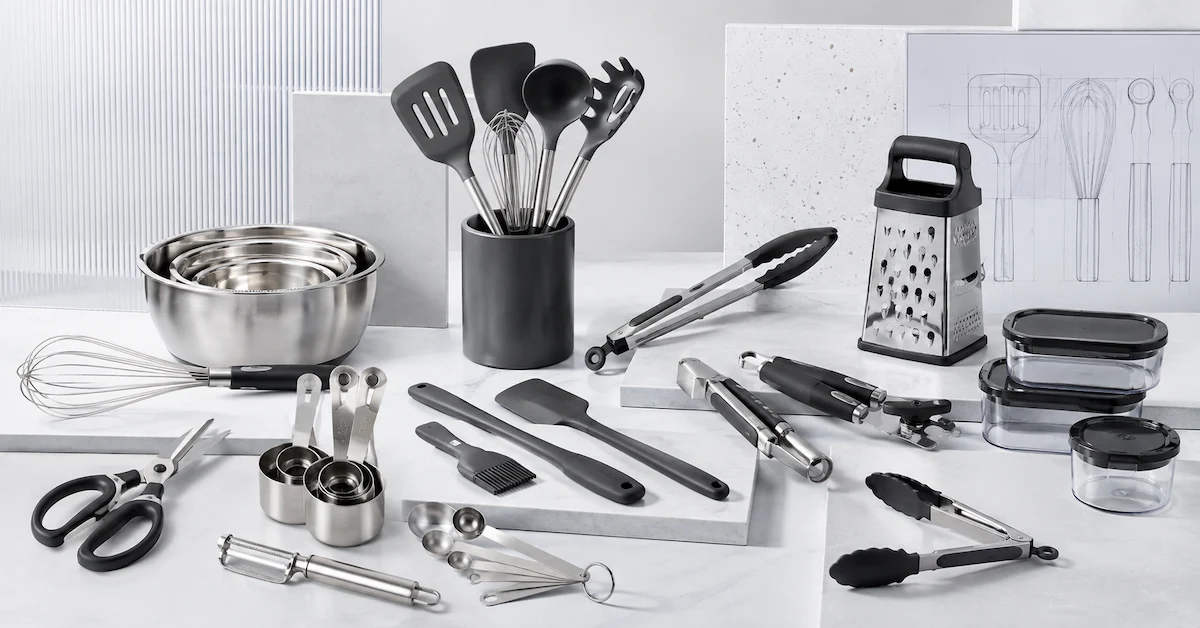
Working with a kitchen tools manufacturer China allows brands and retailers to develop customized kitchenware collections with better product control, flexible production, and competitive market positioning. This guide explains how businesses can select products, develop private-label collections, optimize costs, and build long-term manufacturing partnerships in China.
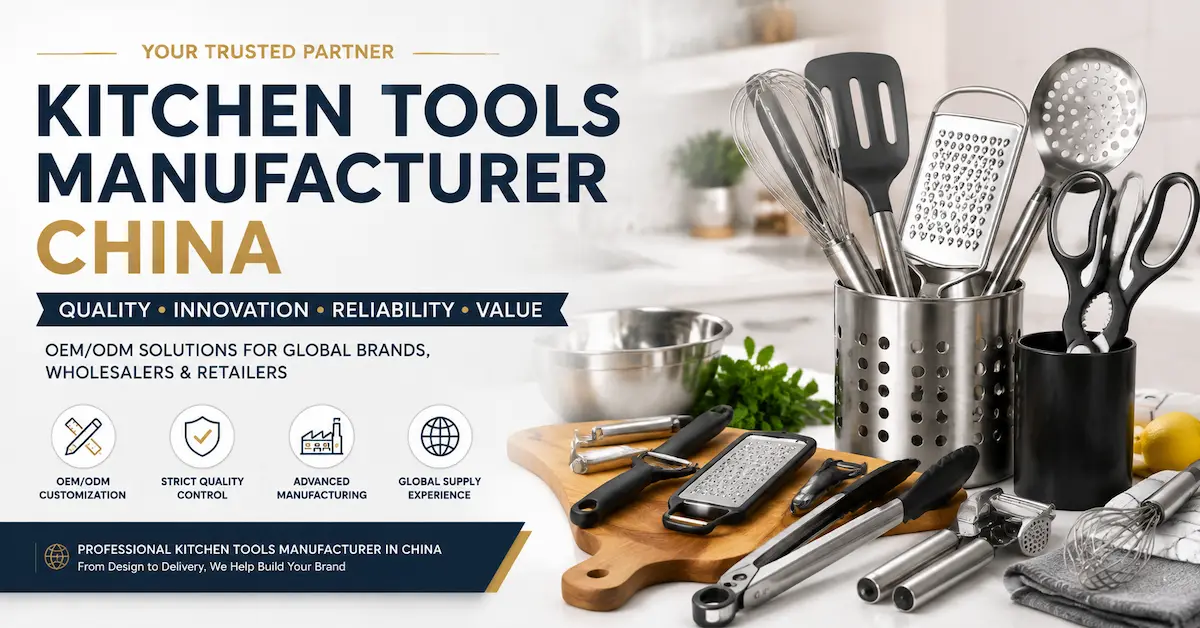
Finding the right kitchen tools manufacturer China partner requires more than comparing product catalogs and prices. This guide explains how importers, retailers, distributors, and private-label brands can evaluate manufacturing capability, product quality, OEM services, customization options, factory reliability, and long-term supply potential.
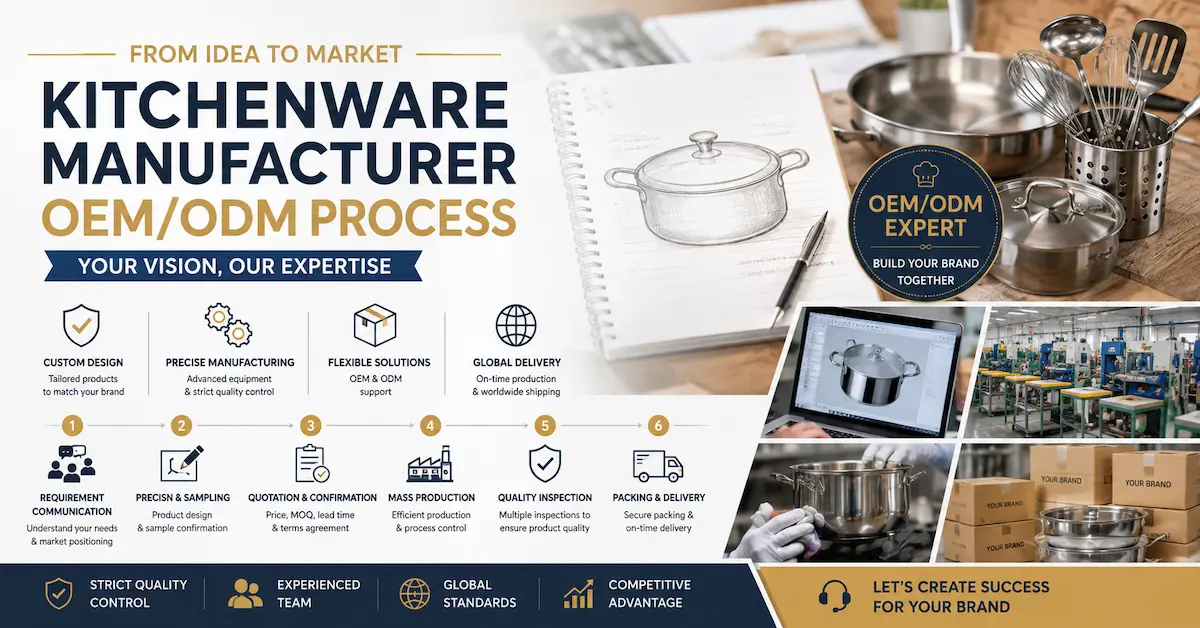
A practical OEM/ODM workflow for turning a kitchenware product brief into a controlled sample, production batch, inspection plan, packaging release and repeat order.
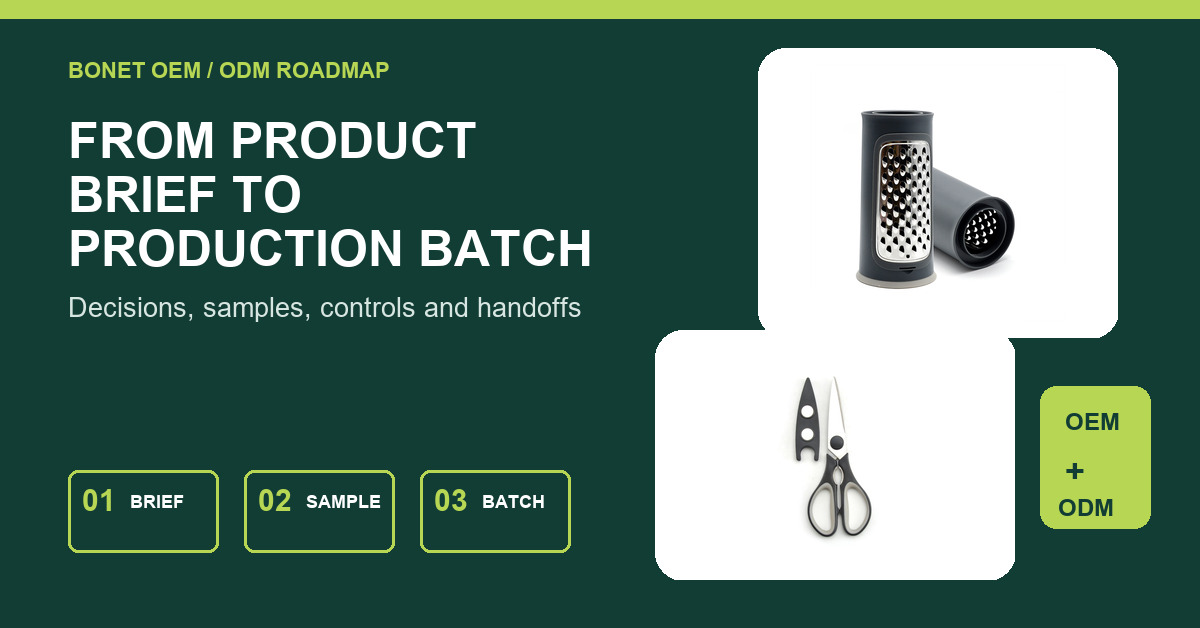
Follow a practical OEM kitchenware process from brief and feasibility through sampling, costing, quality control, packaging, shipment, and repeat orders with a China manufacturer.
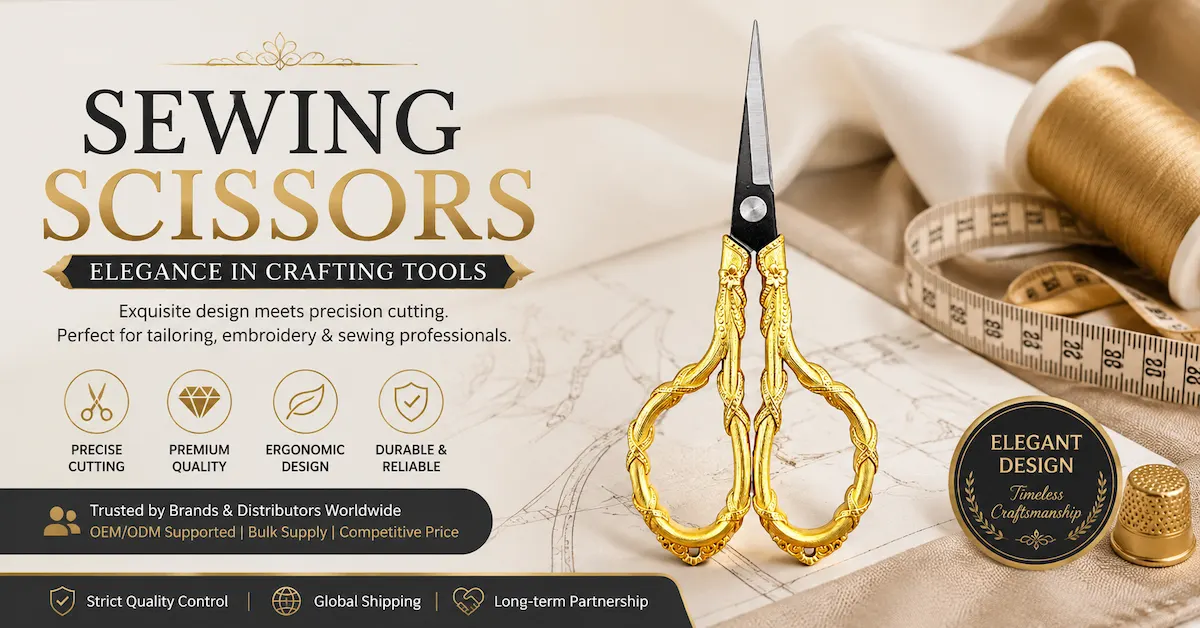
Choosing the right tailor scissors manufacturer requires more than comparing blade size and unit price. This guide helps sewing brands, garment-tool distributors, retailers, and private-label buyers evaluate cutting performance, blade materials, ergonomics, manufacturing processes, quality control, OEM options, MOQ, packaging, and repeat-order reliability.