



oem kitchenware
Home
oem kitchenware
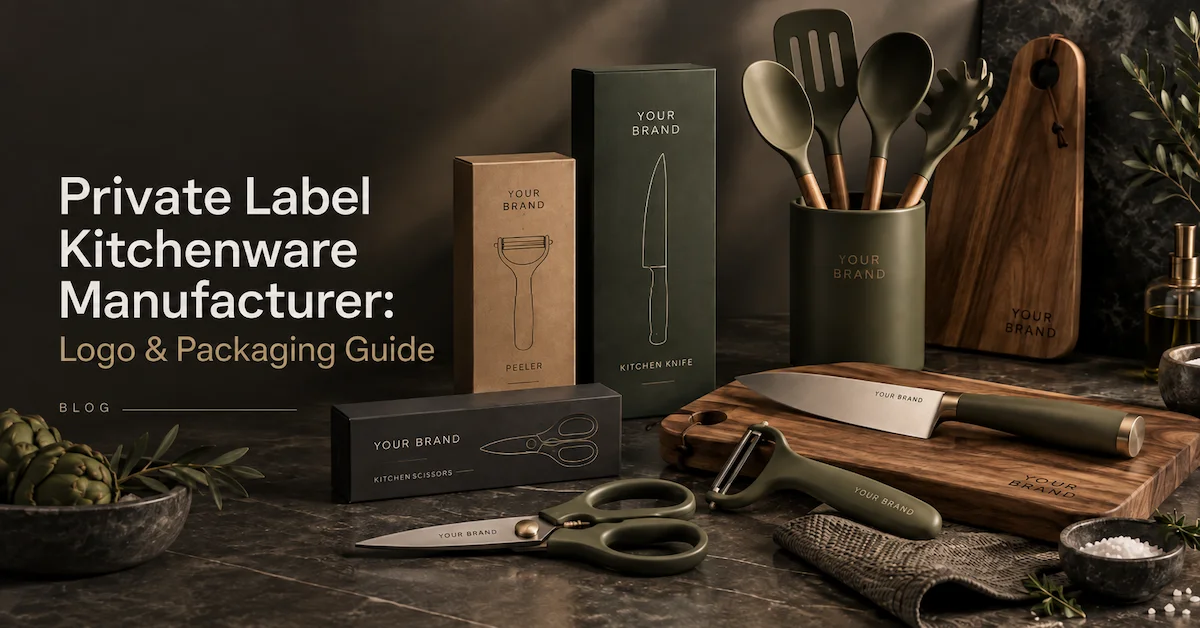
Choose a private label kitchenware manufacturer with a practical framework for product fit, custom logos, packaging, sampling, quality control, and repeat orders.
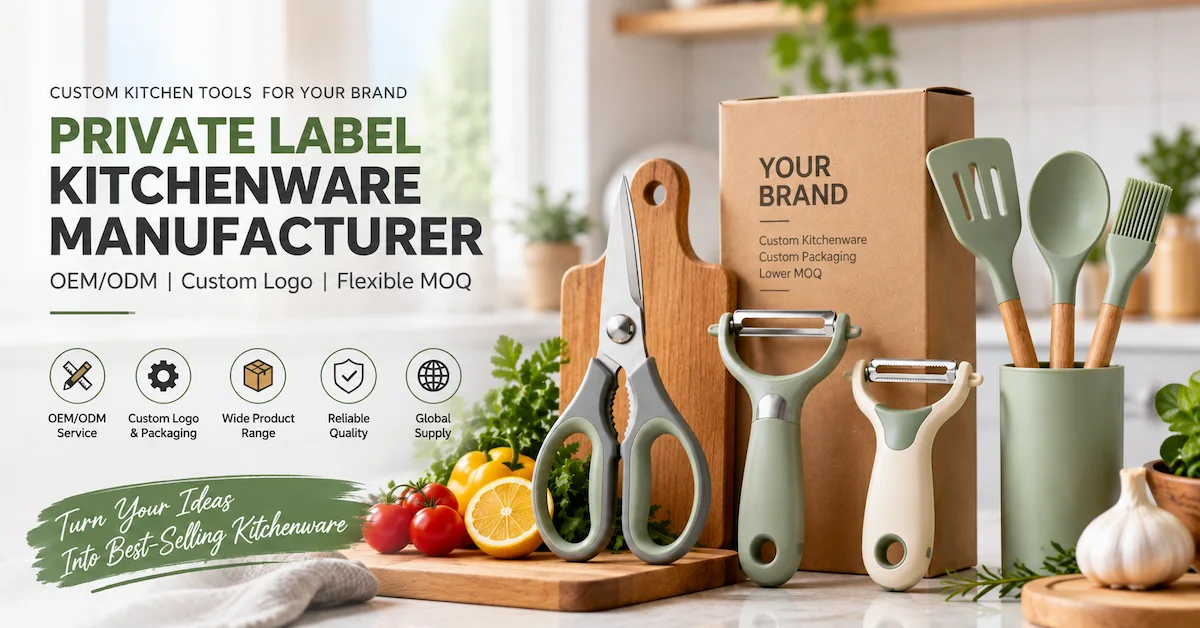
Choosing a private label kitchenware manufacturer means deciding how products, branding and packaging will work as one retail range. Using BONET catalog examples, this guide helps brand owners, importers and retail buyers compare models, control order complexity and prepare a first collection for repeat orders.
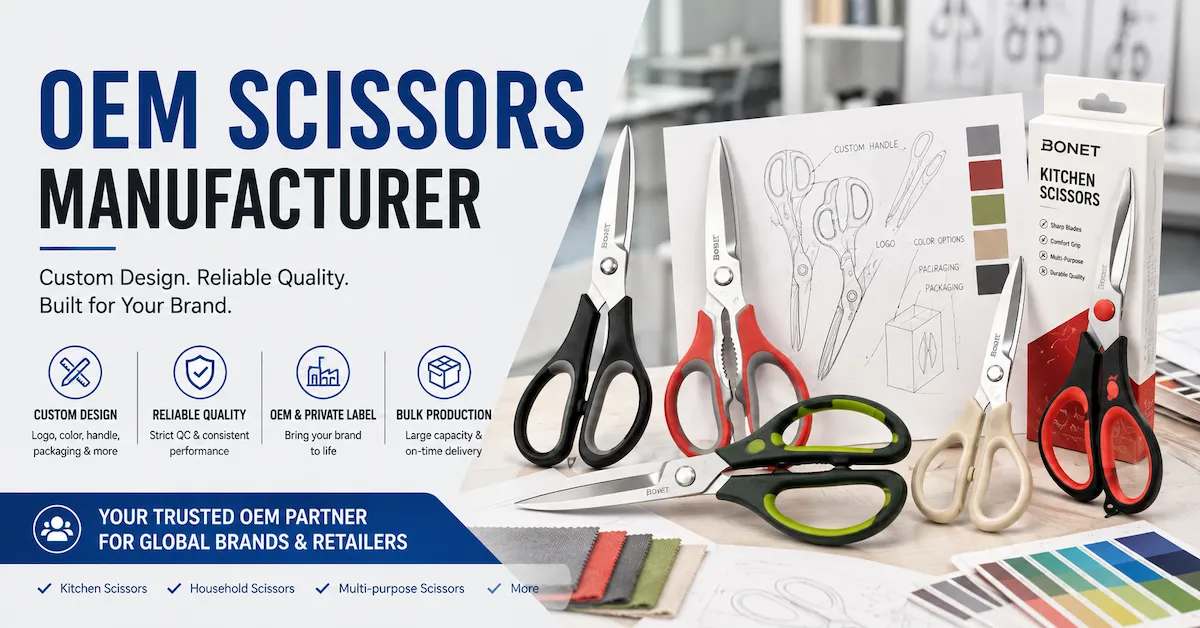
Choosing the right OEM scissors manufacturer can determine whether a custom scissors project moves smoothly from concept and sampling to repeat production. This guide helps brands, retailers, importers, and distributors evaluate product development, materials, manufacturing processes, quality control, customization, packaging, MOQ, lead time, and RFQ requirements before selecting an OEM partner.
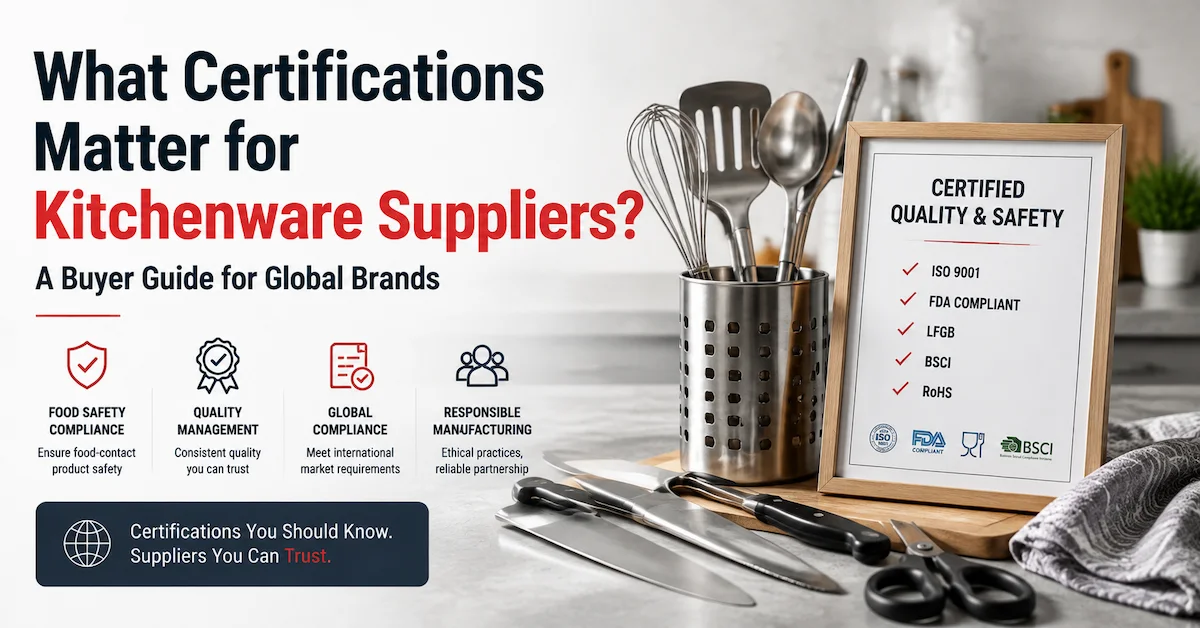
Choosing reliable kitchenware suppliers requires more than comparing prices and product designs. This buyer guide explains kitchenware supplier certifications, food safety requirements, quality management standards, and supplier evaluation methods to help global brands reduce sourcing risks.
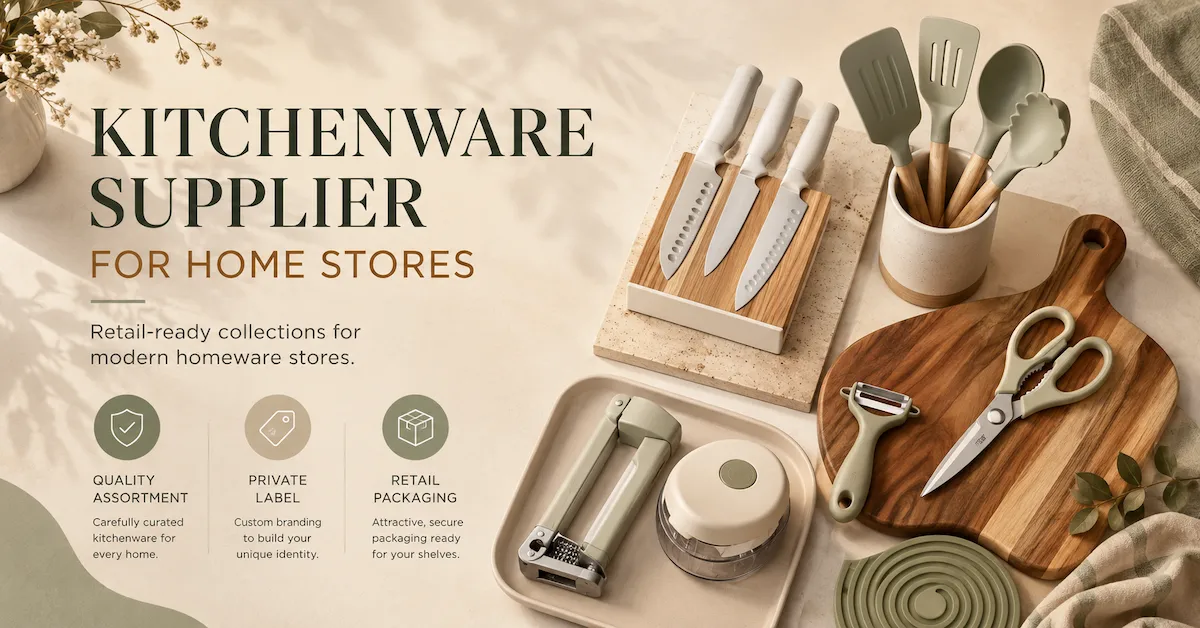
Choosing the right kitchenware supplier for home stores requires more than selecting products at competitive prices. This guide explains how retail buyers can evaluate product assortment, manufacturing capability, customization options, packaging solutions, and quality control to build a successful kitchenware business.
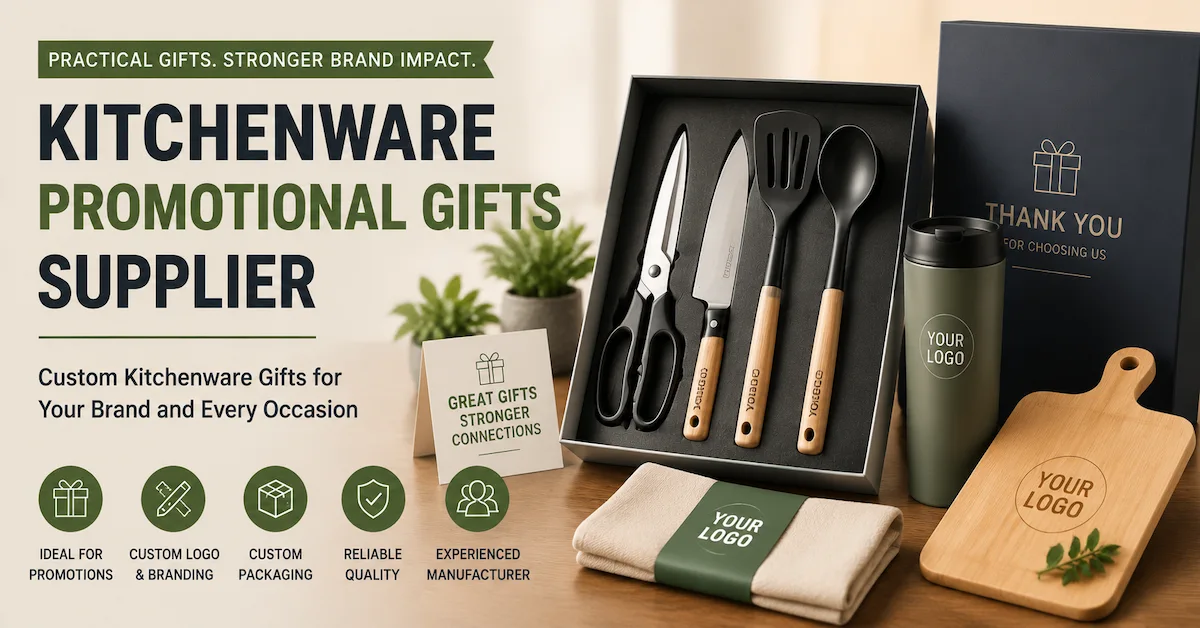
Choosing the right kitchenware promotional gifts supplier is essential for companies planning branded giveaways, corporate gifts, and marketing campaigns. This guide explains how buyers can evaluate product selection, customization options, packaging, manufacturing capability, and quality control to create valuable promotional kitchenware programs.
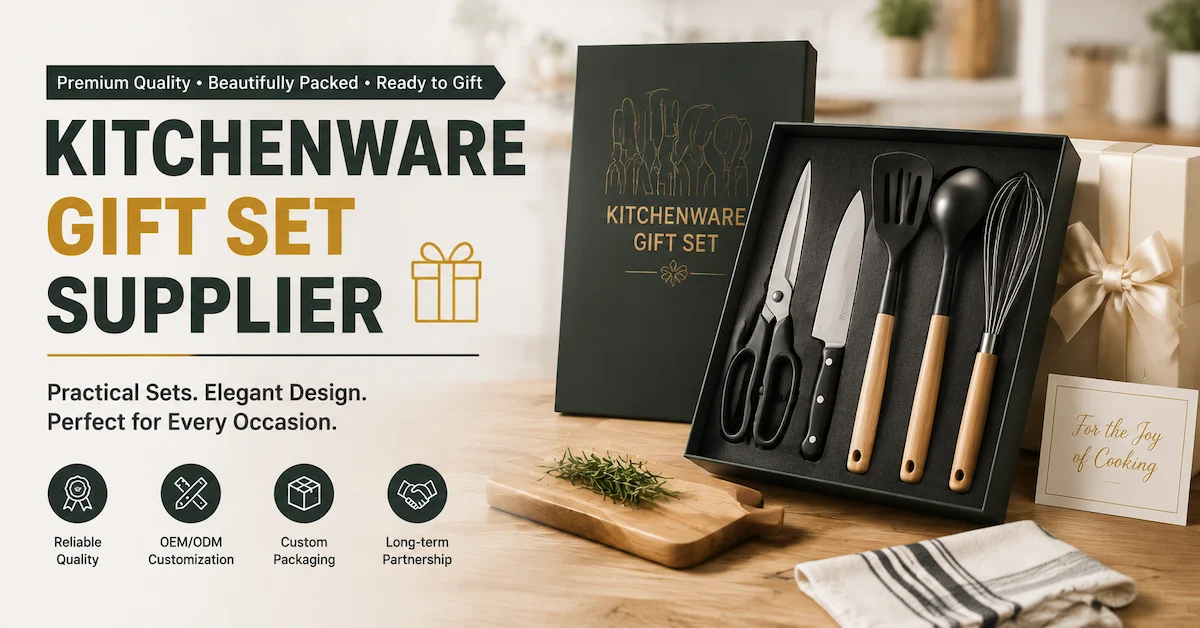
Choosing the right kitchenware gift set supplier requires careful evaluation of product design, materials, packaging, customization, and manufacturing capability. This guide helps retailers, importers, distributors, and private label brands select reliable suppliers for attractive and market-ready kitchen gift sets.
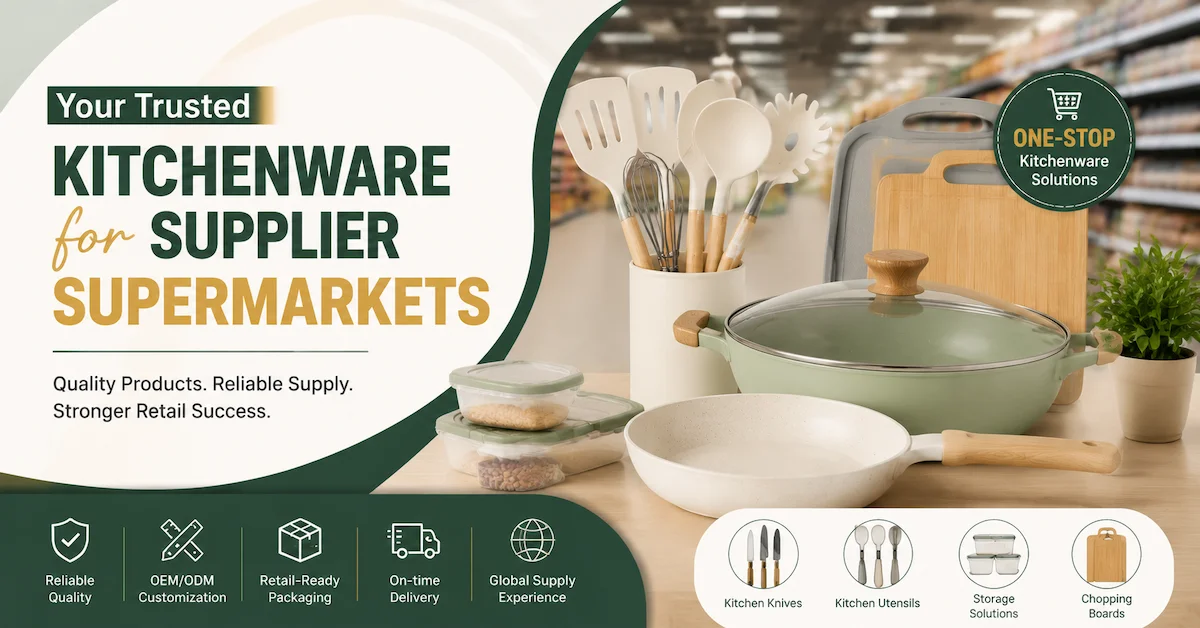
Choosing the right kitchenware supplier for supermarkets requires more than comparing product prices. This guide explains how supermarket buyers can evaluate product range, manufacturing capability, quality control, packaging, customization options, and supplier reliability to build competitive kitchenware retail programs.

1. What chain-store buyers are really solving 2. Typical cookware and equipment used in high-volume kitchens 3. How to evaluate a supplier before you place chain orders 4. Material and construction details that matter 5. Where supermarket and restaurant supply needs overlap 6. Common buying mistakes 7. What a practical procurement checklist should include 8. FAQ for chain-store procurement teams 9. Next step for buyers
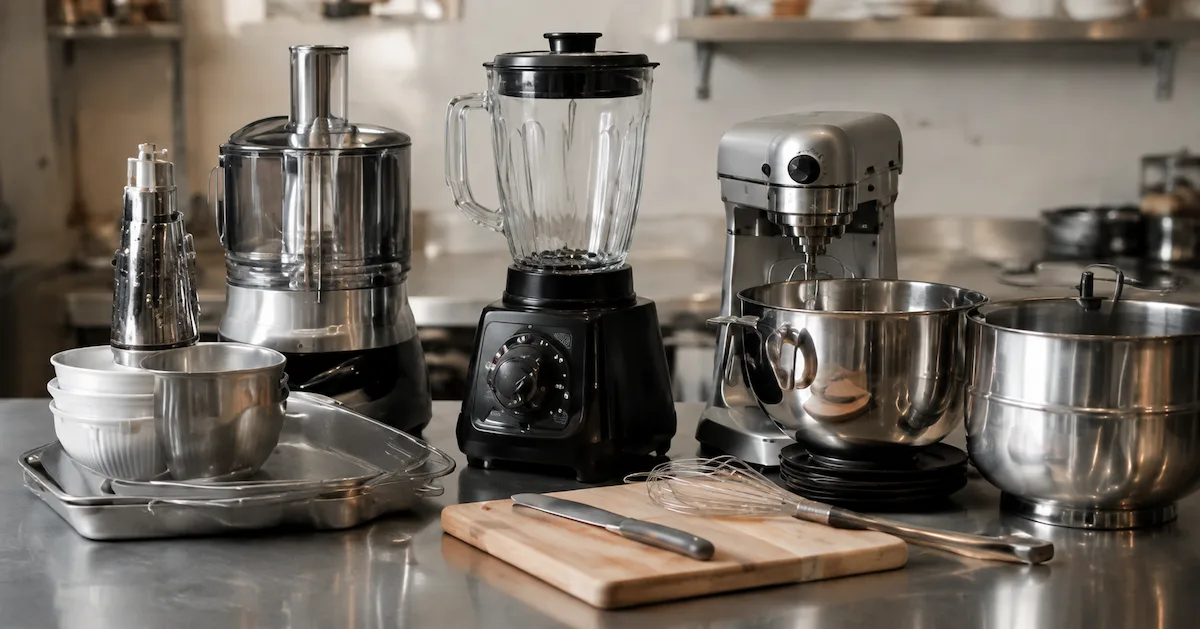
1. Choosing a kitchenware supplier for chain stores is really a control problem, not just a buying task 2. What chain buyers should expect from the supplier relationship 3. Quick reference: what to compare before you place a chain order 4. How the product mix affects sourcing decisions 5. What a good sourcing process looks like 6. Common mistakes chain buyers still make 7. Practical advice for negotiating with suppliers 8. FAQ for chain-store kitchenware sourcing 9. The next step is simple: build a supplier brief that matches the way your stores actually sell
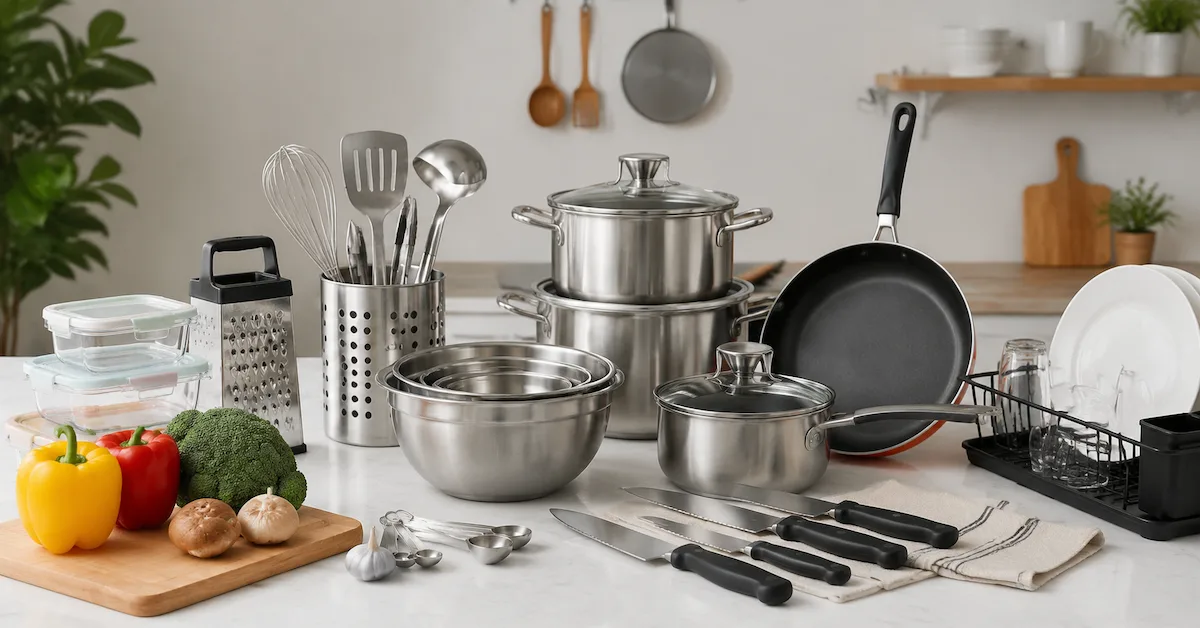
1. What this type of set tells a buyer 2. Quick buyer takeaways 3. Why chain stores care about construction, not just appearance 4. Manufacturing cues that help sourcing teams ask better questions 5. Selection criteria that matter more than catalog language 6. Common mistakes buyers make 7. How this set fits the commercial side of the market 8. FAQ for procurement teams 9. What to do next